Flying After Diving: Safety Guidelines Every Diver Should Know
Flying after diving is one of those questions that comes up on every dive trip, and for good reason. The interaction between residual nitrogen in your tissues and the reduced cabin pressure of an aircraft creates a real risk of decompression sickness (DCS). This article covers the essential flying after diving safety guidelines every recreational diver and dive traveler should know. Weâll walk through surface intervals, risk factors, planning logistics, and what to do if something goes wrong. These recommendations are grounded in the research and consensus of organizations like DAN (Divers Alert Network) and PADI. Ignoring these guidelines can turn a great trip into a medical emergency, so understanding the “why” behind each rule is just as important as the rule itself.
[IMAGE_1]
Why Flying After Diving Carries Risk
When you dive, your body absorbs nitrogen from the compressed air you breathe. The deeper and longer you stay, the more nitrogen dissolves into your tissues. Your body off-gasses this nitrogen naturally over time after you surface, but itâs not instantaneous. When you fly, the cabin is typically pressurized to an altitude equivalent of around 6,000 to 8,000 feet. At that reduced atmospheric pressure, the nitrogen in your tissues can come out of solution too quickly, forming bubbles. Those bubbles are what cause decompression sickness.
This isnât always immediate. You might feel fine on the boat, check in at the airport, and board your flight. Symptoms can appear during the flight or hours after you landâsometimes even the next day. The classic scenario is a diver who completes multiple dives, feels well, takes a short surface interval, flies home, and wakes up with joint pain they can’t explain. Thatâs DCS. The risk is real, and itâs entirely avoidable with proper planning.
The Standard Surface Interval Recommendations
The most widely accepted guidelines come from DAN, PADI, and other dive training agencies. Hereâs the simple breakdown:
- Single no-decompression dive: A minimum 12-hour surface interval before flying.
- Multiple dives over multiple days: A minimum 18-hour surface interval.
- Dives requiring mandatory decompression stops: A minimum 24-hour surface interval, and longer is strongly recommended.
These are the minima. They are not guarantees that youâll be safe. DAN, for instance, has long advocated for a 24-hour surface interval after any diving, because the research shows that even 12 hours may not be sufficient for some divers. Your personal risk depends on dive profile, age, fitness, hydration, and other factors. If youâre pushing the limitsâdeep dives, repetitive days, cold waterâyou should lean toward the longer end of the range. Travelers who need to track their surface intervals precisely may benefit from a dive computer with a surface interval alarm to provide a helpful countdown.
One practical note: these guidelines apply to modern aircraft cabin pressurization. If youâre flying in an unpressurized aircraft (common in small island hopping planes), the recommendation jumps to 24â48 hours because the effective altitude is much higher.
Factors That Can Increase Your Risk
A diver who did one shallow 40-foot dive in warm water for 30 minutes and then rested for 12 hours is in a very different position than a diver who did a week of repetitive deep dives, flew out of a cold water site, and didnât stay hydrated. The risk profile changes significantly with these variables:
- Depth and bottom time: Deeper dives and longer bottom times increase nitrogen load.
- Repetitive dives: Your tissues accumulate nitrogen over consecutive days. Surface intervals between dives help, but residual nitrogen carries over.
- Cold water: Cold temperatures impair circulation and slow off-gassing. You absorb more nitrogen because your body directs blood away from extremities.
- Dehydration: Diving is dehydrating due to dry compressed air and physical exertion. Dehydration makes your blood less efficient at transporting dissolved nitrogen away from tissues.
- Strenuous activity: Heavy physical exertion before or after diving can trigger bubble formation even without flying. Lifting gear, carrying bags, or rushing through an airport compounds the risk.
My recommendation: log your dives and use a dive computer that records depth and time accurately. Be honest with yourself about how aggressive your diving was. If youâre feeling tired, sore, or dehydrated after a dive trip, youâre not in an ideal state for a quick turnaround before a flight. For those who want to stay well-hydrated during a dive trip, a large insulated water bottle can make it easier to drink enough fluids between dives.
[IMAGE_2]
What Happens If You Fly Too Soon?
Decompression sickness presents in a wide spectrum. Mild cases might involve only joint pain (commonly the shoulders, elbows, or knees) or a rash on the skin. Skin mottling (cutis marmorata) is another early sign. More serious symptoms include chest pain, difficulty breathing, numbness, tingling, weakness, dizziness, and confusion. In severe cases, neurological deficits can occurâparalysis, loss of bladder control, or altered consciousness.
Symptoms can also appear during the flight itself. The decreased cabin pressure can be the trigger, and you might find yourself landing with pain that wasn’t there at departure. Treatment depends on severity. Mild cases sometimes resolve with oxygen and rest, but any symptom suspected to be DCS deserves medical evaluation. Serious cases require recompression in a hyperbaric chamber, which is why knowing where the nearest facility is at your destination matters. I’m not trying to scare youâthe vast majority of divers who follow guidelines will never encounter DCSâbut ignoring the rules can turn a minor oversight into a medical evacuation.
Pre-Flight Planning: What to Do Before You Book
Smart planning starts before you even leave home. The most reliable strategy is to schedule your last dive day at least 24 hours before your flight. This gives you a comfortable buffer. If you’re planning a dive trip with multiple days of diving, book your return flight so that you’re not diving on the day you travel.
Here are a few logistical moves that make a difference:
- Build buffer days into your itinerary. If you’re traveling for a week, aim to dive the first five days and leave yourself at least 24 hours of surface time before departure. You can use the last day for sightseeing or simply relaxing.
- Choose return flights later in the day. If you have a 24-hour surface interval, you want it to fit your sleep and activity schedule. An early morning flight after a full day of diving the day before cuts into your safe window.
- Book accommodation with flexible cancellation. If conditions delay your diving (bad weather, sea sickness, equipment issues), you may need to reschedule a dive day. Having flexible lodging gives you more options.
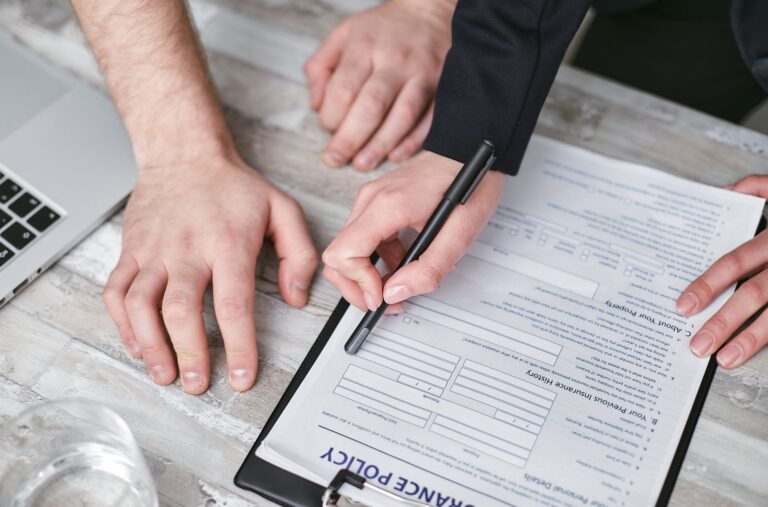
- Consider travel insurance that covers DCS. This is a practical financial safeguard. Decompression illness can require expensive treatment, especially if hyperbaric chamber therapy is needed. A specialized dive insurance policy covers this. Look for plans that explicitly include dive-related medical evacuation and chamber treatment.
This might seem like extra effort, but it becomes second nature once you build the habit. The peace of mind alone is worth it.
Comparing PADI, DAN, and BSAC Guidelines
Different training organizations offer slightly different recommendations, and understanding these differences helps you decide which standard to follow. Here’s a side-by-side summary:
| Source | Single No-Deco Dive | Multiple Dives | Deco Dives |
|---|---|---|---|
| PADI | 12 hours | 18 hours | 24 hours |
| DAN | 24 hours (recommended after any dive) | 24 hours | 24+ hours |
| BSAC | 12 hours (or 24 for repetitive/deep) | 24 hours | 24â48 hours |
The reason these vary comes down to risk tolerance. PADI’s guidelines represent a minimum safe window that works for most recreational dives under normal conditions. DAN takes a more conservative stance because their medical data shows DCS can occur even after 12 hours, especially with repetitive deep dives or divers with underlying risk factors. BSAC falls somewhere in between, with a note that longer intervals are better for anything outside of a very simple dive.
For the average traveler, I recommend following DAN’s 24-hour recommendation whenever possible. It’s the safest approach and it simplifies planningâjust aim for a full day without diving before your flight. If you must cut closer, stick to the PADI minima, but understand you’re accepting a small additional risk. Check which agency issued your certification, but don’t let that be your only guide. Your safety is more important than sticking to a textbook number.
Common Mistakes Divers Make When Flying After Diving
Even experienced divers slip up. Here are the mistakes I see most often:
- Thinking a single dive is safe with only 10 hours. A 10-hour surface interval is not adequate, even for a shallow dive. The rule is 12 hours minimum. Cutting it close is not a clever hack.
- Relying solely on a dive computer to calculate pre-flight time. Dive computers are excellent for tracking no-deco limits underwater, but they cannot account for your personal physiology or other risk factors. Use the computer data as a log, not a green light. The time you spend above water between the last dive and flight is what matters, not the computer’s algorithm.
- Ignoring fatigue or dehydration before flying. Travel days are tiring. If you skipped sleep, didn’t drink enough water, or consumed alcohol the night before, your body’s ability to off-gas nitrogen is compromised. A 12-hour surface interval might not be enough if you’re not in good shape.
- Not accounting for the altitude of your home airport. If you’re flying out of a high-altitude city (like Quito or Denver), the effective altitude of the cabin is even higher, which increases risk. In these cases, lean toward the longer side of any recommendation.
Avoid these mistakes by treating each dive trip as a separate risk assessment. Just because you did it once without issue doesn’t mean it was safeâor that you should repeat the behavior.
How to Handle a Delayed Flight or Schedule Disruption
Travel doesn’t always go as planned. If your flight is delayed and you had a surface interval already in place, you should consider recalculating the risk. A delay of a few hours might put you closer to the edge if you were already cutting it tight, but it rarely increases risk. The bigger concern is when your flight is moved upâsay, you’re called to an earlier connection. In that case, you have less surface time than planned. Do not board the earlier flight if your surface interval will be under the minimum for your dive profile. Contact the airline and explain the medical reason. Most will accommodate a later flight once they understand the situation.
If you’re already at the airport and feeling any symptoms you suspect are DCS, do not board the plane. The increased altitude will only make things worse. Seek medical evaluation immediately. It’s better to miss a flight than to risk a serious medical event midair.
For planning purposes, always have a backup. Dive earlier in the trip, not on the last day. That way, if a flight is rescheduled, you still have a safe buffer. Carry a small waterproof dive logbook or use a dive app to track your surface interval so you can calculate it quickly if needed.
[IMAGE_3]
Is a 12-Hour Surface Interval Ever Enough?
Yes, under very specific circumstances. A 12-hour surface interval can be considered safe for a single no-decompression dive that was shallow (less than 30 feet) and short, with no complicating factors like cold water or heavy exertion. If you’re young, well-hydrated, in excellent physical condition, and you did one very easy dive, a 12-hour window is likely fine. But here’s the catch: most divers don’t fit that profile. Most trip itineraries involve multiple dives over several days, often in varying water temperatures. A 12-hour interval after a week of diving is not enough.
I’ll put it bluntly: if you have any doubt about your dive profile, wait 18 or 24 hours. The cost of waiting is one extra day in your destination. The cost of a mistake is decompression sickness. It’s not a tradeoff worth making. There is no award for flying sooner.
What to Do If You Suspect Decompression Sickness After Flying
If you land and feel something that might be DCSâjoint pain, skin changes, dizziness, chest tightness, numbnessâdo not ignore it. Here’s what to do step by step:
- Seek medical attention immediately. Call emergency services or go to the nearest hospital emergency room. Tell them you have been diving and flying, and you suspect DCS.
- Contact the DAN emergency hotline if you can. They have medical personnel who can advise you and direct you to the nearest hyperbaric facility. If you don’t have DAN insurance, they still offer emergency advice. You can call from anywhere in the world.
- Do not re-fly or go to high altitude. This includes driving over mountain passes. Even small altitude gains can worsen symptoms.
- Don’t self-diagnose. Mild symptoms can turn serious quickly. Early treatment, including oxygen and recompression, significantly improves outcomes.
One practical habit: before traveling, note down the phone number for DAN’s emergency line and save it in your phone. Also note the location of the nearest hyperbaric chamber at your destination. This is a simple precaution that takes two minutes. Considering dive insurance that covers hyperbaric treatment is also a sound decision. It’s not expensive compared to the cost of treatment without coverage.
Gear and Gadgets That Help You Plan Safer Dives
Technology can help you stay within safe parameters. Not required, but useful:
- Dive computers with surface interval alarms. Many modern dive computers let you set a pre-flight countdown timer. After your last dive, the computer shows a “no fly” time. This is a reliable guide, but as noted earlier, trust your judgment over the computer’s algorithm.
- Smartwatch dive apps. Some smartwatches (like the Garmin Descent series or Apple Watch Ultra with dive software) log dives and calculate surface intervals automatically. They’re convenient for tracking.
- Dive logbooks. A simple waterproof notebook or a digital logbook like Subsurface helps you record depth, time, and repetitive dives. It’s not a replacement for a computer, but it gives you a backup record.
These are planning tools, not replacements for good judgment. A dive computer cannot tell you whether you’re dehydrated. Use gear as a support system, not a crutch.
Final Thoughts: Building a Safer Dive Travel Routine
The core of safe dive travel is planning backward from your flight. Decide how long you want your surface interval to be, then structure your last dive day around that deadline. A 24-hour interval is the gold standard. It’s simple to remember, easy to plan for, and gives you a generous safety margin. If you follow that rule, you eliminate the risk of flying-related DCS almost entirely.
Beyond the rule itself, know your personal risk factors. Stay hydrated, avoid alcohol before flying, don’t rush your last dive, and never trade safety for convenience. Share these guidelines with your dive buddiesâa good team keeps everyone accountable. Make your next dive trip your safest yet.