Freediving Medical Requirements: Health Checks and Risk Factors
Introduction
If you’re ready to book a freediving course or start formal training, the first practical step is understanding the freediving medical requirements. This isn’t a formality you can rush through. It’s a genuine safety checkpoint that protects you from risks most people never consider before holding their breath underwater.
This article covers what health checks you need, which risk factors matter most, and how to get proper clearance without wasting time or money. Whether you’re booking a beginner course or advancing to deeper disciplines, getting the right medical sign-off is essential. Let’s get into what that actually involves.
[IMAGE_1]
Why Freediving Has Specific Medical Requirements
Freediving puts unique stress on your body that scuba diving doesn’t. The biggest difference is breath-hold physiology. When you hold your breath under pressure, your body goes through significant changes: blood shift, bradycardia, and increasing carbon dioxide levels. These are natural responses, but they can become dangerous if you have underlying medical conditions.
A standard dive medical designed for scuba diving focuses heavily on decompression sickness, barotrauma, and oxygen toxicity. Freediving medical requirements shift that focus. The main concerns are hypoxia, blackout, lung squeeze, and cardiac strain during intense breath-holds. Pulmonary function becomes critical because your lungs have to handle repeated compression and expansion at depth. Your cardiovascular system also needs to tolerate rapid changes in heart rate and blood pressure without issue.
Another key difference is equalization. Freedivers equalize more often and often more aggressively than scuba divers. Ear, nose, and throat health isn’t optional here. If you have chronic sinus issues, previous ear surgeries, or difficulty clearing pressure, a standard checkup won’t cut it.
This is why general practitioners who rarely see divers may not know what to look for. You need someone who understands freediving specifically, not just recreational scuba.
Key Health Checks Required for Freediving Medical Clearance
A proper freediving medical clearance typically includes several targeted health checks. These aren’t the same as a general physical. Here’s what you should expect:
- Pulmonary function test (spirometry): This measures lung capacity and airflow. It’s the single most important test for freediving because it identifies conditions like asthma, COPD, or reduced lung volume that increase blackout and lung squeeze risk.
- Cardiovascular evaluation: Your resting heart rate, blood pressure, and heart rhythm are checked. An ECG may be required if you have any history of heart issues or palpitations. Cardiac abnormalities are a leading cause of blackout and cardiac arrest during breath-hold diving.
- Ear, nose, and throat exam: The doctor will check your eardrums, nasal passages, and sinuses for blockages, infections, or structural issues. If you can’t equalize cleanly, you can’t dive safely. This exam often includes a simple clearing test to see how you handle pressure changes. Travelers who experience frequent ear discomfort may want to bring their own ear equalization aid to discuss with the doctor.
- Neurological basics: A brief check of reflexes, coordination, and vision. This is less about freediving specifics and more about ruling out conditions that could cause sudden loss of consciousness or disorientation underwater.
- General health questionnaire: This covers past surgeries, medications, allergies, and lifestyle factors like smoking or heavy drinking. Be honest here. Hiding something wastes everyone’s time and puts you at risk.
Some clinics may also include oxygen saturation monitoring or a basic stress test if you have borderline results. None of these checks are painful or time-consuming. Expect the whole process to take between 30 and 60 minutes.
Risk Factors That Increase the Need for Medical Evaluation
If you have any of the following risk factors, you can’t afford to skip a thorough freediving medical evaluation. These conditions dramatically increase the danger of breath-hold diving:
- History of lung issues: Asthma, pneumothorax (collapsed lung), lung infections, or any condition that affects your airways. Even mild asthma that is well controlled can cause trouble when you’re holding your breath under pressure. A handheld spirometer for home monitoring can be useful for freedivers wanting to track lung function between appointments.
- Heart conditions: Arrhythmias, valve problems, high blood pressure, or a history of heart attack. The cardiac strain of freediving is real, and underlying issues can trigger serious events at depth or during ascent.
- Epilepsy or seizure disorders: A seizure underwater is a drowning event. Even if you’re well controlled on medication, the risk remains too high without specialist clearance.
- Diabetes: Blood sugar fluctuations during exercise and breath-hold can cause hypoglycemia or loss of consciousness. You need a careful management plan and clearance from an endocrinologist familiar with diving.
- Previous ear surgery or chronic ear infections: Scar tissue, perforated eardrums, or reconstruction complicate equalization and increase the risk of barotrauma.
- Migraines: Vestibular migraines or migraines triggered by pressure changes can cause disorientation, nausea, or vision problems underwater.
If you fall into any of these categories, don’t assume you can get a form filled out by a random GP. You need a doctor who understands how these conditions interact with freediving physiology. That often means seeing a specialist like a pulmonologist, cardiologist, or ENT before the dive medical even starts.
[IMAGE_2]
Common Medical Conditions That Can Complicate Freediving
Some conditions require extra investigation. Others are typically fine as long as you have proper clearance. Here’s a breakdown to help you self-assess honestly.
Conditions that usually need further testing:
- Patent foramen ovale (PFO): A small hole in the heart that can cause blood to bypass the lungs. This increases the risk of decompression sickness in scuba diving, but in freediving, it’s more about blackout risk and neurological symptoms. A bubble study or echocardiogram may be needed.
- Sinus problems or allergies: Chronic sinusitis or severe allergies can block equalization pathways. You may need an ENT evaluation and possibly a CT scan to see if polyps or structural issues are present. For those with mild congestion, a nasal rinse kit can help maintain clear sinuses before appointments.
- High blood pressure: Uncontrolled hypertension raises the risk of stroke or cardiac events during breath-hold. If your numbers are borderline, you might need a stress test or 24-hour monitoring.
Conditions that are typically fine with clearance:
- Well-controlled asthma: If you have a negative methacholine challenge test and no recent attacks, many freedivers train safely. But you still need the pulmonary clearance.
- Mild allergies without sinus involvement: Seasonal allergies that don’t affect your ears or sinuses are usually manageable.
- Past injuries or surgeries that are fully healed: Broken bones, ligament repairs, or old abdominal surgeries typically don’t cause issues unless they affect your ability to equalize or breathe deeply.
The key here is honesty. If you think you might have a condition, get it checked before booking your course. A good doctor won’t automatically disqualify you. They’ll help you understand your actual risk and whether training is safe.
What to Expect During a Freediving Medical Appointment
Let me walk you through what actually happens so you feel prepared. It’s straightforward and less intimidating than you might think.
First, you fill out a detailed medical history questionnaire. This asks about everything from childhood illnesses to recent surgeries, medications, and lifestyle habits. Take your time with this and don’t leave anything out.
Next, the doctor checks your vital signs: heart rate, blood pressure, oxygen saturation, and respiration rate. They’ll listen to your heart and lungs with a stethoscope. That part is just like any physical.
Then comes the specific dive medicine exam. The doctor will check your ears, nose, and throat. They might ask you to perform a gentle Valsalva maneuver to see how your eustachian tubes respond. They may also test your lung function with a spirometer, which is a simple device you blow into.
Finally, the doctor reviews your results and discusses any concerns. If everything is normal, they sign your clearance form. If they find something questionable, they’ll refer you to a specialist for further testing. This happens more often than you’d expect, so don’t panic.
Most appointments last around 45 minutes. The hardest part is honestly answering the questions. The actual tests are quick and painless.
Freediving Medical Forms and Documentation You Need
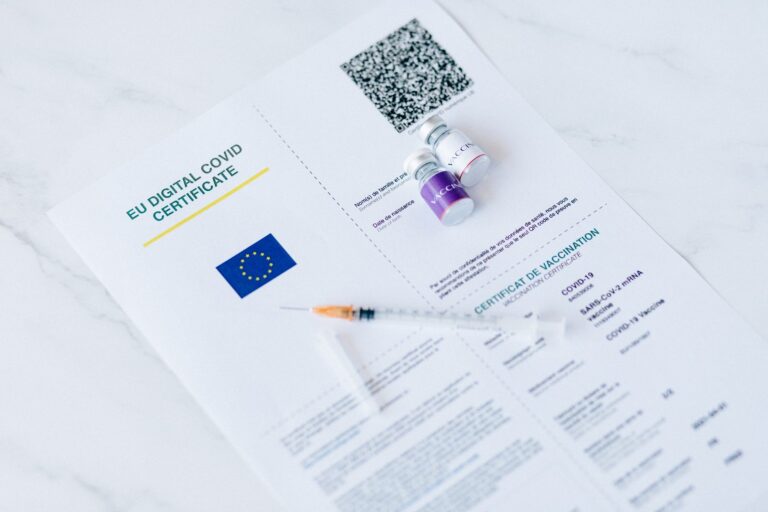
You can’t just show up with a generic doctor’s note. Freediving agencies like AIDA, CMAS, and PADI Freediver all have specific medical forms that must be completed by a licensed physician.
Here’s what you typically need:
- Standard medical questionnaire: This is a form you fill out before the doctor sees you. It covers your medical history, medications, and any risk factors.
- Physician’s clearance certificate: The doctor signs this after examining you. It confirms you are fit to freedive based on the medical standards of the relevant agency.
- Informed consent or waiver: Some clinics or courses require you to acknowledge the risks before starting training. This is separate from the medical clearance but often handled in the same visit.
Make sure you bring the correct form for your course. Download it from the agency’s website beforehand. If you’re booking through a specific school, ask them which form they accept. Some schools have their own medical history forms that meet or exceed agency standards.
Keep a copy of the signed clearance with your dive log. Many clinics also provide a digital copy. Don’t rely on a verbal okay from the doctor. Get it in writing.
Mistakes to Avoid When Getting Your Freediving Medical Clearance
I see the same mistakes repeatedly. Avoiding them saves you headaches, money, and risk.
Hiding your medical history. This is the most dangerous mistake. People worry they’ll be disqualified, so they omit conditions like asthma, migraines, or heart palpitations. That’s how people die. Your doctor can’t help you if they don’t know what’s really going on. Be transparent.
Seeing an inexperienced doctor. Not all physicians understand freediving medical requirements. A general practitioner who has never treated divers may sign off without proper checks, or worse, deny you unnecessarily. Find a doctor who does dive medicine regularly. It’s worth driving further or paying more.
Booking last minute. Don’t schedule your medical appointment the day before your course. If the doctor finds something and needs a specialist consultation, you could lose your deposit or delay your training. Give yourself at least two weeks, preferably a month, before your course starts.
Not understanding the specific questions. Many medical questionnaires ask about conditions that seem unrelated to freediving. For example, they may ask about panic attacks or anxiety disorders. These matter because they affect your ability to stay calm during breath-hold. Don’t dismiss questions as irrelevant.
Assuming you’re fine because you exercise regularly. Fitness doesn’t equal freediving fitness. You can be in great shape and still have a PFO, sinus issues, or cardiac abnormalities. Get the medical clearance regardless.
How to Prepare for Your Health Checks: Practical Tips
A little preparation goes a long way. Here’s how to show up ready for your freediving medical appointment.
Stay hydrated. Drink water normally the day before and the morning of your appointment. Dehydration can skew blood pressure readings and affect lung function tests.
Avoid caffeine and alcohol. Caffeine raises heart rate and blood pressure, which can give a false impression of your resting state. Alcohol dehydrates you and can interfere with test results. Skip both for 12 hours before your appointment.
Bring your past medical records. If you have a history of any condition, bring relevant test results, imaging reports, or specialist notes. This saves the doctor from repeating unnecessary tests and speeds up the process.
List all medications, including over-the-counter. Many drugs affect heart rate, lung function, or consciousness. Don’t assume something is harmless. Write down everything and tell the doctor.
Consider a basic fitness tracker or pulse oximeter. While not required, having data on your resting heart rate, sleep quality, and oxygen saturation can be helpful for your own awareness. Some clinics appreciate the information if you have borderline readings. A pulse oximeter is an inexpensive way to check your oxygen levels at home.
[IMAGE_3]
Freediving Medical Clearance vs. Scuba Diving Medical: Key Differences
If you’ve previously gotten a scuba diving medical, you might assume you’re good for freediving. That assumption can be dangerous.
Scuba medicals prioritize lung function for gas exchange, ear clearing for descent, and heart health for decompression stress. They’re designed for sustained breathing at depth. Freediving medicals shift the emphasis to breath-hold tolerance, blackout prevention, and cardiac tolerance to sudden pressure changes.
Here’s where they truly differ:
- Lung function focus: Scuba medicals check for conditions that cause air trapping or gas exchange issues. Freediving medicals additionally test for conditions that cause lung squeeze, which occurs when lung volume decreases drastically during descent.
- Blackout risk: Scuba medicals don’t typically screen for blackout risk. Freediving medicals include questions about fainting, seizures, and hypoglycemia because these directly cause loss of consciousness underwater.
- EQ emphasis: Scuba medicals look at ear clearing ability, but freediving medicals are more rigorous because you equalize every few feet rather than taking breaks. Sinus issues that are manageable in scuba can be debilitating in freediving.
- Cardiac screening: Scuba medicals focus on arrhythmias that could cause problems during decompression. Freediving medicals look for issues that cause sudden cardiac events during the intense stress of a deep breath-hold.
If you have a scuba diving medical certificate, it may not be accepted for freediving. Check with your course provider. Most will require a separate freediving-specific clearance, especially for advanced courses.
When You Should See a Specialist vs. a General Practitioner
Most healthy people can get their freediving medical clearance from a general practitioner with dive medicine experience. But if you have a complex medical history, a specialist is the better choice.
General practitioner: Best for straightforward cases with no significant medical history. They can handle the questionnaire, physical exam, spirometry, and basic ENT check. Cost is usually lower and appointments are easier to schedule. If you’re young, active, and have no chronic conditions, start here.
Cardiologist: Needed if you have high blood pressure, arrhythmias, heart murmurs, or a family history of sudden cardiac death. A cardiologist can perform an ECG, stress test, or echocardiogram to give you definitive clearance.
Pulmonologist: Required for asthma, COPD, lung infections, or a history of pneumothorax. They can do methacholine challenge tests and full pulmonary function assessments that a GP can’t.
ENT specialist: Recommended for chronic sinus issues, ear surgeries, or persistent equalization problems. They can perform endoscopic exams, CT scans, and confirm that your anatomy can handle the pressure changes.
The tradeoff is cost and time. Specialists are more expensive and may have longer waiting lists. But if you need one, don’t cut corners. A false clearance from a GP who missed something isn’t worth the risk.
Book Your Freediving Medical Appointment at 1st Contact Travel Clinic
If you’re ready to get your freediving medical clearance done properly, 1st Contact Travel Clinic specializes in dive medicine and understands the specific requirements for freediving. Their staff is experienced with AIDA, CMAS, and PADI standards, so you know the paperwork will be correct.
Appointments are fast and convenient. You’ll get a thorough examination, clear results, and a signed clearance form on the same day. They know what questions to ask and what tests matter most for freediving.
Don’t wait until the last minute. Book your freediving medical appointment now and get this important step out of the way before your course starts. Call them or schedule online to confirm a time that works for you.
Final Thoughts: Make Safety Your First Priority
Getting your freediving medical requirements sorted early isn’t just a bureaucratic step. It’s the foundation of safe training. Understanding your risk factors, choosing the right doctor, and showing up prepared means you can focus on learning to dive instead of worrying about your health.
Don’t skip it. Don’t rush it. Find a doctor who knows what they’re doing, be honest about your history, and give yourself enough time before your course. That’s how you start your freediving journey the right way. Book your appointment now and dive with confidence.