Scuba Dive Safety Stop Guidelines: When, Why, and How Long
Introduction
If youâve taken an Open Water course, youâve heard about the safety stop. Most recreational divers know the phrase âthree minutes at fifteen feet.â But ask ten divers why they do it, or whether itâs always needed, and youâll get ten different answers.
This article covers scuba dive safety stop guidelines from a practical, medical, and planning angle. Weâll look at when to make the stop, why it matters physiologically, how long is actually long enough, and what real-world factors â like water temperature, current, or your gear â should change your approach. The point isnât just to follow the rules. Itâs to understand the thinking behind them so you can dive smarter and lower your risk of decompression sickness.
These guidelines draw on recommendations from organizations like PADI, DAN (Divers Alert Network), and the broader dive medicine community. They reflect what works for most recreational divers. But as weâll see, the right answer on any given day depends on more than just a depth reading.
[IMAGE_1]
What Is a Safety Stop?
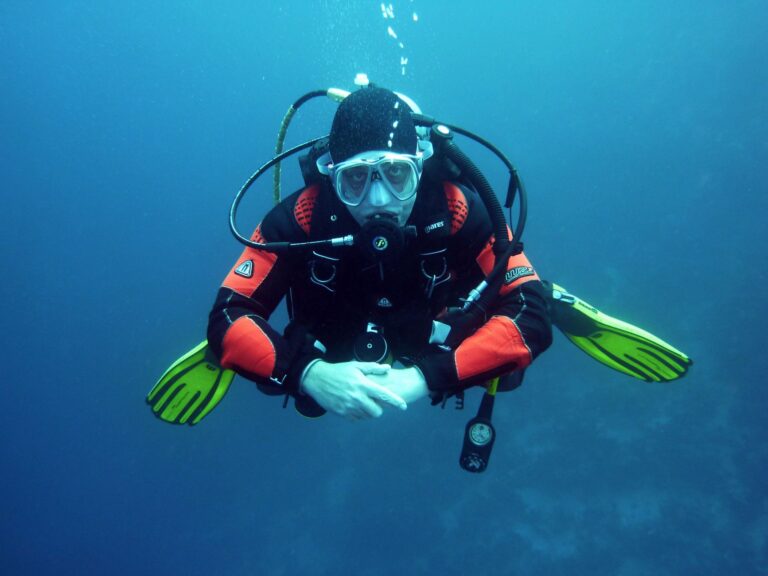
A safety stop is a voluntary pause during ascent â usually at 15 feet (5 meters) â lasting between 3 and 5 minutes. Itâs not a mandatory decompression stop. Itâs a preventive measure that lets your body off-gas excess nitrogen more gradually before you reach the surface.
The difference matters. A mandatory decompression stop is required when youâve gone past no-decompression limits. Skip it, and you risk serious decompression sickness. A safety stop is done even when youâre well within limits. Itâs an extra buffer that lowers your overall risk profile.
Think of it like wearing a seatbelt on a highway versus wearing one on a short trip to the grocery store. Both are good habits, but one scenario has a much lower baseline risk â and the seatbelt still helps if something unexpected happens.
During a safety stop, your body keeps eliminating nitrogen at a favorable pressure gradient. Because 15 feet is still under pressure â about 1.45 atmospheres absolute â the off-gassing is more efficient than at the surface. This slow release reduces bubble formation and gives your circulatory system time to move dissolved gas to your lungs without overloading it.
When Should You Perform a Safety Stop?
The standard advice is to do a safety stop after any dive deeper than 30 feet (10 meters). But many instructors and dive physicians stretch that further. Here are situations where a safety stop is strongly advised â even if your computer doesnât call for one.
After any dive deeper than 30 feet. This is the basic starting point. Once youâve passed 30 feet, youâve accumulated enough nitrogen that a stop provides meaningful risk reduction.
After repetitive dives. Your residual nitrogen load increases with each dive. A safety stop becomes more important on your second, third, or fourth dive of the day â especially if your surface interval was short.
After dives with long bottom times. Even a shallow dive can build up significant nitrogen if you stay down long enough. A 60-minute dive to 40 feet still benefits from a stop.
When diving in cold water. Cold water increases your bodyâs nitrogen absorption rate. Many divers and dive computers recommend adding a longer or deeper safety stop in water below 50°F (10°C).
When carrying heavy equipment. If youâre shooting photos with a large camera rig, using a scooter, or carrying extra gear, your physical exertion is higher. That means more inert gas uptake. A stop helps compensate.
When youâre feeling tired, dehydrated, or hungover. Any physiological stressor increases your risk of DCS. If youâre not at 100%, add a safety stop even on shallow dives.
The default should be: when in doubt, do the stop. It adds three minutes to your dive and dramatically lowers your risk. There arenât many scenarios where skipping it makes sense.
[IMAGE_2]
Why Safety Stops Matter: The Science Behind Off-Gassing
Understanding why a safety stop works helps you appreciate why you shouldnât skip it.
When you breathe compressed air underwater, your body absorbs nitrogen into your tissues. The amount depends on depth and time. The deeper and longer you stay, the more nitrogen dissolves into your blood and tissues. It works a lot like a carbonated bottle holding more COâ under pressure.
As you ascend, the surrounding pressure drops. Nitrogen comes out of solution and forms tiny bubbles. Your body gets rid of these bubbles through your lungs â as long as they stay small and manageable. The trick is to ascend slowly enough that the bubbles never grow large enough to cause problems.
A safety stop at 15 feet creates a controlled environment where off-gassing is faster than at the surface. The pressure gradient â the difference between the nitrogen partial pressure in your tissues and the ambient pressure â is dialed in for efficient elimination. At the surface, the gradient is too steep, which can cause bubbles to form rapidly. At 15 feet, itâs gentler, letting your body clear nitrogen without overwhelming your circulatory system.
Research published by DAN and in dive medicine journals shows that even a 3-minute stop at 15 feet reduces DCS risk by a significant margin. A 5-minute stop provides even more protection. The relationship isnât perfectly linear, but the trend is clear: more time at depth during ascent means safer decompression.
How Long Should a Safety Stop Be?
The recreational diving standard is 3 minutes at 15 feet. But many technical divers, dive physicians, and conservative instructors lean toward 5 minutes.
3 minutes is the minimum widely accepted as providing meaningful protection. Itâs the recommendation from PADI, SSI, and most recreational training agencies. For most single, shallow, short recreational dives, 3 minutes is enough.
5 minutes is increasingly recommended for deeper dives (below 60 feet), repetitive dives, cold water diving, or when youâre feeling run down. Some dive computers now default to a 5-minute countdown. DANâs dive medicine team often suggests 5 minutes for any dive that approaches no-decompression limits or involves significant exertion.
Tradeoffs. Longer stops give better protection but arenât always practical. In strong currents, holding a 5-minute stop at 15 feet can be exhausting or dangerous if you drift into a hazard. If your air supply is critically low, you might not have enough gas to finish a full stop. In those situations, do what you can â even a 1-minute stop is better than none â but plan better next time.
My personal rule: Always do at least 3 minutes. If conditions allow, do 5. If youâre on a deep dive, repetitive dives, or diving in cold water, make it 5. Those extra two minutes cost you very little and buy a lot of safety.
Common Mistakes Divers Make with Safety Stops
Even experienced divers make mistakes during safety stops. Here are the most common ones â and how to avoid them.
Ascending too fast before the stop. If you rocket up from 60 feet to 15 feet in 30 seconds, youâve already created a fast ascent profile. The safety stop canât undo the bubble formation that happened during that rapid rise. Ascend at 30 feet per minute or slower. That means 60 feet to 15 feet should take about 90 seconds.
Not maintaining neutral buoyancy. Many divers bob up and down during their stop. One second theyâre at 12 feet, the next at 18. This defeats the purpose of a controlled depth. Add a small burst of air to your BC as you reach 15 feet. Adjust your breathing to hold a steady position. If youâre using a drysuit, you may need to add gas there instead.
Skipping the stop on shallow dives. A dive to 25 feet for 40 minutes still absorbs nitrogen. You may be within no-decompression limits, but that doesnât mean youâre risk-free. A 3-minute stop is quick and easy. Just do it.
Relying solely on your dive computer. Dive computers are great tools, but theyâre not infallible. They can miscalculate if you ascend too fast, if the battery is low, or if you have an irregular dive profile. Use your computer as a guide, but also develop your own sense of depth and time. Use a backup timer or watch. For those looking for a reliable backup, a dive watch with a countdown timer is a simple and practical way to keep your stop timing accurate even if your primary computer glitches.
Stopping at the wrong depth. âAbout 15 feetâ isnât good enough. Being at 10 feet gives you less protection than 15. Being at 20 is less effective for off-gassing. Take the time to fine-tune your depth. Use your computerâs depth display, and if you donât have one, use a mechanical depth gauge and a reference line if available.
Safety Stop vs. Decompression Stop: What’s the Difference?
This is one of the most misunderstood concepts in recreational diving.
A safety stop is optional, preventive, and typically 3â5 minutes at 15 feet. You do it even when youâre within no-decompression limits. Itâs a good habit that makes diving safer.
A decompression stop is mandatory. You must perform it when youâve exceeded your no-decompression limit (also called a âdecoâ dive) or when your dive computer indicates a required stop. The depth and duration are determined by your dive profile. They can range from a few minutes at 20 feet to much longer, deeper stops that require specialized training and gas management.
Ignoring a mandatory decompression stop can cause serious decompression sickness â joint pain, neurological damage, or worse. Ignoring a safety stop increases your risk but is less likely to cause immediate, severe DCS. Still, many divers who experience DCS had âonlyâ skipped a safety stop on a dive that was within limits. The risk is real, just lower.
If your computer shows a required decompression stop, itâs not optional. If it doesnât, the safety stop is still worth doing. Both are about controlling gas uptake and elimination, but the stakes are very different.
Equipment That Makes Safety Stops Easier and Safer
A few pieces of gear can make your safety stops more precise, less stressful, and more effective.
Dive computer with audible alarms. Most modern dive computers include an audible alarm that sounds when you reach your safety stop depth. Some also have countdown timers. This is one of the best investments you can make for dive safety. You donât have to stare at your gauge â the computer reminds you when itâs time to stop and when you can ascend. A dive computer with an audible alarm is a good starting point if you are looking to upgrade your gear.
Dive watch with a countdown timer. Even if you use a computer, a backup timer on your wrist is smart. If your computer fails, youâve still got a way to time your stop. Mechanical watches work great and donât rely on batteries.
Surface marker buoy (SMB). A safety stop is the perfect time to deploy a delayed surface marker buoy. It signals your position to boat traffic, lets your boat know where you are, and gives you a visual reference for depth if you tie it off. An SMB with a finger spool or reel is inexpensive and can make your stop feel much more controlled â especially in current.
Reef hook or grip line. In strong current, holding a safety stop can be exhausting. A reef hook lets you clip into the bottom without damaging coral. Some divers use a grip line that runs from the anchor line or a fixed point. This keeps you from drifting and lets you focus on breathing and depth control.
If you donât already own a dive computer or an SMB, prioritize those. They improve every aspect of your diving â not just safety stops.
Safety Stops for Different Dive Profiles
Not all dives are the same, and neither are safety stop requirements.
Single shallow dive (under 40 feet, less than 40 minutes). A 3-minute stop is fine. You could argue itâs unnecessary, but itâs still good practice. If youâre diving conservatively, do it.
Single deep dive (60â100 feet, within limits). Definitely do a stop. 5 minutes is better than 3. If your dive computer indicates a deep stop â often at half your maximum depth â consider adding that as well. Deep stops are more controversial, but many divers find them beneficial.
Repetitive dives. Your second dive of the day should include a 5-minute stop. Your third or fourth dive should definitely have one. If youâre doing three or more dives in a day, consider adding a safety stop to every dive, even the shallow ones.
Multi-day diving. Accumulated nitrogen load over multiple days of diving increases risk. On day three or four, all your dives benefit from a 5-minute stop. Take it easy on the last day of your trip.
Drift dives and high-current dives. These are physically demanding. The exertion increases nitrogen uptake. Add a longer stop, and use an SMB to stay visible. If current is strong, you may need to ascend with the current rather than fighting it â but do your best to hold the stop at the correct depth for as long as you can.
How Environment Affects Your Safety Stop
Where you dive changes how you should approach your safety stop.
Cold water. Cold water increases blood flow to your core, which can increase nitrogen absorption. Many divers and instructors recommend adding a minute or two to your stop in water below 50°F (10°C). If youâre diving in a drysuit, youâll also need to manage buoyancy carefully â adding gas to the suit to maintain neutral at 15 feet.
Strong current. Holding depth in current is hard. If you canât maintain position, use an SMB and let the current take you. Ascend slightly above your target depth if necessary, but stay as close to 15 feet as possible. If you drift, finish your stop at the surface â but the stop is less effective there.
Low visibility. If you canât see your buddy or the bottom, itâs easy to drift up or down. Use a dive computer with depth alarms. Stay close to your buddy. Consider using a line from the anchor or a fixed point to maintain depth.
Surf zone or boat pickup. If you need to ascend in rough conditions, a standard safety stop may not be safe. In that case, do a partial stop as deep as you safely can, then ascend. Prioritize personal safety over protocol. Deploy an SMB early so the boat knows your location.
What Does the Research Say?
Dive medicine research consistently supports the use of safety stops. DANâs Project Dive Exploration data â one of the largest databases of recreational dive profiles â found that divers who performed a safety stop had a significantly lower incidence of decompression sickness. The effect was most pronounced on deeper and longer dives, but the benefit was measurable even on moderate dives.
A study published in Undersea and Hyperbaric Medicine examined simulated dive profiles and found that a 3-minute stop at 15 feet reduced venous gas bubble formation by approximately 50% compared to a direct ascent. A 5-minute stop reduced it further. The reduction was most effective when the ascent before the stop was slow â combining controlled ascent with a safety stop provided the best protection.
Another analysis by the Royal Netherlands Navy diving medical team concluded that safety stops should be considered standard practice for any dive deeper than 10 meters (33 feet), and that extending the stop to 5 minutes further decreased risk without significant downside.
These findings align with what dive physicians have observed clinically: the majority of DCS cases in recreational divers involve dives where safety stops were skipped, shortened, or performed incorrectly. The evidence is strong enough that itâs difficult to justify skipping a safety stop on any dive where itâs safe to perform one.
Practical Tips for Perfect Safety Stops
Hereâs how to execute a safety stop every time â without stress.
Ascend slowly. 30 feet per minute max. That means 60 feet to 15 feet should take 90 seconds. Use your computerâs ascent rate indicator. If youâre ascending faster, slow down.
Start at exactly 15 feet. Donât guess. Use your depth gauge or computer. If youâre using an analog gauge, take a reading carefully. Being within one or two feet is fine, but aim for 15.
Use a timer. Most dive computers start a countdown automatically when you hit safety stop depth. If yours doesnât, start your own timer. A dive watch with a countdown function is perfect. If you donât have one, use the elapsed time display and subtract the ascent time.
Maintain neutral buoyancy. As you reach 15 feet, add a small burst of air to your BC or drysuit to achieve neutral buoyancy. You should be able to hover without finning. If you sink, add more air. If you float up, vent a little. Breathe normally â donât hold your breath or hyperventilate.
Focus on breathing. Slow, deep breaths. This helps you control buoyancy and enhances off-gassing. Panic breathing or rapid breathing increases your heart rate and can make you feel uncomfortable.
Communicate with your buddy. Use hand signals to confirm depth and time remaining. Stay close. If one of you drifts, the other can help correct. If youâre using a line or SMB, both of you should be clipped in or holding it.
Manage discomfort. If you feel anxious during the stop, remind yourself that youâre safe. Check your depth. Look at your timer. Take a slow breath. If youâre cold, consider adding a thicker wetsuit or drysuit undergarments on future dives. The discomfort is temporary â DCS is not.
Use a dive slate or computer log. Record your maximum depth, bottom time, and the duration of your safety stop after the dive. This helps you track your patterns and identify when you might need to adjust.
Planning Your Dives with Safety Stops in Mind
Safety stops shouldnât be an afterthought. They should be integrated into your dive plan from the start.
When calculating your required gas, include the air youâll use during the ascent and the safety stop. A 3-minute stop at 15 feet consumes air â maybe 50 to 100 psi depending on your SAC rate and tank size. If youâre doing a long dive or repetitive dives, that extra gas matters. Plan to surface with at least 500 psi (or 50 bar) remaining after the stop.
If youâre using a dive computer, set it to display the required safety stop duration and depth. Some computers allow you to customize the stop time. If yours does, set it to 5 minutes for deeper or repetitive dives.
Consider your dive profile. Will you be ascending through a thermocline? That can affect buoyancy. Will there be current? Plan to ascend with the current or use a line. Will you be diving from a boat? Deploy your SMB early enough that the boat can track you during the stop.
Treat the safety stop as a non-negotiable part of the dive profile. If a dive is planned to 60 feet for 40 minutes, then your dive plan includes a 3-minute safety stop. No exceptions. This habit prevents rationalization in the moment.
[IMAGE_3]
Final Thoughts: Making Safety Stops a Habit
Safety stops are one of the simplest, most effective ways to reduce your risk of decompression sickness. They require minimal extra time, cost nothing, and provide a measurable safety benefit every time you do one.
The habit is easy to build: always perform a safety stop after any dive deeper than 30 feet. If youâre diving in cold water, doing repetitive dives, or feeling less than 100%, extend it to 5 minutes. If conditions are difficult, do what you can â but never skip it lightly.
If youâve been inconsistent with safety stops, start now. Make it automatic. Your body will thank you.
For personalized advice based on your health, dive history, and specific equipment, consult your dive medical professional. They can help you refine your approach and ensure your diving stays as safe as it is enjoyable.