Oxygen Therapy for Divers: When It Matters in an Emergency
Introduction
Oxygen therapy for divers is the most critical piece of first aid you can deliver when someone has a diving injury. Decompression illness (DCI) and arterial gas embolism (AGE) are medical emergencies where time and the right intervention make a profound difference in outcome. While oxygen therapy does not replace recompression, it acts as the indispensable bridge between the onset of symptoms and definitive medical care.
This article is not about theoretical scenarios or sensational what-ifs. It is about the practical, grounded understanding of when oxygen administration becomes a life-saving necessity, how it works, and what every diver needs to know to be prepared. Whether you are a recreational diver, a dive professional, or someone who simply wants to be a safer buddy, understanding the logistics and physiology of field oxygen therapy is a core competency. My goal here is to cut through the noise and give you a clear picture of why this matters, when it matters, and how to respond effectively.
[IMAGE_1]
The Physiology Behind Oxygen Therapy for Divers
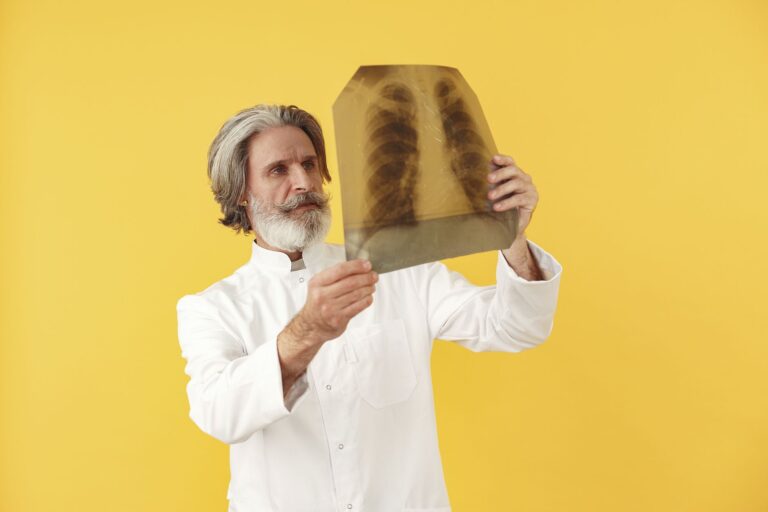
To understand why oxygen therapy for divers is so effective, you need to understand what is happening in the injured diver’s body. The primary problem in DCI and AGE is that inert gasâusually nitrogenâcomes out of solution and forms bubbles in tissues and blood vessels. These bubbles physically block blood flow, damage vessel walls, and trigger a cascade of inflammation and secondary injury. The more bubbles there are, and the longer they remain, the worse the damage.
High-concentration oxygen acts on this process in two main ways. First, it creates a pressure gradient that accelerates the elimination of inert gas from the body. By breathing close to 100% oxygen, you effectively wash out nitrogen and other inert gases from the tissues and into the lungs for exhalation. This is a well-established principle of dive medicine. Second, oxygen reduces the size of existing bubbles. This is not just a theoretical benefit; it directly reduces the mechanical blockages in blood vessels and organs.
There is also the issue of oxygen delivery to hypoxic tissues. Bubbles may stop oxygen from reaching the brain, spinal cord, or other vital areas. By delivering a high partial pressure of oxygen, you force more Oâ into the plasma, which can sustain tissue function even when red blood cells cannot get through. This is why prompt, high-flow oxygen can stabilize a neurological presentation until the diver reaches a recompression chamber. It is a mechanical and physiological intervention, not a miracle cure.
When Oxygen Therapy Becomes Critical: Recognizing the Signs
The decision to administer oxygen should never be delayed while you try to make a definitive diagnosis. The core rule in dive medicine is simple: when in doubt, oxygen out. Do not try to distinguish between different types of DCI or AGE at the sceneâthat is for the chamber physician. Your job is to provide the highest possible concentration of oxygen as quickly as possible.
The classic symptoms that warrant immediate oxygen administration include:
- Joint or limb pain that is progressive or severe
- Numbness, tingling, or weakness, especially on one side
- Confusion, dizziness, or unexplained fatigue
- Breathing difficulty or chest tightness
- Skin mottling or a rash
- Unconsciousness or altered mental state
These are not subtle signs. However, symptoms can also be mild, vague, or delayed by hours. A diver who surfaces from a deep or long dive and complains of feeling off, tired, or having a mild headache may still benefit from oxygen. It costs you nothing, has virtually no downside, and buys time. Do not wait for a textbook presentation. The danger is that mild symptoms can progress rapidly into a full-blown neurological emergency. I have seen too many cases where a diver dismissed an early symptom, only to end up in a chamber hours later with a much worse outcome than if oxygen had been started immediately.
Oxygen Therapy vs. No Oxygen: What the Research Shows
The medical consensus is clear: early oxygen administration significantly improves outcomes for divers with DCI or AGE. While absolute survival statistics are hard to pin down due to the variability of injuries, multiple studies, including data collected by the Divers Alert Network (DAN), consistently show that divers who receive oxygen within the first hour have better symptom resolution, fewer recompression treatments, and shorter recovery times.
You do not need to be familiar with every statistical analysis. The practical takeaway is this: oxygen is the difference between making it to the chamber in stable condition versus arriving in a state of severe neurological distress. It is not a cure for the underlying injury, but it does two critical things. It reduces the ongoing bubble burden, and it keeps oxygen-starved tissues viable during transport. The alternative is to do nothing, which allows the bubbles to persist, expand, and cause irreversible damage. There is no downside to giving oxygen even if the injury turns out to be minor. It is a benign intervention with enormous potential benefit.
How to Administer Oxygen to a Diver in an Emergency
Let’s assume you have an injured diver and a functional oxygen kit. The process is tactical and requires calm, deliberate action. Here is the step-by-step sequence you should follow.
First, ensure scene safety and assess the diver’s airway, breathing, and circulation. If they are unconscious, check responsiveness. If they are not breathing, start CPR immediately and apply oxygen if ventilation is established. For a conscious diver, the immediate step is to position them supine with their legs slightly elevated if possible. Remove any wet gear that might restrict breathing, and keep them warm. Hypothermia complicates everything.
Next, open the oxygen cylinder. Set the flow rate to a minimum of 15 liters per minute. For a non-rebreather maskâthe standardâyou want the reservoir bag to remain fully inflated during inhalation. If the bag deflates, the flow rate is too low. Place the mask snugly over the diver’s face, covering both the nose and mouth. Ensure a good seal. Watch the chest rise and fall, and check for adequate oxygenation using a pulse oximeter if available.
During transport to the nearest medical facility, maintain continuous high-flow oxygen. Do not remove the mask to check symptoms, to talk to the diver for more than a few seconds, or because the cylinder is running low. If you have multiple cylinders, have them ready to swap. Common mistakes include turning off the oxygen during loading onto a boat or during a long vehicle ride, or using a nasal cannula instead of a non-rebreather mask. A nasal cannula at 15 L/min provides a much lower concentration of oxygen than a well-sealed mask at the same flow. Use the mask. Keep it on.
Choosing the Right Oxygen Equipment for Your Dive Trip
Having the right oxygen equipment for your specific dive environment is essential. There is no single best system for every diver because the logistics are different for a shore diver in Florida, a technical diver on a remote liveaboard, or a dive professional leading groups on a daily schedule.
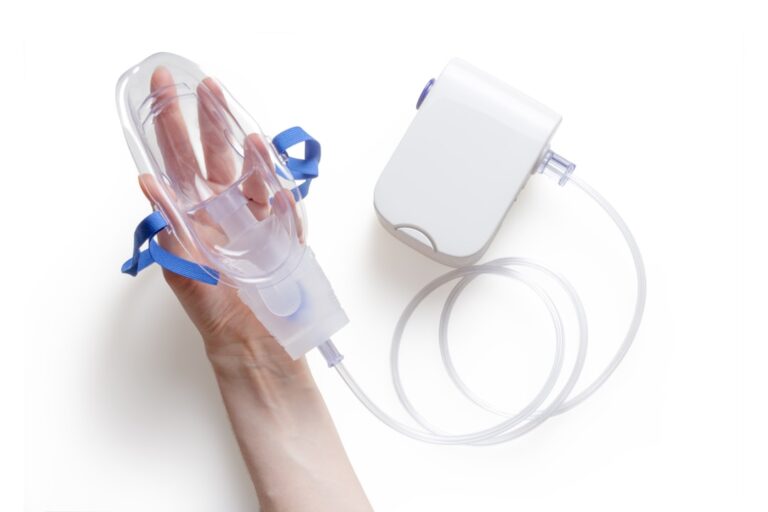
For most individual divers or small groups, a portable oxygen unit is the most practical solution. These are typically 40-liter or 60-liter aluminum cylinders with an integrated regulator and a non-rebreather mask. They are small enough to fit in a car trunk or a boat bag, and they provide about 15 to 20 minutes of high-flow oxygen depending on the size. The DAN O2 Xpress kit is a well-known example. For extended operations, consider a larger D-size or E-size cylinder that provides closer to 30 to 45 minutes of therapy. Divers who want to compare options may find it helpful to look at portable dive oxygen kits online.
[IMAGE_2]
A pulse oximeter is a wise addition to any emergency kit. It gives you real-time feedback on oxygenation, which helps you adjust flow and assess the diver’s status. Spare masks are important because masks can be dislodged or damaged. A spare cylinder or a refill plan is essential for liveaboard trips.
The tradeoff is between weight, duration, and cost. A smaller unit is easier to carry but has shorter therapy time. Larger units are heavier and bulkier but provide more oxygen. For liveaboards or remote dive sites, consider having a fixed station with multiple large cylinders. For boat diving, a portable kit that stays on the boat is the minimum. There are also compact emergency oxygen kits designed for technical diving, but verify the flow rate and tank pressure before every trip.
Common Mistakes Divers Make with Emergency Oxygen
Over the years, I have seen the same errors repeated by divers who otherwise consider themselves prepared. Here are the most frequent mistakes, along with their consequences and how to avoid them.
Mistake #1: Using too low a flow rate. A common scenario is setting the regulator to 5 or 10 L/min, thinking it is sufficient. At that flow, the reservoir bag will not stay full, and the diver receives far less than 100% oxygen. Always set 15 L/min as a baseline and increase if needed. If you cannot maintain a full bag, you are doing it wrong.
Mistake #2: Relying on oxygen equipment that has not been serviced or pressure-checked. A cylinder sitting in a garage for two years may be empty. Similarly, a mask that is cracked or missing a one-way valve will not provide adequate oxygen. Before every dive trip, check the tank pressure and test the mask seal.
Mistake #3: Delaying oxygen while trying to diagnose the exact injury. This is a classic error. The diver has vague symptoms, and you spend five minutes discussing whether it is DCI, AGE, or just fatigue. Meanwhile, the bubbles are not waiting. Administer oxygen immediately and let the medical team handle the differentiation.
Mistake #4: Removing the mask too early. You may be tempted to take the mask off during transport to communicate with the diver or to check skin color. Do not remove it. Communicate by asking yes or no questions, and have the diver nod. The mask stays on.
Mistake #5: Forgetting to check tank pressure before the trip. You have the kit, but you have not inspected it in months. A tank that reads zero is useless. Make it a habit to check the needle before you leave the house.
When Oxygen Isn’t Enough: The Role of Recompression Therapy
I want to be very clear that oxygen therapy for divers is first aid, not definitive treatment. For any serious case of DCI or any confirmed or suspected AGE, recompression in a hyperbaric chamber is the standard of care. The chamber allows breathing oxygen at increased pressures that further shrink bubbles and correct the underlying physiology.
The practical implication is that you must have a plan for evacuation to a chamber. This is doubly important for remote dive sites or liveaboards. You need to know how to contact DAN or another evacuation service. You also need dive-specific travel insurance. Many common leisure travel policies explicitly exclude coverage for dive injuries, including chamber treatment and emergency evacuation. For those planning remote trips, looking at dive travel insurance options can be a practical step.
In the field, your job is to provide high-flow oxygen, keep the diver stable, and coordinate evacuation. Do not delay transport to administer more oxygen. Oxygen can be given continuously during the evacuation. A diver who is stable on high-flow oxygen and en route to a chamber has the best possible chance of a full recovery. The goal is to get them there without deterioration.
Training and Preparation: What Every Diver Should Know
The difference between a prepared diver and an unprepared one often comes down to training. I strongly recommend that every certified diver take a formal oxygen provider course. Organizations like DAN and PADI offer these. In a classroom setting, you practice assembling the kit, adjusting flow rates, and managing mask seals. This hands-on practice is invaluable. You do not want to fumble with a mask and a tank pressure gauge when a diver is in distress.
The training is also a good opportunity to understand the nuancesâlike recognizing when a mask has an inadequate seal or how to manage an unconscious diver’s airway. Many dive centers offer these courses regularly, and they are often inexpensive. Think of it as an investment in your safety and the safety of the divers around you.
If you are a boat captain or a liveaboard staff member, advanced training is even more important. You may need to manage oxygen therapy for extended periods or in rough conditions. A well-trained team member is the most valuable piece of safety equipment on board.
Oxygen Therapy for Divers: A Practical Checklist
[IMAGE_3]
This quick-reference checklist consolidates the key steps into an actionable format. Keep a copy in your dive gear storage.
- Pre-dive: Verify oxygen cylinder pressure is full. Check mask valves and seals. Ensure spare masks and a pulse oximeter are packed. A pulse oximeter for diving is a small addition that can give you important feedback.
- At the first sign of symptoms: Do not delay. Administer high-flow oxygen (15 L/min, non-rebreather mask) immediately, even if symptoms are mild or vague.
- During oxygen therapy: Position diver supine, legs elevated. Maintain the mask seal. Monitor with pulse oximeter if available. Keep the diver warm and stable.
- Evacuation: Contact emergency services. Arrange transport to the nearest recompression chamber. Do not stop oxygen during transport. Have a backup cylinder ready.
- Post-event: Document the incident and the oxygen administration details for the medical team. Ensure your oxygen equipment is cleaned, serviced, and re-filled.
FAQ: Oxygen Therapy for Divers
Can you give too much oxygen to a diver?
Generally, no. The risk of oxygen toxicity from field oxygen therapy is extremely low in this context. The therapy period is short, typically less than an hour. The benefits far outweigh any theoretical risks.
Is oxygen safe for all divers?
Yes. There are no contraindications to administering high-concentration oxygen to an injured or symptomatic diver. Do not withhold oxygen because of age, health history, or the nature of the injury.
How long should oxygen be administered for?
Continue oxygen therapy until the diver is in the care of medical professionals at a hospital or recompression chamber. Do not stop early.
What if the diver stops breathing while on oxygen?
Stop mask ventilation. Start CPR immediately. Use a bag-valve-mask (BVM) with oxygen if one is available. If not, continue rescue breathing without the oxygen mask and resume the oxygen when the diver is breathing again.
Does oxygen expire in tanks?
Medical oxygen has a shelf life of 3 to 5 years from the date of fill, but it does not go bad like food. The oxygen remains chemically stable. However, tank pressure must be checked. Moisture and contamination in the tank or regulator are more likely to cause issues.
Can I use an oxygen concentrator instead of a tank?
Not in an emergency setting. Oxygen concentrators are not portable enough for field use, and they do not deliver the flow rates required for a non-rebreather mask. They are for home use, not for a diver being evacuated from a beach or a boat.
Final Thoughts: Making Oxygen Part of Your Dive Safety Plan
Oxygen therapy for divers is not a luxury skill. It is a fundamental part of a responsible diver’s safety toolkit. The investment in a good portable oxygen kit, the time taken to complete a training course, and the discipline to keep your equipment ready are all small compared to the potential benefit. Every diver I have known who has used oxygen in an emergency has been grateful for the preparation. Every one who has not has wished they had.
Build it into your pre-dive planning. Know where your kit is. Know how to use it. Have a plan for contacting emergency services and arranging evacuation. The reality is that diving emergencies do not announce themselves. They happen when you least expect them. Being prepared is not about paranoia; it is about being a confident, capable member of the diving community. Take the step toward readiness before you need it.