Cold Water Diving Health Risks and Safety Planning: A Guide for Divers
Introduction
Cold water diving offers some of the most rewarding underwater experiences, but it also brings a distinct set of physical challenges that every diver needs to understand. When we talk about cold water diving health risks, we’re not just discussing discomfort. We’re looking at genuine physiological stressors that can affect your safety, your bottom time, and your recovery. This article covers the specific risks you face when diving in water below 15°C (59°F), and walks through practical planning strategies to keep you safe. Whether you’re a new diver preparing for a first drysuit season or an experienced diver looking to refine your cold water protocols, the advice here comes from real-world dive medicine principles and years of working with divers in demanding conditions.
[IMAGE_1]
Why Cold Water Diving Presents Unique Health Risks
Diving in cold water is fundamentally different from warm water diving. The primary reason is heat loss. Water conducts heat away from the body about 25 times faster than air. Even with a well-fitting exposure suit, you’re losing body heat much faster than you would in a tropical environment. This heat loss isn’t just about feeling cold. It directly impacts your physiology.
Your body responds to cold by constricting blood vessels in the extremities. This peripheral vasoconstriction reduces blood flow to your arms and legs, which can increase the risk of decompression sickness because nitrogen off-gassing is less efficient in those tissues. Cold water also increases respiratory rate and air consumption. Your body works harder to stay warm, and you burn through your tank faster. That means shorter dives and less margin for error.
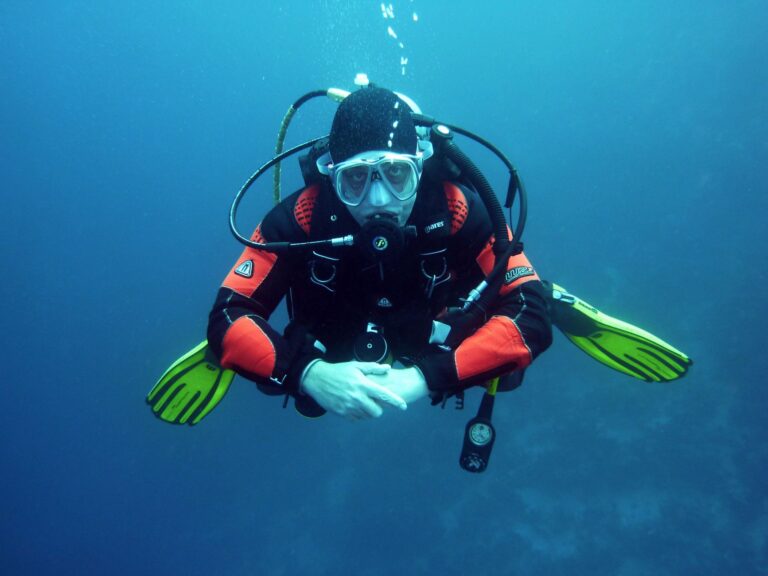
Thicker exposure suits contribute to the challenge. A drysuit or a 7mm wetsuit restricts movement and adds buoyancy challenges. You’re heavier on the surface and harder to control underwater. All of these factorsâheat loss, altered circulation, increased air consumption, and added physical loadâcreate a risk profile that demands deliberate, conservative planning. If you treat a cold water dive like a warm water dive, you’re setting yourself up for problems.
The Main Cold Water Diving Health Risks to Know
Three primary health risks stand out in cold water diving. Ignoring any of them can turn a good dive into a bad day.
Hypothermia
Hypothermia is the most immediate and well-known risk. It occurs when your core body temperature drops below 35°C (95°F). Even mild hypothermia can impair coordination and decision-making. In cold water, you don’t need to be submerged for hours to reach this point. A leaky drysuit, insufficient undergarments, or a long surface interval in cold air can push you there quickly. Symptoms start with uncontrollable shivering and progress to confusion, clumsiness, and eventually loss of consciousness. The key is catching it early, before your buddy notices your shivering has stopped.
Non-Freezing Cold Injury (NFCI)
NFCI is less dramatic but equally serious. It happens when tissues are exposed to cold for prolonged periods without freezing, causing damage to nerves and blood vessels. Divers who wear thin gloves in cold water, or who have poor circulation in their hands and feet, are at risk. Symptoms include numbness, tingling, and pain that can last for weeks or months after the exposure. NFCI is often overlooked because divers think “it’s just cold.” But repeated exposure can lead to permanent sensitivity loss in your fingers and toes.
Increased Risk of Decompression Sickness (DCS)
Cold water doesn’t directly cause DCS, but it creates conditions that make DCS more likely. Peripheral vasoconstriction means less blood flow to your extremities during the dive. Those tissues absorb nitrogen, but they don’t release it as efficiently during ascent. Shivering also increases metabolic rate, which can theoretically influence nitrogen uptake. The result is that a dive profile that would be perfectly safe in warm water might push you closer to the limits in cold water. Taking a conservative approachâshorter bottom times, longer safety stops, and longer surface intervalsâis not optional. It’s necessary.
Hypothermia: Prevention, Recognition, and Response
Preventing hypothermia starts before you put on your gear. Your exposure suit is your first line of defense. For drysuit divers, that means choosing the right undergarment layering system. A single lightweight base layer won’t cut it in truly cold water. You need a wicking layer next to your skin, followed by an insulating layer of fleece or synthetic material. For wetsuit divers, a 7mm suit with integrated hood and boots is the minimum for cold water. Thicker suits exist, but they compromise mobility and buoyancy control. Travelers who need a reliable insulating layer for their drysuit may want to consider a fleece undergarment set designed for cold water diving.
Recognition is about knowing what to look for. The earliest sign is uncontrollable shivering. If you or your buddy start shaking hard and can’t stop, the dive is over. There’s no negotiating. You ascend, surface, and get warm. Other early signs include trouble with fine motor skillsâdifficulty operating buckles, fins, or regulatorsâand mental fog. The diver may seem confused or slow to respond. These are not normal. They are signs that the body is losing its battle with the cold.
Response depends on where you are. In the water, the priority is to stop further heat loss. If you’re near shore, get out. If you’re on a boat, a hot drink and dry clothes are immediate steps. Never jump into a hot shower right after a cold dive. The sudden vasodilation can cause a drop in blood pressure and increase the risk of DCS. Instead, warm up gradually with blankets, warm layers, and a warm environment. If shivering persists for more than 30 minutes after getting out, or if the diver remains confused, seek medical attention.
Drysuit vs. Wetsuit: A Critical Comparison for Cold Water
The choice between a drysuit and a wetsuit is one of the most important decisions for cold water diving. Each has its place, and the right answer depends on how you dive and where.
Drysuits
Drysuits keep you completely dry by sealing at the neck and wrists. They use air as insulation, and you wear insulating undergarments beneath. The biggest advantage is that you can adjust warmth by changing undergarments, not by buying new suits. This makes drysuits ideal for divers who plan multiple cold water exposuresâweekend dive trips, shore diving in cooler conditions, or technical diving where immersion times are long. The downside is cost. A quality drysuit costs $1,200-$2,500, and you need a specialty certification to learn buoyancy control. Drysuits also require more maintenance (valves, seals, zippers) and can make you feel “bulky” underwater.
Wetsuits
Thick wetsuits (7mm or more) work by trapping a thin layer of water that your body warms. They’re simpler, cheaper, and don’t require additional training. A good 7mm wetsuit with hood, boots, and gloves costs $300-$600. For occasional cold water dives, or if you’re traveling to a destination that requires flexibility, a wetsuit is often the more practical choice. The tradeoff is that wetsuits compress at depth. A 7mm suit might be only 3-4mm effective at 30 meters. They also make buoyancy control more challenging because the neoprene compresses, reducing lift as you descend. And they leave you colder on long surface intervals, because the water in the suit cools down.
Best For Scenarios
If you dive cold water more than a few times a year, invest in a drysuit. The warmth, consistency, and control are worth the cost. For the diver who only does one or two cold water trips a season, a thick wetsuit is perfectly adequate. Just understand its limitations and plan shorter dives accordingly.
[IMAGE_2]
Decompression Sickness in Cold Water: What Changes?
The relationship between cold water and DCS is complex, but the practical implications are straightforward. Cold water causes vasoconstriction, which shunts blood flow away from your arms and legs. During a dive, your extremities absorb nitrogen at a slower rate because of restricted blood flow. But during ascent, those same tissues off-gas less efficiently as blood flow remains reduced. The result is a higher tissue nitrogen load that can persist longer than it would in warm water.
Shivering adds another layer. Shivering increases your metabolic rate, which can elevate oxygen consumption and potentially influence inert gas exchange. It’s not a major factor for most recreational dives, but it’s worth noting for longer, deeper exposures. The safest approach is to plan conservative dive profiles. Use a dive computer that factors water temperature into its algorithm (many modern computers do). Make your safety stop longerâfive minutes instead of three. And avoid strenuous physical activity immediately after the dive. That means no heavy lifting for gear, no long swims, and no carrying tanks up stairs until you’ve warmed up fully.
Staying warm post-dive is critical. If you cool down after surfacing, your blood vessels constrict again, trapping nitrogen in tissues. That’s why the first 30-60 minutes after a cold dive are high-risk for DCS. Change into dry clothes immediately, drink warm fluids (no alcohol), and stay in a warm environment. A proper warm-down is as important as a pre-dive warm-up. For divers who find their hands stay cold even after the dive, a rechargeable hand warmer can be a practical tool for surface warming.
Essential Gear for Managing Cold Water Diving Risks
Managing cold water risks comes down to having the right gear. The following categories matter most.
Primary Exposure Suit
We covered this in detail, but it’s worth repeating. A good exposure suit is your foundation. For drysuits, look for a trilaminate model. For wetsuits, a 7mm with integrated hood is non-negotiable.
Hood, Gloves, and Boots
A hood is critical. You lose up to 30% of your body heat through your head. A 7mm hood is the minimum for cold water. Gloves should be 5mm-7mm, depending on the water temperature and your circulation. Beginners who are still building their gear kit may want to look for a 7mm diving hood and glove set to keep the essentials bundled. Boots should be thick enough to provide insulation without restricting blood flow. Thicker isn’t always better if it cuts off circulation.
Undergarments for Drysuit Divers
Your undergarment system is what makes a drysuit work. Look for a two-layer system: a wicking base layer (synthetic or merino wool) and an insulating outer layer (fleece or synthetic fill). Consider heated undergarments for extreme cold.
Hot Water Systems
For ice diving or extremely cold water (below 5°C/41°F), a hot water suit is a game-changer. These systems pump warm water from the surface into your suit. They’re expensive and require surface support, but they allow for extended immersion in freezing conditions.
Backup Heating Sources
Chemical warmers are an affordable backup. Stick them in your boots, gloves, or undersuit pockets. They add heat for 6-8 hours and cost pennies per pack. A portable rechargeable hand warmer is another option for surface use. They’re small enough to carry in a dry bag between dives.
Common Mistakes Divers Make with Cold Water Safety
After years of watching divers in cold water, certain mistakes come up over and over. Here are the most important ones to avoid.
Inadequate Thermal Protection
This is the number one mistake. Divers think a 5mm wetsuit will be fine in 12°C water. It won’t. You’ll be shivering within 15 minutes. The right gear makes all the difference. If you’re cold in your current setup, upgrade before the next dive, not during it.
Failing to Pre-Warm
A cold diver is a high-risk diver. If you start the dive already chilled, your body will struggle to maintain core temperature. Pre-warm by doing light exercise, wearing warm clothes before suiting up, and avoiding long exposure to cold air on the boat. A warm car or a heated vest before the dive helps.
Poor Finning Technique
Cold water suits add drag. If you use a scissor kick or a flutter kick with a drysuit, you’ll burn air and energy quickly. Practice a frog kick or a modified flutter kick. It’s more efficient and will reduce your air consumption significantly.
Skipping Pre-Dive Warm-Ups
A proper warm-up gets blood flowing and reduces the risk of muscle cramps. Do a few minutes of light stretching or jogging in place before you gear up. It’s a simple step that many divers skip.
Rushing Post-Dive Re-Warming
A hot shower right after a cold dive is tempting, but it’s dangerous. Sudden vasodilation can cause dizziness and increase DCS risk. Warm up gradually. Use blankets and warm clothes first, and save the hot shower for 30 minutes later.
[IMAGE_3]
Pre-Dive, In-Water, and Post-Dive Safety Planning Checklist
A structured checklist keeps you on track. Use this for every cold water dive.
Pre-Dive
- Check weather and water temperature. Cancel if conditions are unsafe.
- Inspect your exposure suit for leaks, damaged seals, or worn zippers.
- Choose conservative dive profiles. Shorter bottom times, longer safety stops.
- Pre-warm your body and your gear. Warm clothes, heated car, or warm water.
- Hydrate. Cold water dehydration is sneaky.
In-Water
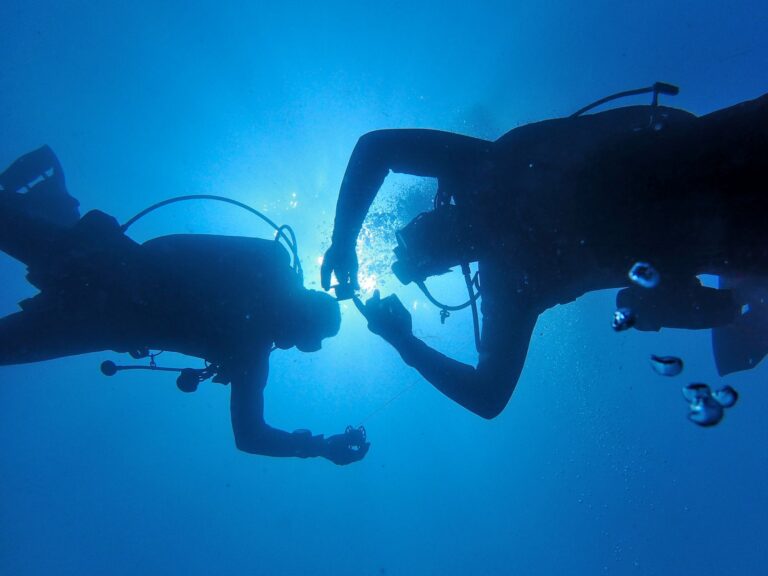
- Monitor your buddy for signs of shivering or confusion.
- Limit bottom time. Follow NDL tables or computer but add a margin.
- Watch your breathing. If you’re gasping, you’re working too hard.
- Avoid rapid ascents. Cold conditions can impair situational awareness.
- End the dive early if you or your buddy starts shivering uncontrollably.
Post-Dive
- Remove wet gear immediately.
- Dry off and put on warm, dry clothes.
- Drink warm fluids. Avoid alcohol for at least 2 hours.
- Gradually warm up. No hot showers for the first 30 minutes.
- Rest and stay warm for at least an hour before your next dive.
Frequently Asked Questions About Cold Water Diving and Health
Is it safe to dive in cold water if I have a medical condition?
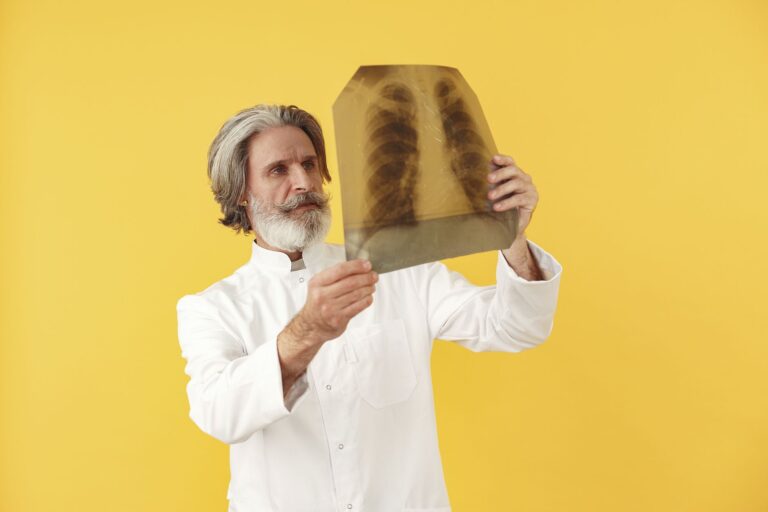
It depends on the condition. Cold water places additional stress on the cardiovascular system. If you have uncontrolled hypertension, heart disease, or a history of Raynaud’s phenomenon, consult with a dive medicine physician before diving in cold water. The same applies to anyone on medication that affects circulation or thermoregulation. Never assume cold water diving is safe just because you’ve done warm water dives.
How long should I wait after a cold dive to fly?
The standard recommendation for recreational divers is 12 hours for a single dive and 18 hours for multiple dives. For cold water dives, many dive medicine professionals recommend extending the surface interval to 24 hours before flying. This conservative approach accounts for the slower off-gassing associated with cold exposure. If you’re planning a dive trip that includes flying home, build in a full day without diving before your flight.
What is the ideal water temperature for cold water diving?
There’s no single ideal temperature. It depends on your exposure suit, your cold tolerance, and the dive profile. Most divers consider 10-15°C (50-59°F) as the “sweet spot” for cold water. Below 10°C requires a drysuit for most people. Below 5°C is where hot water suits or ice diving preparation becomes necessary. The safest approach is to match your gear to the temperature you’ll actually encounter, not the temperature you wish it would be.
Final Recommendations for Cold Water Dive Safety
Cold water diving can be incredibly rewarding, but it demands respect and preparation. The core principle is simple: understand the cold water diving health risks and plan accordingly. Invest in the right exposure suit for your diving frequency and conditions. Plan conservative dive profiles and be ready to call a dive early if you or your buddy shows signs of cold stress. Get proper trainingâa drysuit specialty course or a cold water diving workshop from a reputable agency like PADI or SSI will give you hands-on experience under supervision.
Finally, know your limits. If you’re uncomfortable, shivering, or unsure, don’t push through. The water will still be there tomorrow.
For those with underlying health concerns or who are new to cold water diving, consider consulting with a dive medicine professional before your next trip. Contact 1st Contact Travel Clinic to schedule an appointment for a pre-dive medical evaluation or cold water risk assessment. A single consultation can give you the confidence and the clear green light you need to dive safely.