Dive Medicine 101: How Divers Can Prevent Barotrauma
What Is Barotrauma and Why Should Divers Care?
Barotrauma happens when your body can’t keep up with pressure changes in air-filled spaces. For divers, that usually means the ears, sinuses, or lungs. It’s the most common dive injury out there â a significant portion of DAN reports involve it â and the good news is, it’s almost always preventable. This diver barotrauma prevention guide covers the practical steps that actually keep you out of trouble.
The physics isn’t complicated. As you descend, pressure increases. If you don’t equalize actively, the air in your middle ear, sinuses, and mask compresses, creating a vacuum that pulls fluid and blood into those spaces. On the way up, the opposite happens â trapped air expands. Understanding that is half the battle. This guide is for divers, from new to intermediate, who want solid habits and fewer injuries that could sideline them.
[IMAGE_1]
The Most Common Types of Barotrauma in Divers
Barotrauma isn’t just one problem. It shows up differently depending on which air space is involved. Catching symptoms early keeps things from getting worse.
Middle Ear Barotrauma
This is the most common type. It happens when the eustachian tube â the connection between your middle ear and throat â doesn’t equalize pressure during descent. You get pain, a feeling of fullness, muffled hearing, and sometimes fluid or blood behind the eardrum. A lot of divers shrug off mild symptoms, but repeating that can lead to a ruptured eardrum.
Sinus Barotrauma
Similar idea. Sinus barotrauma occurs when nasal passages or sinus openings get blocked â often from congestion or allergies. You’ll feel sharp pain above the eyes, behind the cheeks, or around the nose. A nosebleed after diving is a telltale sign. It’s less common than ear issues but can be really painful, and it usually means you shouldn’t have been in the water that day.
Pulmonary Barotrauma
Least common but most serious. This happens when you ascend too fast and gas in the lungs expands faster than you can exhale. Lung overexpansion can push air into the chest cavity (pneumothorax) or bloodstream (arterial gas embolism). Symptoms include chest pain, shortness of breath, and neurological issues like confusion or weakness. It’s a medical emergency. The key point? It’s rare, but nearly every case comes from panicked or uncontrolled ascents.
Bottom line: most barotrauma is preventable with good technique, awareness, and honest self-assessment before you dive.
Equalization Techniques That Actually Work
Equalization isn’t optional. It’s the most important skill for preventing barotrauma on descent. But not every method works for everyone.
Valsalva Maneuver
This is what most divers learn first: pinch your nose and blow gently against the pressure. It works for many, but it’s not ideal for all. The problem is, Valsalva increases pressure in your chest and head, which can strain blood vessels, and people often use it too hard. If you feel sharp pain, you’re overdoing it. A gentle, steady breath is what you want â not a sudden blast.
Toynbee Maneuver
Pinch your nose and swallow. This opens the eustachian tube by using the muscles around it while your tongue creates slight negative pressure. It’s gentler, and it works well for divers who don’t like the blowing sensation. Some people combine Toynbee with a light Valsalva during the swallow.
Frenzel Maneuver
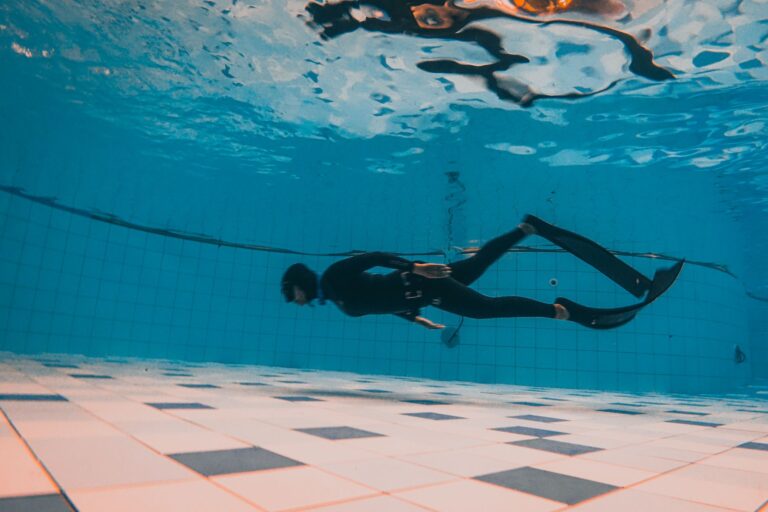
This is the gold standard for experienced divers and freedivers. Close your nostrils, then use the back of your tongue like a piston to push air up into the eustachian tubes. Your throat and chest stay relaxed. It’s more controlled, uses less force, and doesn’t create the same pressure strain as Valsalva. It takes practice, but once you master it, descending gets comfortable even on deeper dives.
Practical Timing
Start equalizing at the surface, before your head goes under. Keep going every few feet on descent. The common mistake is waiting until you feel pressure. By then, you’re often fighting a negative pressure lock. Equalize early, equalize often. If you can’t clear on the surface, don’t go deeper. Simple as that.
Common Mistakes
- Forcing equalization when it hurts. Stop, ascend a few feet, and try again.
- Descending too fast vertically. A slow, feet-first descent gives your tubes time to open.
- Diving with even mild congestion. If you can’t clear on the boat, you won’t clear at 40 feet.
Small things help too â chewing gum on the surface or yawning to open things up. Travelers who need extra assistance might look into ear equalization aids as a gentle way to prepare before descending. If you have persistent issues, tools like specialized earplugs or mask defoggers can reduce some of the hassle. They’re worth checking out if equalization is a constant struggle.
Why Speed of Descent and Ascent Matters
How fast you descend is the main driver of ear barotrauma. Drop too quick and your eustachian tubes can’t keep up. Once you get a block, it’s tough to clear. The fix is straightforward: control your descent. Use a reference line, fin slowly, and stay aware of depth. A well-weighted diver sinks gently, not like a rock. If you’re dropping fast, you’re probably carrying too much lead.
Ascent speed matters for lung safety. Rapid ascent is the leading cause of decompression sickness and pulmonary barotrauma. The rule is simple: ascend slower than your smallest bubbles. Use a dive computer with an ascent rate alarm. If it beeps, slow down. If you don’t have one, aim for 30 feet per minute or slower. A controlled ascent is non-negotiable. For divers without that alarm, a dive computer with an ascent alarm is a solid investment for safety.
[IMAGE_2]
Essential Gear for Barotrauma Prevention
Your equipment can make equalization easier â or harder. Here’s what matters most.
Mask
A low-volume mask clears more easily and puts less pressure on your sinuses. A high-volume mask with more air space needs more equalization effort, especially on descent. If your facial structure makes seals tricky, that can be a source of frustration. Many divers end up switching to a well-fitting frameless mask for comfort and lower volume.
Hood
In cold water, a hood can trap air against your ears, creating a buffer that helps with equalization. It’s not a replacement for technique, but it helps. For divers with sensitive ears, a properly fitted hood makes a big difference. Travelers heading to cooler waters might look for a diving hood with ear protection to improve comfort and reduce cold-related congestion.
Specialized Earplugs
Products like ProEars or Doc’s Pro Plugs slow the rate of pressure change in the ear canal, giving the eustachian tube more time to open. They filter pressure, not block it. They’re not for everyone, but for divers who struggle with rapid equalization or cold-water ear pain, they can help a lot. Getting the right size and seal is key â if they feel too tight on the surface, you’ll have problems below.
Weighting
Being over-weighted forces you to add more air to your BCD to stay neutral, making buoyancy control harder and descents faster. A correctly weighted diver can hover at depth with minimal air in the BCD. That allows a slower, controlled descent â which is the best equalization aid there is.
Dive Computer
An ascent rate alarm is a non-negotiable safety feature for preventing pulmonary barotrauma. Many modern computers also track depth profiles and can alert you to a too-fast descent. It’s not about the brand â it’s about having the feature.
Medical Considerations and Pre-Dive Prep
Your anatomy and how you feel on any given day set your risk. You can’t dive through a cold or allergy flare. If you can’t equalize on the surface by gently blowing against pinched nostrils, you won’t equalize at depth. That’s just how it works. Diving congested is the single most common cause of ear and sinus barotrauma.
Decongestants like pseudoephedrine can open things up temporarily, but they’re unreliable. Their effects can wear off underwater, when you can’t re-dose. If you rely on decongestants to dive, you’re accepting some risk. Many specialists recommend avoiding them for diving, except under specific medical guidance.
Pre-Dive Checklist
- Can I equalize both ears on the surface? Yes? Good. No? Do not dive.
- Am I congested? If yes, skip the dive or use a saline sinus rinse before going in.
- Have I done gentle equalization exercises (like yawning or swallowing) before entering to prep the eustachian tubes?
- Do I have a history of middle ear infections or eustachian tube problems? If so, consider a pre-dive check with a dive medicine specialist.
Common Mistakes Divers Make That Increase Risk
Learning from others’ mistakes is safer than making them yourself. Here are the most frequent ones I see.
1. Pushing Through Pain to Equalize
Pain is a warning, not something to fight through. If you get sharp ear pain on descent, stop, ascend a few feet, and try again gently. Forcing it causes more inflammation and makes things worse. I once saw a new diver rupture an eardrum because he kept trying a hard Valsalva at 30 feet instead of going up. The correct move is always to ascend.
2. Holding Your Nose and Blowing Too Hard
Aggressive Valsalva strains the inner ear. A gentle breath that lasts 2-3 seconds is enough. If you feel intense pressure in your head, you’re overdoing it.
3. Descending Too Fast
When you drop quickly, your eustachian tubes don’t have time to open. A slow, feet-first descent with frequent ear clearing is the foundation of prevention.
4. Diving While Congested
A mild cold or allergy attack isn’t a reason to skip a dive, but if you can’t clear on the surface, you’re setting yourself up for injury. Postpone. It’ll pass.
5. Not Equalizing on Ascent
Reverse block happens when expanding air gets trapped in the middle ear during ascent. It’s less common but just as painful. If you feel fullness in your ears on the way up, slow down, tip your head back, and swallow or yawn to open the tube.
When to Seek Medical Attention
Most minor barotrauma resolves on its own within a few days. But some symptoms need a doctor, ideally with dive medicine experience.
- Persistent ear pain lasting more than a few days
- Hearing loss or a feeling of fullness that doesn’t clear
- Blood or fluid draining from the ear
- Vertigo or dizziness after a dive (this can mean inner ear barotrauma)
- Chest pain, shortness of breath, or coughing up blood after an ascent
- Neurological symptoms like confusion, weakness, or speech problems (call emergency services immediately)
DAN has a 24-hour hotline staffed by dive medical professionals. If you’re unsure, call them. It’s free for members and they’ve handled it all. Better to ask than to ignore.
How This Applies to Different Dive Environments
The basics of prevention stay the same, but the risks shift depending on where you’re diving.
Deep Dives
Greater pressure change means your eustachian tubes have to work harder. Equalize early and often. If you feel a block at depth, don’t force it. Ascend to shallower water and try again. Taking extra time on descent is worth it.
Cold Water
Cold causes nasal congestion and makes sinuses more reactive. A hood is essential. For divers with sensitive ears, consider earplugs designed for diving. Use a freshwater sinus rinse before entry to clear passages.
Drift Diving
Fast currents can push your ascent or descent faster than intended. Brief your buddy on signals for ear issues. If you feel pressure, signal and slow down. The current won’t wait for your ears to clear.
[IMAGE_3]
Final Tips for Safer Diving and Barotrauma Prevention
Prevention is simple but takes discipline. Equalize early and often. Don’t dive with congestion. Control your descent speed. Invest in a well-fitting mask and hood. Learn the Frenzel maneuver if you consistently struggle. Consider a pre-dive check with a dive medicine specialist if you have ear concerns or a history of barotrauma.
Your ears will thank you, and you’ll have a much more comfortable, enjoyable time underwater. Safe diving.