Diving With Migraine Headaches: Triggers, Medication, and Clearance
Introduction
If you get migraines and you dive, you have probably wondered whether the two are compatible. The short answer is: they can be, but only with the right precautions, the right medication, and proper medical clearance. This article covers how scuba diving interacts with migraine headaches â the triggers that can set one off underwater, which medications are safe, and exactly how to get cleared to dive. If you have a history of migraines, or even just occasional ones, diving with migraine headaches is a topic you need to understand before your next trip.
[IMAGE_1]
Why Migraines and Scuba Diving Don’t Always Mix
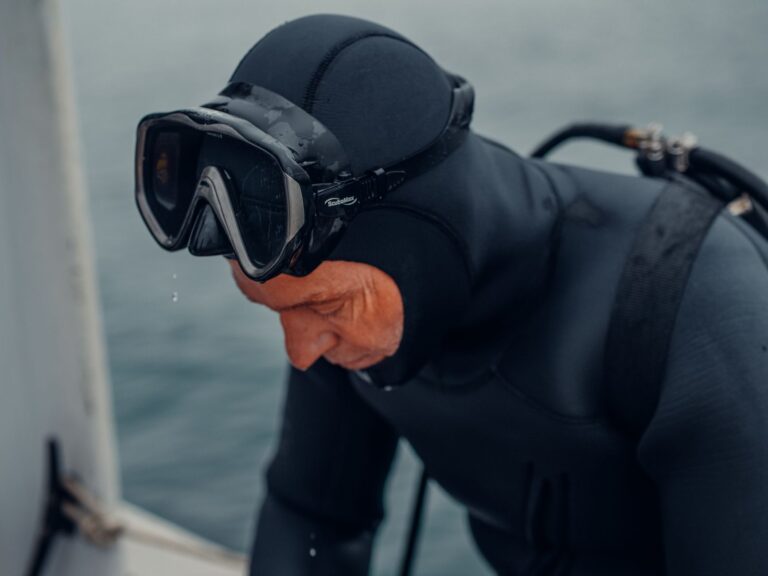
The core problem is that scuba diving can turn a migraine from an annoyance into a genuine safety hazard. Pressure changes are a well-known migraine trigger for some people, and rapid descent or ascent during a dive can provoke an attack. But the real concern goes beyond trigger management. A migraine underwater can mimic decompression sickness (DCS). Both can cause headache, nausea, dizziness, visual disturbances, and cognitive fog. If you are in the middle of a migraine at 18 meters, you might not be able to tell the difference. That confusion can delay critical decisions. Also, the cognitive impairment from a migraine â slowed thinking, poor concentration, disorientation â can be compounded by nitrogen narcosis. A mild migraine on the surface can become a severe, dive-ending event at depth. Ignoring it risks an uncontrolled ascent or missing the signs of a serious injury. For divers with a known migraine history, this is not about whether you can dive sometimes. It is about knowing when it is safe and when it absolutely is not.
Common Migraine Triggers for Divers
Diving introduces several migraine triggers that hit harder than everyday life. The most common ones you will face on a dive trip are:
- Dehydration. Pre-dive hydration is often neglected. You sweat on the boat, breathe dry air from your tank, and may not drink enough before splashing. Dehydration is a primary trigger. Mitigation: drink 500â750ml of water in the hour before a dive, and sip between dives. If staying on top of hydration is tough, an electrolyte rehydration solution added to your water can help.
- Bright surface glare. Tropical sun reflecting off calm water can trigger a migraine in susceptible people. Mitigation: wear polarized sunglasses between dives and during surface intervals. A good pair of polarized wraparound sunglasses cuts down that glare significantly.
- Physical exertion. Kicking hard against a current, heavy gear handling, and rough entries can spike blood pressure. That can trigger a vascular headache. Mitigation: stay fit, trim your gear properly, and take it slow.
- Lack of sleep. Dive trips often involve early mornings, loud boat engines, and unfamiliar beds. Sleep deprivation is a classic migraine trigger. Mitigation: prioritize sleep over that extra night dive.
- Caffeine withdrawal. If you normally drink coffee and switch to water on dive days, withdrawal can hit mid-trip. Mitigation: maintain your usual caffeine intake unless your doctor advises otherwise, but time it to avoid dehydration.
These triggers are more common than you might think among liveaboard divers. The combination of early starts, dehydration, and sun glare creates a perfect storm. If you know you are prone to migraines, you need to manage each of these proactively, not reactively. Self-assess before every dive: Am I hydrated? Well-rested? Has the sun glare been manageable? If the answer to any of these is no, sit the next dive out.
Can You Dive If You Have a History of Migraines?
For most people with well-controlled migraines, the answer is yes â with clearance. But it depends heavily on the type and frequency. A person who has one or two migraines per year without aura is at much lower risk than someone who has chronic migraines with visual or sensory aura several times a month. The critical factor is the presence of aura. Aura often presents as visual disturbances â flashing lights, blind spots, wavy lines â that begin before the headache phase. If that happens underwater, you lose the ability to monitor your depth, your buddy, and your gas supply. That is incredibly dangerous. Even if you have not had a migraine in months, a single pre-dive aura symptom should ground you.
There is no blanket yes or no. The rule is simple: if your migraines are infrequent, predictable, and well-managed with safe medication, you can usually dive. If they are frequent, involve aura, or require strong medications, you need a specialist to weigh the risks. Never self-clear yourself just because you feel fine that morning.
[IMAGE_2]
Medication Safety: What You Can and Cannot Take Before a Dive
This is where most divers get confused. Not all migraine medications are equal underwater. Here is a breakdown of common ones and their dive safety:
Triptans (sumatriptan, rizatriptan, zolmitriptan). Generally avoid diving after using a triptan. These drugs constrict blood vessels, which can theoretically increase the risk of DCS by altering perfusion. They also cause drowsiness and dizziness in some people. Many diving physicians recommend a 24- to 48-hour no-dive interval after taking a triptan. Never take one and enter the water the same day.
NSAIDs (ibuprofen, naproxen). Generally considered safe for post-dive use. They can help with mild headache and inflammation. The main risk is dehydration if taken long-term, but occasional use is fine. Do not take before a dive as a preventive measure unless your doctor says so.
Opioid-based medications (codeine, tramadol, morphine). Never. These cause sedation, respiratory depression, and impaired judgment. They are not compatible with diving.
Anti-nausea medications (ondansetron, metoclopramide). Ondansetron is acceptable for post-dive nausea. It does not cause drowsiness like dimenhydrinate (Dramamine) can. Keep it in your kit for use after a dive if needed.
Preventive medications (beta blockers, anticonvulsants, CGRP inhibitors). These are used daily and generally considered safe for diving if they do not cause sedation. However, you must discuss them during your medical clearance. Never assume they are fine just because they are prescribed.
The golden rule: never take a new medication for the first time on a dive trip. You do not know how your body will react. Also, always carry your own medication in your dive bag in a waterproof medication case. A migraine can hit during a surface interval, and the boat may not have what you need. Be self-sufficient.
How to Get Medical Clearance for Diving With Migraines
Getting cleared to dive with a history of migraines is straightforward if you follow these steps:
- Check the RSTC Medical Form. Question 7 on page 2 asks about “frequent or severe headaches including migraines.” If you answer yes, you need a physician’s signature before you can dive.
- See a diving physician. A general practitioner (GP) may not understand dive-specific risks. You need a doctor trained in diving medicine. They will evaluate your neurological health, medication profile, and trigger control.
- Bring documentation. Bring a list of your medications (dosages and frequency), a note from your neurologist if you have chronic migraines, and a record of how often migraines occur and what triggers them. The more information the doctor has, the better their assessment.
- What the doctor evaluates. They will check whether your migraines are well-controlled, whether your medications are dive-safe, and whether you have any neurological symptoms that could be dangerous underwater. They will also consider your overall fitness to dive.
The Divers Alert Network (DAN) provides clear guidelines: divers with migraines can be cleared if attacks are infrequent, do not involve aura, and are treated with medications that do not impair cognitive function or increase DCS risk. Your doctor will use these same principles.
Ready to get cleared? Book your medical clearance appointment with 1st Contact Travel Clinic here.
Diving With a Migraine vs Diving With a Sinus Headache: A Quick Comparison
These are two different problems that require completely different responses. Here is how to tell them apart:
- Migraine. Neurological origin. Often accompanied by aura (visual changes), nausea, photophobia, and throbbing pain. Not helped by decongestants. Can impair cognition. Do not dive.
- Sinus headache. Pressure-related. Pain is localized to the forehead or cheeks, worsens with head movement or descent. Resolves or improves after equalizing. Helped by pseudoephedrine. Usually safe to dive after the congestion clears and if you can equalize freely. Dive only after symptoms resolve and you can equalize without pain.
If you are not sure which one you have, do not risk it. A misdiagnosis underwater is dangerous. If you have even a slight doubt, sit the dive out. Your safety is worth more than any dive.
[IMAGE_3]
What to Do If You Feel a Migraine Coming On During a Dive
This protocol could save you from a serious incident. The steps are simple but must be followed without hesitation:
- Signal your buddy immediately. Use the “out of air” or “problem” signal. Then begin a controlled ascent. Do not skip the safety stop if your gas allows it, but do not stay down longer than necessary.
- Do not wait to see if it passes. A migraine does not get better in the middle of a dive. It gets worse. Continuing the dive hoping you will feel better is one of the most dangerous things you can do.
- Once on the surface or back on the boat, act immediately. Remove your gear, sit down in the shade, hydrate, and take your approved medication (if you have it). Rest for at least three to four hours before even considering another dive.
- Inform the dive master. They need to know so they can keep an eye on you for signs of something more serious. Do not downplay it.
A migraine underwater can mimic a mild DCS hit â headache, nausea, dizziness, fatigue. If you develop any of these after a dive, especially if they persist or worsen, seek medical evaluation. It is better to be checked and cleared than to assume it is just a headache.
Managing Migraines on a Dive Trip: Gear and Preparations
Preparation is your best defense. Here is a practical pre-trip checklist for divers with a history of migraines:
- Polarized sunglasses. Reduce surface glare significantly. Look for wraparound styles that block peripheral light. Amazon has reliable options starting around $30.
- Wide-brimmed hat. Keeps the sun off your face and eyes during surface intervals. Lightweight and packable ones are best.
- Rehydration tablets. Brands like Nuun and Liquid IV contain electrolytes that help you stay hydrated. Add one to your water bottle before each dive.
- Waterproof medication case. A small, hard-sided case that keeps your meds dry. It goes in your dive bag, not in a hotel safe. You need access at all times.
- Hydration log. Sounds excessive, but writing down how much water you drink pre-dive can help you spot patterns. If you always get a headache after a 3-dive day, you might not be drinking enough between them.
These are simple, cheap additions to your kit. They are worth it if they prevent even one migraine during a trip.
Common Mistakes Divers Make With Migraines
Here are five mistakes I see divers make repeatedly, along with a one-liner correction for each:
- Mistake 1: Diving after a migraine that resolved the same day. Correction: The risk of recurrence is high, especially if the trigger (dehydration, sleep deprivation) is still present. Wait at least 24 hours.
- Mistake 2: Not telling the dive operator. Correction: The dive master needs to know so they can watch for warning signs and respond quickly.
- Mistake 3: Using a triptan just before a dive to “prevent” a migraine. Correction: Do not dive within 24 hours of taking a triptan. The medication alters your physiology and can mask symptoms.
- Mistake 4: Confusing a migraine with sinus congestion. Correction: If you cannot reliably tell the difference, do not dive until you see a doctor.
- Mistake 5: Assuming “it’s just a headache.” Correction: A headache underwater or immediately after a dive is never just a headache. Assume DCS until proven otherwise.
These errors come from overconfidence and a desire not to miss a dive. I understand. But a single mistake can ground you for days or lead to a chamber visit. It is never worth it.
Post-Dive Migraine: What’s Normal and What’s Not
Post-dive headaches happen. Dehydration, mild CO2 buildup from skip breathing, or mask squeeze can all cause a tension-type headache. These usually respond to rest, water, and ibuprofen within an hour or two. Not a concern. What is concerning is a post-dive migraine that comes with aura, nausea, vomiting, or that does not respond to standard treatment. If your headache is severe, accompanied by visual changes, numbness, weakness, or confusion, you need to go to a recompression chamber for a neurological evaluation. Do not drive yourself. Do not wait it out. Even if it is a migraine and not DCS, the only safe way to confirm is with a proper medical assessment. When in doubt, the chamber is the right place.
Book Your Medical Clearance With 1st Contact Travel Clinic
If you have a history of migraines and want a thorough, dive-specific pre-travel check, book an appointment with our specialists. We will review your triggers, medication, and medical history to give you a clear go or no-go. No guesswork, no assuming. Just a safe, informed decision so you can dive with confidence.