Diving After COVID-19: When Is It Safe to Return?
Introduction
Getting back in the water after COVID-19 isnât the same as shaking off a cold. The virus can hit your lungs and heart, and both get pushed hard during a dive. This article covers the practical, medically-informed steps for figuring out when itâs safe to return, what checks you should consider, and how to handle those first dives after infection. Itâs focused on diving after covid 19 safety, from a practical angle, without trying to scare you. If youâve recovered and are itching to get back underwater, this is aimed at you. Weâll look at what the medical guidance actually says, what tests matter, and how to avoid a dangerous setback.
[IMAGE_1]
Why COVID-19 Poses Specific Risks for Divers
Scuba diving puts real demands on your respiratory and cardiovascular systems. Youâre breathing compressed gas at depth, which changes how your body handles oxygen and gets rid of carbon dioxide. Add pressure changes that directly affect lung tissue. COVID-19 can damage the lungs in ways that mess with gas exchange efficiency. In more serious cases, it can cause fibrosis, making lung tissue stiffer. Even mild infections can leave behind some inflammation that reduces how well oxygen moves through.
The virus also has a known thing for cardiovascular tissue. Myocarditis, or inflammation of the heart muscle, is a documented complication even in otherwise healthy people. That matters because diving can increase the workload on your heart, especially when finning against a current or hauling heavy gear. Arrhythmias, or irregular heartbeats, are another post-viral issue. A dive stress test or ECG might look fine at rest but turn problematic under exertion or during a rapid ascent.
Breath-hold diving adds another layer. The urge to breathe is driven by CO2 buildup, but COVID can affect your chemoreceptors response, meaning you might not feel the normal warning signs of hypoxia or hypercapnia. Thatâs a silent risk. The goal isnât to scare you but to explain why feeling fine on land doesnât mean youâre safe underwater. Objective medical clearance is the only reliable way to confirm your systems are ready for the stress of diving.
General Recovery Timeline: How Long Should You Wait?
Thereâs no one-size-fits-all answer, but the medical community has general guidelines based on how severe your symptoms were. These are starting points, not guarantees. Everyone recovers differently.
For mild cases where symptoms lasted a few days with fever and no real respiratory distress, a minimum of 2 to 4 weeks from the date of symptom onset is reasonable before even thinking about a dive medical. You need to be symptom-free for at least a week before that window starts.
For moderate cases where you had shortness of breath at rest, a persistent cough, or needed supplemental oxygen at home (but werenât hospitalized), the timeline extends to 6 to 8 weeks. Some specialists recommend 8 weeks to be safe, especially if you had fever for more than five days.
For severe cases involving hospitalization, ICU stay, or significant lung inflammation, the timeline is 3 to 6 months or longer. In these situations, a full pulmonary workup is mandatory before any discussions about diving can start. You also need to realize that recovery from severe illness is often slow, and your exercise tolerance may take months to rebuild.
Itâs important to understand that these timelines arenât a license to dive. Theyâre the earliest point at which you should start the medical clearance process. Donât book a dive trip based on a calendar date alone. The date doesnât know how your lungs are healing.
Why a Full Medical Clearance Is Non-Negotiable
Returning to diving without a doctorâs sign-off is a serious mistake. The most common error divers make is assuming that because they feel normal walking around, theyâre fit to dive. COVID-19 can cause silent damage, meaning your lung function can be reduced by 15 to 20 percent without you really noticing during daily activities. That becomes critical underwater where your oxygen consumption is higher and your breathing resistance is greater because of the regulator.
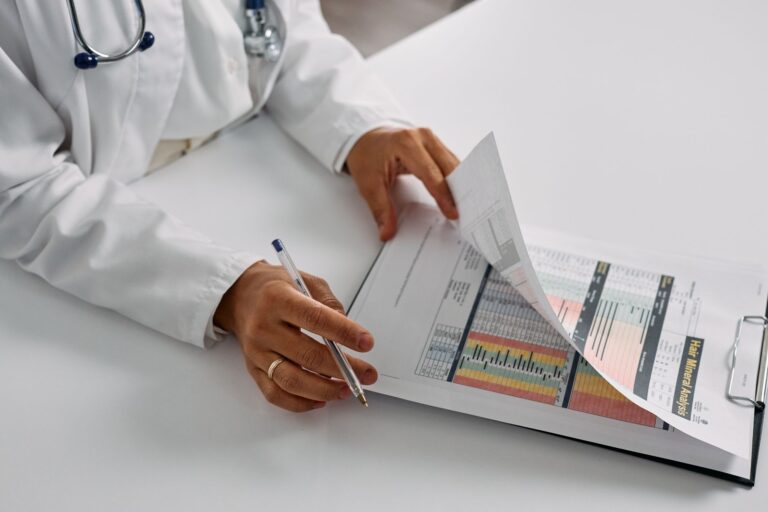
A proper dive medical goes beyond listening to your chest. It involves objective tests that measure lung volumes, how fast air moves in and out, and how your heart handles exercise. Spirometry is the standard first test. An ECG at rest and during exercise is important to rule out arrhythmias or ischemia. Your doctor should also check your blood oxygen saturation at rest and after gentle exertion. For tracking your saturation at home between appointments, a reliable pulse oximeter can be useful for monitoring your recovery progress.
Contrast that with just feeling fine. Many divers who returned too quickly reported fatigue, reduced bottom time, and a feeling of air hunger on deeper dives. Those are signs they werenât ready. A dive medical gives you the confidence that youâre not risking injury or worse. It also gives you a baseline for future health. See a dive medicine specialist if you can, not just a general practitioner who may not understand the specific demands of scuba.
Key Medical Assessments to Ask Your Doctor About
Go into your medical appointment prepared. Here are the specific tests you should ask about and why they matter for diving.
- Spirometry: This tests how much air you can exhale and how forcefully. It checks for restrictive or obstructive patterns that could reduce your ability to clear CO2 or absorb oxygen at depth.
- Chest X-ray or CT scan: If your symptoms were moderate or severe, imaging can reveal residual inflammation, fibrosis, or ground-glass opacities that might not resolve for months. A CT scan is more sensitive than an X-ray for minor changes.
- Electrocardiogram (ECG): A resting ECG checks for rhythm abnormalities and signs of myocardial injury. If you had chest pain or palpitations during your illness, this is essential.
- Echocardiogram: This ultrasound looks at your heart muscle function, valve function, and any fluid around the heart. Myocarditis can cause subtle changes that an ECG might miss.
- Blood oxygen saturation: Measured at rest and after a six-minute walk test. A drop in saturation during exercise suggests your lungs arenât exchanging oxygen efficiently enough for the demands of diving.
- Six-minute walk test: This is a simple, practical assessment. You walk for six minutes, and your oxygen saturation, heart rate, and shortness of breath are tracked. If your oxygen levels dip, thatâs a clear red flag.
Donât hesitate to request these tests. A good dive doctor will order them based on your history. If you feel brushed off, find another doctor who understands dive medicine.
Watch Out for Persistent Symptoms: A Red Flag Checklist
Before you book a medical appointment, self-assess honestly. If any of these symptoms persist, youâre not ready to dive and should seek medical evaluation first.
- Shortness of breath with mild exertion, like climbing stairs or walking up a gentle hill
- Chest pain or tightness, even if it comes and goes
- A persistent cough, particularly if it produces phlegm or causes discomfort
- Unexplained fatigue that makes you feel wiped out after light activity
- Heart palpitations or a feeling that your heart is racing, fluttering, or skipping beats
- Lightheadedness or dizziness, especially when you stand up quickly
- Reduced exercise tolerance compared to before your illness, such as not being able to swim your usual distance without stopping
These symptoms indicate that your body hasnât fully recovered. Diving with any of them increases your risk of a diving emergency. Be honest with yourself. Thereâs no shame in waiting longer. The ocean will still be there.
[IMAGE_2]
When to Consider a Gradual Return to Diving
Even after youâve been medically cleared, your first few dives should be conservative. Treat it like returning to any sport after an injury or illness. You wouldnât run a marathon after a chest infection. Same principle here.
Start with shallow dives in calm, warm water. Avoid strong currents, cold water, or any conditions that demand high exertion. Limit your dive time to 30 to 40 minutes, even if your computer allows longer. Stay well within your no-decompression limits. Monitor your breathing and heart rate throughout the dive. If you feel yourself breathing harder than normal for the workload, ascend slowly and end the dive.
Dive with a buddy who knows youâre post-COVID. They need to understand that you may tire faster than usual. A good buddy can watch for signs of distress you might miss. Donât push your limits. If you feel fatigued on the surface before a dive, sit that one out. Thereâs no penalty for being cautious.
Gradually increase your depth and dive time over several outings, paying attention to how you feel during and after each dive. If you experience any unusual fatigue, shortness of breath, or chest discomfort after a dive, take it as a sign to step back and reconsider your readiness.
Equipment Considerations to Make Your First Dives Safer
Your gear can make a real difference in how much energy you use underwater. Reducing physical strain is smart after any significant illness.
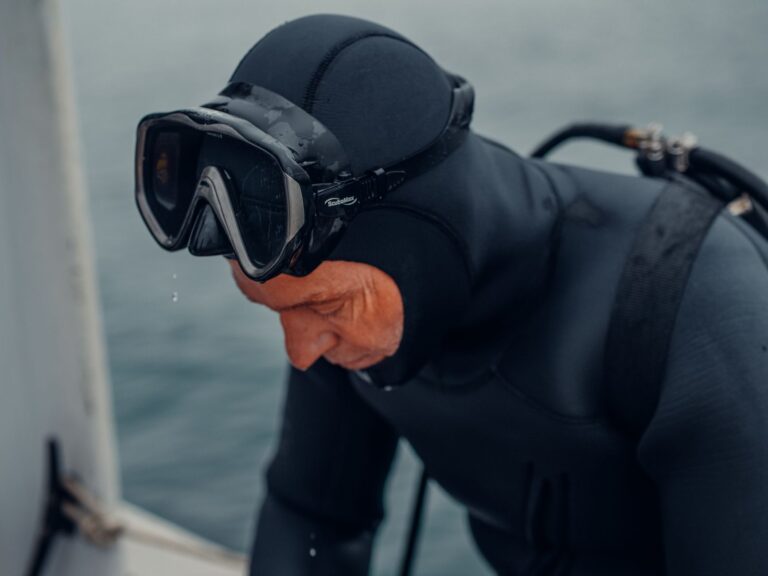
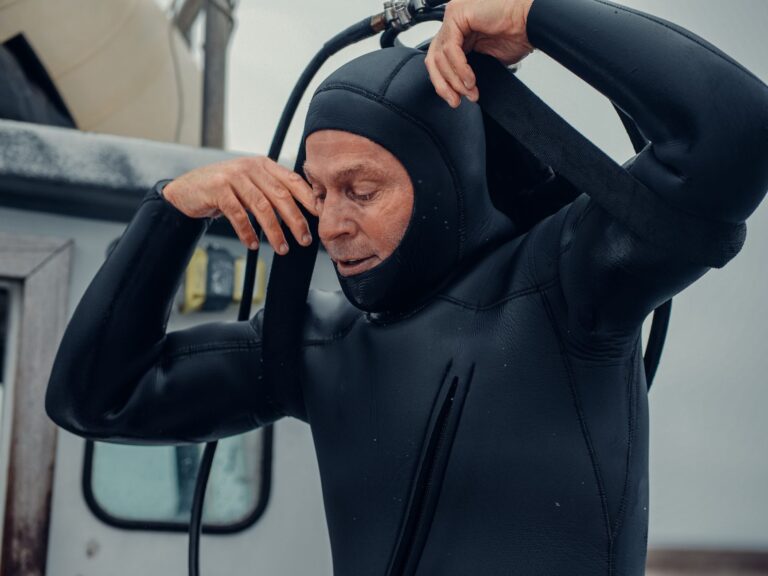
Using a well-fitted wetsuit or semi-dry suit that minimizes shivering is important. Shivering increases your oxygen consumption and heart rate. If you tend to get cold, a semi-dry wetsuit or a drysuit is a worthwhile investment for your first dives back. Keeping warm significantly reduces the metabolic load on your body.
A BCD that fits properly and is easy to use helps you maintain buoyancy without unnecessary effort. Make sure your weight system is easy to ditch quickly. Being overweighted is a common problem that increases exertion and air consumption. After COVID, your tolerance for extra work is lower. Get your weight checked by an instructor if youâre unsure.
If your doctor approves it and youâre trained, using nitrox can provide longer no-stop times and potentially reduce fatigue. But thatâs secondary to the core safety practices. A dive computer with clear displays that you can read without effort is helpful, so you can focus on your breathing rather than fiddling with controls.
DAN Insurance: A Safety Net Worth Having
After any medical history, dive insurance becomes even more important. The Divers Alert Network (DAN) offers coverage specifically designed for scuba divers. Their plans cover decompression illness, hyperbaric treatment, emergency evacuation, and travel-related medical costs. Standard travel insurance almost always excludes diving-related claims, so a dedicated policy isnât optional if youâre serious about safety.
DAN also operates a 24-hour medical information line staffed by dive medicine professionals. Thatâs a valuable resource if you have questions about your health or need advice while traveling. If youâre post-COVID, having that support can provide some peace of mind. Itâs a practical safety net, not just insurance paperwork. Consider it part of your return-to-diving plan.
COVID-19 and Dive Travel Logistics
If youâre planning a dive trip after recovery, factor in practical travel considerations. Many countries still have health requirements for entry, which can change quickly before your departure. Always have your medical clearance letter ready and stored digitally and in paper form. Some dive operators, especially liveaboard boats or remote resorts, may ask for proof of fitness to dive if they know about your recent history.
Carry a positive test result that is accepted for travel purposes. Even if youâve recovered, a test or proof of vaccination is required for many destinations. Plan for the possibility of testing positive again while abroad. Having a backup plan for isolation and trip cancellation coverage is smart. Donât rely on your dive operator to handle medical logistics. You need to be self-reliant.
[IMAGE_3]
Check the specific entry requirements and health advisories for your destination. Some remote locations have limited medical facilities, which makes it even more important to be fully cleared before you go.
Common Mistakes to Avoid When Returning After COVID-19
Divers make predictable mistakes when returning after illness. Awareness helps you avoid them.
Mistake 1: Rushing back based on feeling fine. This is the most common. Feeling normal on land means little underwater. Objective tests are necessary.
Mistake 2: Not getting lung function tested. Many people skip spirometry because they can breathe fine. Thatâs a gamble you shouldnât take.
Mistake 3: Diving overweighted. After illness, your cardio fitness may be lower. Extra weight increases finning effort, air consumption, and fatigue. Get your weighting checked.
Mistake 4: Ignoring mild symptoms during or after a dive. If you feel unusual shortness of breath, chest tightness, or extreme fatigue after a dive, treat it seriously. Donât brush it off as being out of shape.
Mistake 5: Not telling your buddy or instructor. Keeping your history private removes the chance for others to watch out for you. Honesty is a safety tool.
The Bottom Line on Diving After COVID-19
The key takeaways are straightforward. Wait based on the severity of your illness. Get a full dive medical clearance from a qualified doctor. Do a gradual return to diving. Listen to your body throughout the process. The ocean isnât going anywhere. Taking an extra month or two to make sure youâre fully healed is far better than risking your health or your life for a quick dive.
If youâre unsure about your readiness, book a dive medical at 1st Contact Travel Clinic. Their doctors are experienced in dive medicine and can provide the clearance you need. Use the resource if it helps, but the most important thing is to make your decision based on medical fact, not on impatience. Diving should be a lifelong pursuit, not a race back to the water.