Diving With Motion Sickness: Prevention and Boat-Day Planning
Introduction
Few things can ruin a dive trip faster than spending the boat ride leaned over the rail. If motion sickness is part of your life, the ocean can feel like a problem instead of an invite. This article is for divers who deal with seasickness and want practical ways to handle itâwhether you’re new, booking a liveaboard, or have skipped certain trips because you’re worried about getting sick.
Diving with motion sickness is real, but it’s manageable with the right prep. I’ve worked with divers who thought a multi-day trip was out of reach, only to finish it comfortably with a smart medication plan and some lifestyle tweaks. The goal here isn’t to sell a miracle cureâit’s to give you a reliable system so motion sickness doesn’t call the shots on your dive schedule.
We’ll cover medication options, boat-day logistics, what to eat, and how to handle symptoms if they show up. This is about planning ahead and making good choices so you can focus on the diving.
[IMAGE_1]
Why Diving Makes Motion Sickness Worse
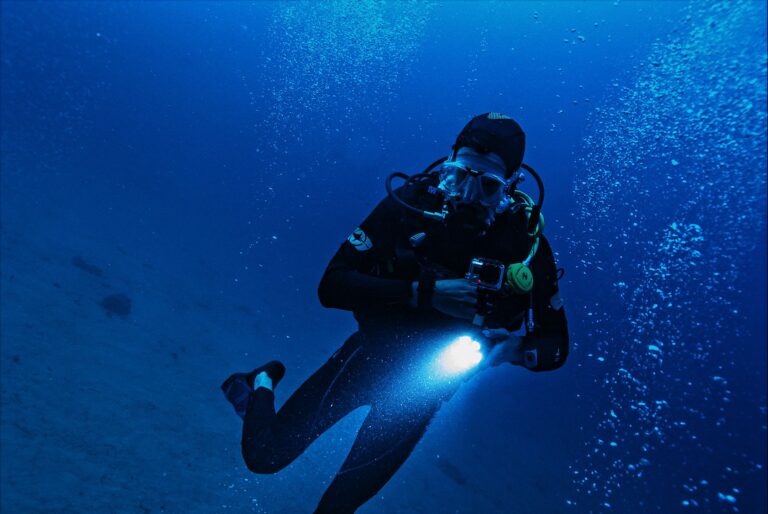
Motion sickness happens when your brain gets mixed signals from your eyes, inner ears, and body. On a dive boat, that mix-up gets amplified. The boat rocks on the surface, but your inner ear senses movement your eyes might missâespecially if you’re below deck or reading a dive table. Once you’re underwater, the motion can still affect you, and some divers feel worse at depth because they can’t see the horizon to steady themselves.
I’ve seen divers who’re fine on the boat but feel queasy at depth. The opposite happens tooâsome handle the boat well but get symptoms during descent. The reason is the same: your vestibular system is working hard to adapt to an unstable environment.
Understanding this helps you take prevention seriously. It’s not just about the boat rideâit’s how your body handles the whole dive experience. Knowing your own tolerance matters more than memorizing anatomy. Some divers need medication every time. Others only need it on rough days. The point is to have a plan, not to wing it.
A Step-by-Step Boat-Day Plan for Divers With Motion Sickness
The day of a dive trip is where good habits pay off. Here’s a sequence that works for many divers, based on what I’ve seen in the field.
- Timing of medication: If you’re taking something like meclizine or a scopolamine patch, take it the night before or two hours before departureâfollow the specific instructions. Never wait until you’re on the boat.
- Light meal: Eat something small and bland one to two hours before boarding. A banana, plain cereal, or crackers work fine. Avoid heavy, greasy, or spicy food.
- Hydration: Sip water throughout the morning. Don’t chug a bottle right before the boat leaves. Being hydrated helps, but a full stomach makes nausea worse.
- Arrive early: Get to the boat early to grab a spot on the lower deck toward the center. Avoid the back or bow where motion is strongest.
- On the boat: Sit facing forward and focus on the horizon. Don’t read, look at a phone, or go below deck once the boat is moving. If you need to close your eyes, do it while facing the bow.
- Post-dive recovery: After surfacing, stay seated if you feel queasy. Have a ginger chew or plain water. Don’t rush to eat or drink anything heavy until the boat stops moving.
- Avoid alcohol: Skip alcohol the night before and during the day. It dehydrates and worsens nausea.
Many divers rely on non-medication tools like travel ginger chews or acupressure bands as an extra layer. These don’t replace medication for moderate to severe cases, but they can take the edge off.
Medication Options: What Works and What to Know
Not all motion sickness medications are the same. The wrong choice can make you drowsy or cause side effects that affect your safety underwater. Here’s a breakdown of the most common options.
Meclizine (Bonine): This is a good starting point for most divers. It causes less drowsiness than Dramamine and lasts about 24 hours. I recommend it for day trips or shorter liveaboard legs. Take it the night before or early morning.
Dimenhydrinate (Dramamine): Effective but causes significant drowsiness for many people. Test it at home before your trip. Don’t try it for the first time on a dive dayâthe drowsiness can be dangerous underwater if it affects your focus.
Scopolamine patches (Transderm Scop): A prescription option for long boat rides or multi-day liveaboard trips. The patch goes behind your ear and lasts up to three days. It works very well for many divers, but some report dry mouth, blurred vision, or dizziness. I’ve seen divers use it successfully for their entire dive course, but test it before relying on it.
Ginger supplements: A natural non-drowsy option, though less effective for moderate to severe seasickness. It can be a good backup or supplement to medication. I keep ginger chews in my kit for peace of mind.
Talk to a dive doctor before starting any medication if you have underlying health conditions or take other prescriptions. The key is to test everything during a short boat ride before committing to a full dive trip.
Non-Medication Prevention Techniques That Actually Work
Medication is often the most reliable option, but non-drug methods have their placeâespecially for mild cases or as an extra layer. Here are the techniques I’ve seen work in practice.
- Acupressure bands (P6 point): These wristbands apply pressure to a point thought to reduce nausea. The evidence is mixed, but some divers find them helpful. They’re inexpensive and worth trying. I use them as a backup on days when I’m not on medication.
- Ginger: Chewing ginger candy or taking ginger capsules can settle the stomach without side effects. It’s not a cure, but it helps take the edge off. I always bring a small bag of ginger chews on liveaboard trips.
- Controlled breathing: When you feel symptoms start, slow down your breathing. Inhale for four counts, hold for four, exhale for four. This calms the nervous system and reduces nausea.
- Avoid visual triggers: Don’t read, look at screens, or stare at moving objects. Focus on the horizon or close your eyes.
- Stable inner ear: Keep your head still. Avoid turning it sharply, which aggravates motion sickness.
These methods aren’t foolproof. For moderate to severe motion sickness, they’re supplementsânot replacements for medication. But they add no side effects and are easy to pack.
[IMAGE_2]
What to Eat (and Avoid) on Dive Days
What you eat directly affects how your stomach handles boat motion. A heavy meal before a dive is a fast track to trouble. Here’s what I advise divers on trips.
Foods to eat: Plain crackers, bananas, dry toast, plain cereal, applesauce, and electrolyte drinks. These are easy to digest and provide steady energy. I always pack a small container of plain crackers and a banana for early mornings on the boat.
Foods to avoid: Greasy food, spicy dishes, heavy proteins, large portions, and anything with strong flavors. Also limit caffeineâit can dehydrate and stimulate the stomach.
When to eat: Eat a light meal one to two hours before boarding. Don’t eat right before the boat starts moving. On the boat, eat small snacks if you feel hungryâdon’t go hungry either.
Hydration: Sip water throughout the morning. Don’t gulp large amounts. Dehydration worsens nausea, but overhydration fills your stomach in a way that makes vomiting more likely.
If you’re nervous about eating, stick to bland snacks you’ve tested before. A liveaboard trip isn’t the time to experiment with unfamiliar food.
Choosing the Right Boat and Seat to Minimize Sickness
Boat choice matters more than most divers realize. Not all dive boats handle the same way, and where you sit can make or break your day.
Boat type: Larger vessels and catamarans are more stable than smaller monohulls. If you have a choice, book a bigger boat. Catamarans also have less roll, making them a good option for sensitive divers.
Cabin selection on liveaboards: Cabins in the bow move more than those in the middle of the ship. Choose a cabin near the center line and on a lower deck if possible.
Seating during transit: Sit toward the center of the boat, on the lower deck, and face forward. Avoid the back near the engine (fumes and more movement) and the bow (more up-and-down motion). If you’re prone to sickness, get to the boat early to claim this seat.
Scheduling: Early morning trips often have calmer seas. If you can, book a morning departure. Check wind and swell forecasts, and call the operator to ask about expected conditions.
Some operators let you note motion sickness preferences when booking. If you’re booking through an affiliate or third-party site, look for boats with stabilizers or larger hulls. A good boat day is as much about logistics as it is about medication.
Dealing With Motion Sickness During a Dive: Immediate Steps
Even with good planning, symptoms can appear underwater. It’s stressful, but it doesn’t mean you need to panic. Here’s what to do.
- Stop moving: Hover in place and minimize finning. Motion worsens nausea.
- Slow your breathing: Take slow deep breaths through your regulator. This calms your nervous system and can reduce nausea.
- Check your depth: If you’re shallow, consider ascending a few feet. A small change in pressure sometimes helps.
- Signal your buddy: If symptoms don’t improve, signal that you need to end the dive. Don’t push throughânausea can progress to vomiting underwater, which is dangerous.
- Make a safe ascent: Ascend slowly with your buddy and do a safety stop if depth allows. Once at the surface, focus on your breathing and signal the boat if you need help.
I once had to abort a dive because a diver couldn’t stabilize their breathing due to motion sickness. They were headachy and disoriented. Ending the dive early was the right call. There’s no shame in acknowledging your limits. A safe abort is always better than a panicked emergency.
Mistakes to Avoid When You Have Motion Sickness
I see the same errors repeated. Avoiding these will instantly improve your dive day.
- Taking medication too late: Waiting until you’re on the boat to take Dramamine guarantees it won’t work in time. Take it well before departure.
- Not hydrating enough: Dehydration worsens nausea. Drink water all morning, not just at the dock.
- Eating nothing at all: An empty stomach is also a problem. Even a small snack helps.
- Staying in a stuffy cabin: Going below deck before the boat is moving traps you in a confined space with little air circulation. Stay on deck facing forward.
- Ignoring early symptoms: Nausea usually builds gradually. If you feel queasy on the boat, change your seat, focus on the horizon, and take a ginger chew. Don’t wait for it to get worse.
- Relying on one method: A single technique rarely works for everyone. Combine medication with seat choice, food planning, and non-medication methods for best results.
Discipline matters more than luck. A few minutes of proactive planning prevent hours of misery.
Building a Personal Motion Sickness Kit for Dive Trips
A small kit kept in a waterproof pouch gives you peace of mind. Here’s what I include.
- Medication: Your preferred option (meclizine, Dramamine, or scopolamine patch) plus a backup dose
- Ginger chews or capsules
- Acupressure bands
- Small towel or bandana
- Barf bags or small plastic bags
- Electrolyte tablets for rehydration
- Plain crackers in a sealed bag
Most of these items are affordable and widely available online. A kit like this costs under $30 if bought from drugstores or Amazon. It saves you from scrambling on the boat when symptoms start.
[IMAGE_3]
How Chronic Motion Sickness Affects Dive Training and Certification
If you’re a new diver or pursuing advanced certifications, motion sickness raises real concerns. Will it prevent you from completing your course? Not necessarily, but it requires planning.
Open water dives are the biggest challenge because you’re in the ocean for the first time. Pool sessions are less of an issue because there’s no swell. I’ve taught divers who used scopolamine patches successfully through their entire certification course. They were upfront about their motion sickness, and we worked out a plan.
For rescue training or deep diver courses, symptoms can interfere with performance. Aborting a dive isn’t a failureâit’s a safe decision. Instructors see this happen and would rather you call a dive than push through a bad situation.
The bottom line is that motion sickness doesn’t disqualify you from diving. It just means you need to be honest about it, test your methods in calm conditions first, and communicate with your instructor or dive master. Many experienced divers live with it and manage it well.
Final Checklist for Your Next Dive Trip
Here’s your quick reference for a smoother dive day.
- Choose a stable boat and sit center/lower deck
- Eat a light meal 1-2 hours before boarding
- Stay hydratedâsip water, don’t chug
- Take medication on time (night before or two hours before)
- Pack your motion sickness kit
- Focus on the horizon, avoid screens and reading
- Know your limitsâend the dive if symptoms worsen
With the right planning, motion sickness won’t keep you from enjoying the underwater world. You can manage it without fuss and without drama. Just start early, be consistent, and trust your preparation. Your next dive trip is waiting.