Diving With Epilepsy: Medical Reality and Safety Considerations
Introduction
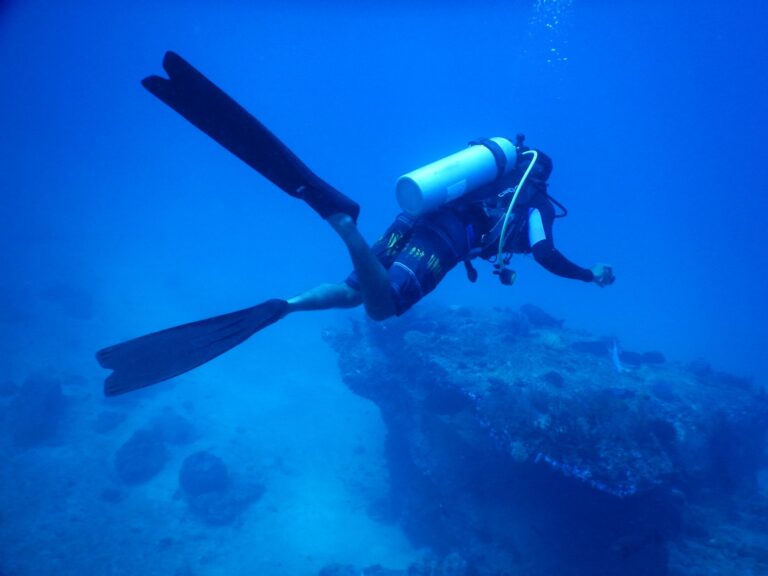
Scuba diving with epilepsy involves serious medical and safety considerations. This article is for divers living with epilepsy, instructors who might encounter this situation, and anyone who wants the facts without the drama. We’ll focus on medical reality, risk assessment, and what diving with epilepsy considerations actually look like based on established dive medicine guidelines from DAN, BSAC, and PADI. The goal is to offer a grounded perspective that helps you make informed decisionsânot to sugarcoat things or scare you off.
[IMAGE_1]
Why Epilepsy Raises Unique Risks Underwater
The main medical concern is straightforward: a seizure underwater can lead to drowning, lung overexpansion injuries, or an uncontrolled ascent. Unlike conditions like coronary artery disease or diabetes, where risk builds gradually, seizures are sudden and unpredictable. That unpredictability sets epilepsy apart from almost anything else in the dive medical handbook.
Let’s look at the specific risks. If a diver loses consciousness underwater, they can drop their regulator and inhale water. An uncontrolled ascent from muscle contractions or loss of motor control can cause lung overexpansion injuries or decompression sickness. Even if the seizure is brief, the disorientation afterward impairs judgment and motor function. For the buddy, rescuing an unconscious diver at depth is one of the hardest scenarios in recreational diving. These aren’t hypotheticalsâthey’re documented in dive medicine case reports. Understanding them is the first step toward making responsible decisions.
Diving With Epilepsy: What the Guidelines Actually Say
I’ll start with the most common benchmark: most major dive medical authorities recommend a seizure-free period of at least five years without antiepileptic medication before considering dive clearance. This includes guidelines from DAN (Divers Alert Network), BSAC (British Sub-Aqua Club), and PADI’s medical recommendations. The logic is based on stabilizing neural activityâfive years without seizures and off medication indicates a lower probability of recurrence. Medication side effects like drowsiness, dizziness, or coordination issues also factor in, since these can be dangerous underwater.
That said, individual assessment by a dive physician is non-negotiable. Some organizations allow shorter seizure-free periods if the epilepsy is well-controlled and the seizures are focal aware (not impairing consciousness), but this is handled case-by-case. There’s no universal approval. The guidelines exist to protect divers, not to exclude them permanently, but they are strict for good reason. A few months seizure-free is not enough. The five-year rule exists because the statistical risk of recurrence drops significantly after that interval. If you’re considering diving, start with the understanding that clearance is not guaranteed and requires specialist input.
Key Medical Criteria for Clearance
When you consult a dive physician, expect a thorough evaluation covering several critical areas. Here’s what they’ll look at:
- Seizure type: Focal aware seizures (where consciousness is preserved) are considered lower risk than generalized tonic-clonic seizures. Absence seizures or myoclonic jerks may also be evaluated differently.
- Medication type and dosage: Some antiepileptic drugs are more compatible with diving than others. Older medications like phenobarbital have more sedative side effects, while newer ones like levetiracetam may be preferred.
- Breakthrough seizure history: Any seizures while on medication or during medication adjustments significantly reduce clearance chances.
- Neurological exam: A normal exam without focal deficits is usually required.
- Recent EEG findings: An electroencephalogram should show no epileptiform activity.
- Medication side effects: Drowsiness, dizziness, or cognitive slowing are red flags.
This isn’t a checklist you can tick off yourself. Each factor is weighed by a physician who understands dive physiology. If you have focal seizures that don’t impair consciousness, for example, some specialists may consider diving under careful conditions. But if you have generalized seizures or any history of breakthrough episodes, clearance is extremely unlikely. The key takeaway: the assessment process is individualized, and you need to go into it with realistic expectations.
Common Mistakes Divers With Epilepsy Make
I’ve seen and heard from divers who made well-intentioned but dangerous errors. Here are the most frequent ones, along with the consequences:
- Assuming a short seizure-free period is safe. A few months or even a year without seizures isn’t statistically robust. The five-year benchmark exists for a reason.
- Not reporting medication changes to a dive physician. Switching drugs or adjusting doses can destabilize seizure control and introduce new side effects.
- Diving while adjusting medications. This is a high-risk period. Even if you feel fine, your seizure threshold may be lower.
- Ignoring aura-type warnings. Some divers experience a prodrome or aura before a seizure. Ignoring this underwater can be fatal.
- Failing to have a dive plan with a buddy. Diving without a clear emergency plan is irresponsible. Your buddy must know what to do if you seize.
- Not carrying a medical alert identifier. A med-alert bracelet or card should be visible on your gear. In an emergency, it saves time.
Each of these mistakes has a direct safety consequence. Recognizing them is part of taking ownership of your health and your dive safety.
[IMAGE_2]
Practical Safety Considerations for the Dive Environment
If you do receive medical clearance, the dive environment must be managed proactively. Start with site selection: shallow dives only, ideally with a maximum depth of 12 meters (about 40 feet). This minimizes decompression stress and allows for rapid ascent if needed. Avoid deep wrecks, caves, or any overhead environments where a direct ascent is impossible.
Always dive with a trained buddy who is fully aware of your condition and comfortable with the risk. Pre-dive communication is critical: agree on hand signals for warning symptoms, such as feeling an aura or prodrome. Your buddy should know to signal for immediate ascent and establish buoyancy control for both of you.
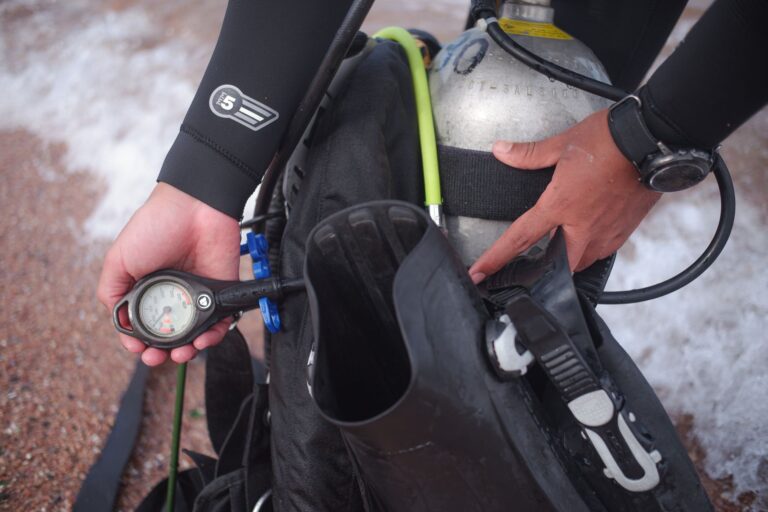
Avoid common seizure triggers like sleep deprivation, dehydration, hyperventilation, and cold water. Plan your dives for well-rested days with moderate water temperatures. Post-dive, have someone observe you for at least 30 minutes in case of a delayed reaction. Gear considerations include a snorkel-keeper to prevent losing your snorkel and a secondary air source like a pony bottle within easy reach. Divers who want a convenient way to carry a spare air source may find a pony bottle bracket system helpful for securing an additional tank. These small adjustments add layers of safety without changing the nature of the dive.
Medication and Diving: A Closer Look
Understanding how your antiepileptic drugs (AEDs) interact with the underwater environment is essential. Many AEDs cause drowsiness, dizziness, or cognitive slowing as side effects. These effects can be worse at depth due to nitrogen narcosis, which itself impairs cognition and coordination. The combination of AED side effects and narcosis can reduce your ability to respond to an emergency.
Some medications are considered safer than others. Levetiracetam, for example, has a relatively favorable side effect profile and is often preferred by dive physicians when medication is necessary. Older drugs like phenobarbital or phenytoin carry more sedation and coordination issues. Carbamazepine and valproate fall somewhere in between but still require careful evaluation.
The key recommendation: bring your complete medication list to a dive medicine consultation. They will review each drug for compatibility. Many physicians also recommend diving only during periods of stable medication useâmeaning the same drug and the same dose for at least six months without any changes. Even a dosage adjustment can destabilize seizure control and should prompt a re-evaluation before diving.
When Diving Is Not Advised: Red Flags to Know
Some situations are universally recognized as disqualifying by dive medical bodies. Here’s a definitive list of red flags:
- Seizures within the last five years (unless cleared by a specialist with documented evaluation)
- Active medication adjustments or dose changes within the last six months
- History of breakthrough seizures while on medication
- Poorly controlled epilepsy with frequent or unpredictable seizures
- Seizure types that impair consciousness, including generalized tonic-clonic, absence, or focal impaired awareness seizures
- History of status epilepticus (prolonged seizures)
- Any AED causing significant sedation, dizziness, or cognitive impairment
These are not debatable. If you fall into any of these categories, diving is not advisable until your situation changes. This section is meant to help you self-screen before spending time and money on formal clearance. If you recognize yourself here, focus on managing your epilepsy first, and revisit diving later if your medical status improves.
The Dive Buddy’s Role and Responsibility
If you are a dive buddy for someone with epilepsy, your role goes beyond standard buddy checks. You need to know the diver’s specific condition, including the type of seizures they experience, any warning signs, and the emergency response plan both underwater and on the surface. This is not casual divingâit requires a higher level of vigilance and preparation.
Underwater, your job is to monitor for seizure warning signs like unusual behavior, disorientation, or aura signals. If a seizure occurs, you must secure the diver’s regulator, establish positive buoyancy (deflate BCD or dump weights if needed), and initiate a controlled ascent if possible. On the surface, you call for emergency medical assistance immediately and provide basic life support until help arrives. Having a written emergency action plan attached to the diver’s BCD is a practical step. This includes contact numbers, medical history, and instructions for responders. Your comfort with this responsibility is essentialâif you are not prepared, do not agree to be the buddy.
Comparing Epilepsy to Other Neurological Conditions in Diving
To frame epilepsy’s unique challenge, it helps to compare it with other neurological conditions. Migraines with aura, for example, can cause visual disturbances and neurological symptoms but rarely lead to unconsciousness. Transient ischemic attacks (TIAs) mimic stroke symptoms but typically resolve within minutes and have clear triggers that can be avoided. Multiple sclerosis involves unpredictable relapses but often has a known pattern for each individual.
What sets epilepsy apart is the potential for sudden, complete loss of consciousness without any physiological warning that can be managed underwater. While a migraine aura or TIA may allow time to abort a dive, a seizure can render a diver incapacitated in seconds. This unpredictability is why clearance criteria are stricter. Other neurological conditions might be managed with careful planning and trigger avoidance; epilepsy requires a much higher threshold because the consequences are immediate and severe. Understanding this distinction reinforces why you must take epilepsy-related restrictions seriously.
[IMAGE_3]
Realistic Alternatives to Scuba Diving
If scuba diving is not advisable for you right nowâwhether due to recent seizures, medication instability, or lack of clearanceâthere are still ways to stay connected to the underwater world. Snorkeling under supervision is a low-risk alternative. It keeps you on the surface, allows quick exit, and still lets you enjoy marine life. Freediving with a buddy is an option for some, but it carries its own risks if a seizure occurs during breath-hold. That said, many epilepsy specialists consider pool-based breath-hold training safer than open water diving because you are within arm’s reach of safety. For those exploring surface-based activities, a travel snorkel and fin set can make it easier to join guided snorkeling excursions.
You can also consider marine biology courses, underwater photography workshops (surface-based), or even aquarium volunteering. These activities keep you engaged with the ocean without the decompression and buoyancy risks of scuba. Some divers revisit scuba after their epilepsy improves, such as after successful epilepsy surgery or after extending their seizure-free period. This is not a permanent goodbyeâit is a responsible pause. Stay in touch with your dive community and revisit clearance when your medical status changes.
Creating Your Personal Dive Safety Plan
A structured personal dive safety plan is one of the most practical tools you can develop. Here’s a template to work from:
- Medical clearance documentation: Keep a copy of your dive physician’s clearance letter with your gear.
- Medication list and stability timeline: Document your current drugs, doses, and how long you have been stable.
- Dive profile limits: Write down your maximum depth (e.g., 12m), maximum bottom time, and no-decompression-stops requirement.
- Buddy briefing checklist: Go through your condition, warning signs, and emergency procedures before every dive.
- Emergency contact info: Provide your physician’s number and local emergency services to your buddy and dive operator.
- Liability waiver: Most dive operators will require you to sign a waiver acknowledging the risks.
Share this plan with your dive shop and buddy before departure. It shows you are taking responsibility seriously and helps everyone involved know what to expect. This is not bureaucracyâit is practical risk management that builds trust.
When to Seek Professional Dive Medical Clearance
If you are considering scuba diving with epilepsy, your next step should be a consultation with a dive medicine specialist. Do not rely on general practitioners or online advice. Dive physicians understand the specific physiology of pressure, gas solubility, and seizure risk. A typical consultation includes a detailed medical history review, medication assessment, physical exam, and if appropriate, a clearance letter for diving. This is not a one-time eventâannual re-evaluation is smart because your health status and medication can change.
Contact us at 1st Contact Travel Clinic for a confidential dive medical consultation. We offer telehealth and in-person appointments designed to help you navigate these decisions with professional guidance. Our goal is to support your health and safety, not to gatekeep you from diving. If clearance is possible, we will help you plan safely. If not, we will help you explore alternatives.
Final Verdict: Practical Realities and Safe Decisions
To wrap up, epilepsy and scuba diving are not automatically incompatible, but they require rigorous medical assessment and absolute personal honesty. The five-year seizure-free benchmark is a useful starting point, but individual variability means there are no shortcuts. Always prioritize safety over the dive itself. Diving is not worth your life.
The decisions you make today should be based on clear medical guidance, not emotion or pressure from others. If you are cleared, dive carefully with a partner who understands the risks. If you are not cleared, find other ways to enjoy the water without compromising your health. Empowerment comes from knowing the facts and acting on them. Book a dive medical consultation with us to start the conversation safely.