Diving With Crohnâs Disease: When to Stay on the Boat
Introduction
If you live with Crohnâs disease and want to scuba dive, youâve probably asked yourself: can I actually do this? Youâve likely heard conflicting answers. Some say itâs too risky. Others say theyâve done it without problems. The truth about diving with Crohn’s disease isnât a simple yes or no. It depends entirely on your current disease activity, the medications you take, and your overall physical fitness on any given day.
This article isnât here to scare you away from diving. Itâs here to give you practical, medically-informed guidance so you can assess your own risk honestly. The goal is to help you make smart decisionsâincluding when the smartest decision is to stay on the boat. Weâll cover the specific physiological risks, medication considerations, clear red flags, and practical logistics that can make or break a trip. By the end, youâll have a clear set of criteria to use before you book your next dive.
[IMAGE_1]
Why Crohnâs Disease Complicates Diving
The core problem with Crohnâs and diving comes down to gas and pressure. As you descend, the increasing ambient pressure compresses gas in your body. As you ascend, that gas expands. For most divers, this is managed by equalizing the ears and sinuses. For a diver with Crohnâs, the gastrointestinal tract becomes a primary concern.
Gas expansion in the GI tract during ascent can cause significant pain. In a worst-case scenario, it can lead to bowel rupture or barotrauma, particularly if there is an underlying stricture or narrowing from the disease. A stricture can trap gas, turning a normal ascent into a dangerous one.
Beyond gas, other physiological challenges exist. Diarrhea is a common symptom of active Crohnâs, and it leads directly to dehydration. Dehydration is a major risk factor for decompression sickness (DCS). Malabsorption of nutrients, another Crohnâs complication, can leave you with less energy and higher fatigue levels underwater. Poor energy management in a current or during a long dive can lead to poor decision-making.
If youâve had surgeryâsuch as a bowel resection or a stomaâthe mechanics of equalization and buoyancy change. Gas can accumulate differently in a re-routed digestive system. A stoma bag presents its own challenges with pressure changes and seal integrity. These are not barriers to diving, but they are factors that require careful planning and medical clearance.
Medication Considerations: Whatâs Safe and Whatâs Not
Your medication regimen is a critical piece of the diving puzzle. No single drug automatically disqualifies you, but each class of Crohnâs medication introduces specific dive-related concerns that need to be discussed with a physician.
Immunosuppressantsâsuch as azathioprine, methotrexate, and biologics like infliximab (Remicade) or adalimumab (Humira)âare common in moderate to severe Crohnâs. The primary dive concern here is infection risk. Exposure to contaminated water through mask squeeze, ear infections, or even a small cut can lead to serious complications when your immune system is suppressed. These medications also slow wound healing, which is relevant if you sustain any injury on the boat or during dives.
Corticosteroids like prednisone are often used during flares. High doses are a clear red flag (more on that below). Long-term, low-dose use raises concerns about bone density, which can affect your risk of fractures during an emergency ascent or rough boat ride. Steroids also mask the symptoms of overexertion and decompression stress.
Aminosalicylates like mesalamine (Apriso, Lialda) are generally lower risk. The main issue is that they can sometimes cause minor GI upset, which could be confused with dive-related problems.
Anti-diarrheals like loperamide (Imodium) are a trap. They can mask the severity of a flare by preventing bowel movements, which allows a diver to think they are well when they are not. Using them to force a dive day is dangerous. They do not address the underlying dehydration or systemic inflammation.
The most important rule: never change your medication regimen just to meet diving requirements. That creates far more risk than it solves. Discuss your specific drugs with a dive physician who understands the interaction between pharmacology and physiology.
When Is It Safe to Dive? The âGreen Lightâ Checklist
Before you board any boat, run through this checklist. If every box is ticked, you are in a much better position to dive.
- Disease in remission for 3â6 months. This is the biggest single factor. A stable gut is a predictable gut underwater.
- No active diarrhea or abdominal pain. Zero symptoms on the day of the dive. Not reduced. None.
- Stable weight. Unexplained weight loss is a sign of active disease.
- No major surgery within the last 6 months. For a major bowel resection, 12 months is safer.
- Normal energy levels. You should not be fatigued at rest or after mild activity.
- Approval from your gastroenterologist AND a dive physician. Your GI doc knows your gut. The dive doc knows the pressure. You need both.
This is not a list of nice-to-haves. These are go/no-go criteria. If you cannot honestly tick every box, you have your answer.
[IMAGE_2]
When to Stay on the Boat: Clear Red Flags
This is the core of the decision. There are situations where diving is simply not safe, and the responsible thing to do is sit out. A good dive operation will respect a diver who says ânot today.â
Clear red flags include:
- Active flare. Bloody stool, severe abdominal pain, fever, or any sign of intestinal inflammation. You are not fit to dive.
- Recent hospitalization or steroid burst. If youâve been in the hospital or on high-dose prednisone in the last month, your body is still recovering. The risk of complications is elevated.
- Uncontrolled diarrhea. This almost guarantees dehydration, which dramatically increases your DCS risk.
- Open or healing stoma. A stoma appliance can fail under pressure or become dislodged. This is a specialized case that requires expert guidance.
- Severe anemia. Crohnâs can cause iron deficiency and anemia through blood loss or malabsorption. Low red blood cell count impairs oxygen delivery and increases fatigue risk underwater.
- Active use of high-dose steroids (prednisone >20mg/day). The infection and masking risks are too high.
Staying on the boat is not a failure. It is an advanced skill. Experienced divers make this call all the time for all kinds of reasonsâsinus congestion, ear block, general fatigue. Adding Crohnâs to the list is no different. It means you are paying attention to your body, which is the most important skill a diver can have.
Common Mistakes Divers With Crohnâs Make
Iâve seen the same patterns repeat in the diving community. Here are the ones to watch out for.
Masking symptoms with anti-diarrheals. This is the most dangerous mistake. A diver takes Imodium the morning of a dive to stop the runs, thinks they are fine, and gets in the water. The underlying flare is still there. The dehydration is still there. The energy drain is still happening. You are setting yourself up for a DCS hit or an in-water emergency.
Skipping hydration because of bathroom logistics. Some divers with Crohnâs reduce their water intake before a dive to avoid needing a bathroom. This backfires dramatically. Dehydration is the fastest route to decompression sickness. Drink your water. Manage your bathroom time separately.
Underestimating fatigue from a subclinical flare. You might not have bloody stool or a fever, but you feel tired. Your energy is low. You chalk it up to a long day or a bad nightâs sleep. In reality, this is often a low-level flare sapping your reserves. A tired diver makes poor decisions. If you are unusually fatigued, do not dive.
Getting the wrong medical form signed. Many divers show up with a standard medical form signed by their primary care doctor who has no dive medicine training. This form is often insufficient. You need a dive medical clearance from a physician who understands the specific risks. A general practitioner can miss the nuances of gas expansion, dehydration, and immunosuppression.
Planning Your Dive Trip With Crohnâs: Logistics That Matter
Good planning separates a successful trip from a disaster. The logistics of a dive trip with Crohnâs go beyond just booking flights.
Liveaboard vs. day boat: A liveaboard can be risky. You are on a small vessel for days, with limited access to medical care and often no quick way to reach a hospital. Toilet access is usually available, but privacy is minimal. Day boats are generally easier: you are back on land each evening, can access your own restroom and supplies, and can easily skip a day if needed. For your first dive trip with Crohnâs, choose a day boat operation. Travelers who need to stay hydrated and manage their energy may find it useful to have a reliable electrolyte powder on hand for recovery.
Dietary needs: Not all dive operators can accommodate special diets. Contact them in advance. Ask if they can provide bland, low-residue optionsâthings like plain rice, cooked chicken, or bananas. A flare triggered by spicy crew food on a liveaboard is a nightmare. Bring your own snacks: protein bars, crackers, or a pouch of instant oatmeal.
Medical access: In remote locations, arrange a telemedicine consult with a dive physician before you travel. Many good dive operators have a recommended doctor on call. Have a plan for evacuation if things go wrong.
The Crohnâs dive kit: Pack a dedicated bag that stays with you. Include: a backup supply of your regular medications, oral rehydration salts (these are critical), extra toilet paper, barrier cream for skin protection, and a change of clothes. A small, waterproof case for medical documents is also smart.
How to Talk to Your Doctor About Diving
A productive conversation with your medical team requires the right questions. Do not just ask âcan I dive?â Ask specific, dive-relevant questions.
- âDoes my current medication increase my risk of infection?â This will determine your approach to water quality and mask hygiene.
- âIs my fistula or stricture a contraindication?â Scar tissue and narrowing can trap gas. This is a serious concern for ascent.
- âAm I at increased risk for decompression sickness?â Yes, if you are prone to dehydration. Ask about your specific fluid balance.
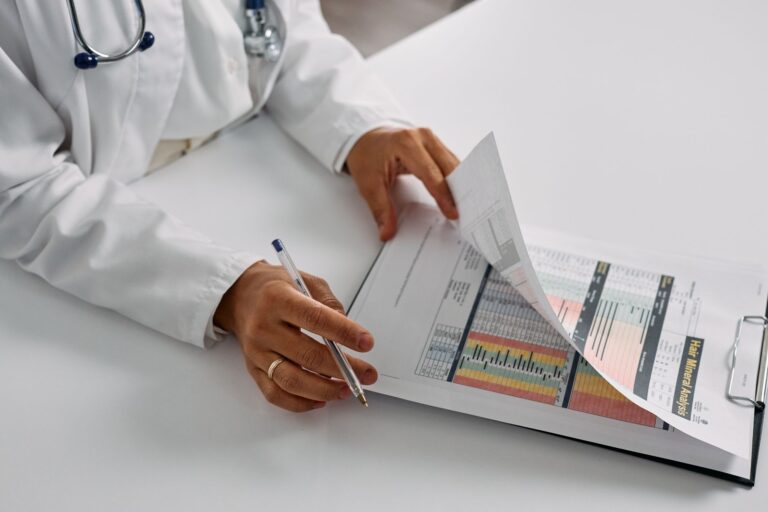
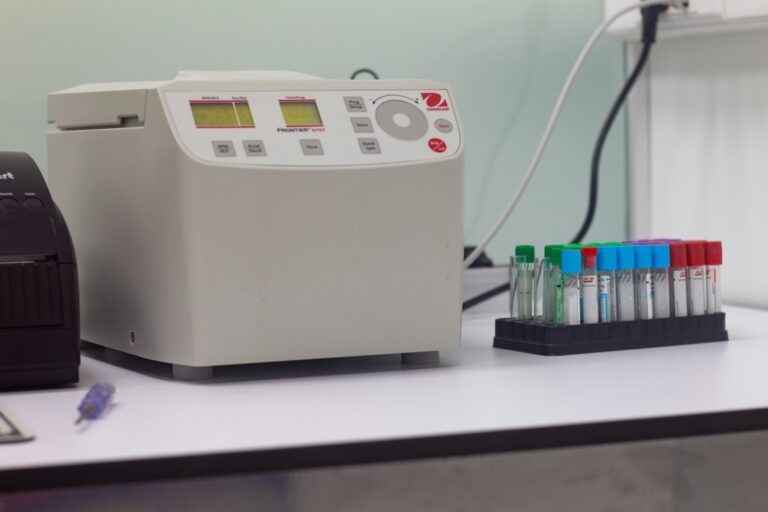
- âDo I need any additional tests?â You may need a baseline lung function test or an abdominal CT to check for strictures.
If your gastroenterologist says âI donât know,â that is acceptable. Most GI specialists are not dive physicians. Ask them to refer you to a designated dive doctor. Get a formal dive medical clearance letter that states you are fit for diving, including the specific conditions and medications. This document is your ticket onto the boat.
Stomas, Fistulas, and Diving: What You Need to Know
This is a specialized area, and I want to be clear: diving with a stoma or fistula is possible, but it carries additional complexity that requires expert guidance.
Ileostomies and colostomies: Divers with a well-healed, well-sealed stoma can dive. The key concern is gas expansion in the stoma bag during ascent. The bag will inflate, so you need a system to vent it without contaminating the seal. Some divers use a vented bag or manually burp it on ascent. The seal itself must be absolutely secure; pressure changes can compromise a weak seal. Most stoma nurses have little dive experience, so consult with a dive physician who has experience with ostomies.
Fistulas: These are abnormal connections between parts of the bowel or between the bowel and other organs or skin. Diving with an active fistula is generally not recommended. Gas can travel through the fistula tract, causing severe pain, infection, or contamination of dive gear. Even a closed, quiescent fistula can react to pressure changes. This is a clear case where a dive physicianâs individual assessment is non-negotiable. Do not dive with a fistula without that clearance.
[IMAGE_3]
The Real Risk: Dehydration and Decompression Sickness
This is the single most important physiological link for a diver with Crohnâs to understand. Dehydration impairs your bodyâs ability to eliminate inert gas, primarily nitrogen, after a dive. When you are dehydrated, your blood volume is lower, your circulation is less efficient, and your tissues are less able to off-gas dissolved nitrogen. This directly increases your risk of decompression sickness.
For a diver with Crohnâs, the risk is amplified. Diarrhea causes fluid and electrolyte loss. Malabsorption means you might not be absorbing water efficiently from your gut, and you may also be restricting fluid intake for the reasons we discussed earlier. Even a 1-2% loss of body fluid can tip the balance toward DCS. On a multi-day dive trip, this accumulates. A minor bout of diarrhea on day one can leave you compromised for dives on day two and three.
Oral rehydration salts are not optional for a diver with Crohnâs. They are essential. Use them before and after every dive day. Monitor your urine color. If it is not clear or light straw, you are not hydrated enough. Do not dive until you fix that. For longer trips, having a set of oral rehydration packets in your gear bag ensures you can stay on top of hydration.
Diving With Crohnâs vs. Ulcerative Colitis: Whatâs Different?
These two conditions are often confused, but the dive-relevant differences matter. Crohnâs can affect any part of the gastrointestinal tract, from the mouth to the anus, and often involves the small intestine. Ulcerative colitis (UC) is limited to the colon and rectum.
This distinction is important for divers. Crohnâs disease makes the risk of gas expansion less predictable. A stricture in the small intestine can trap gas in a way that a colon stricture in UC does not. Fistulas are far more common in Crohnâs than in UC and represent an additional complication that most divers with UC do not face.
For UC patients, the good news is that a total colectomy (removal of the colon) can effectively cure the disease. Many UC divers who have had a colectomy and are otherwise healthy face fewer dive-related risks than a Crohnâs patient with active small bowel disease.
Crohnâs patients with extensive disease, multiple surgeries, or active malabsorption need a more cautious approach. The gas expansion risk is real and unpredictable. The energy drain is harder to manage. If you are unsure which category you fall into, ask your GI doctor: âIs my disease limited to the colon, or does it involve my small intestine?â The answer will shape your dive profile.
When to Call a Dive Medical Professional
This article provides a framework for thinking about your risk, but it cannot replace a one-on-one exam. There are specific situations where a dive medical consult is mandatory, not optional.
- New diagnosis. You have no baseline for how your disease behaves under pressure.
- Recent surgery. Bowel anatomy has changed. You need a functional assessment.
- Change in medication. Starting a biologic? Coming off steroids? Your risk profile shifts.
- Any doubt about current disease activity. If you are not sure if you are in remission, find out before you book.
If any of these apply to you, stop reading and book a dive medical clearance appointment. Your safety depends on it.
Final Verdict: Can You Dive With Crohnâs Disease?
Many divers with well-managed Crohnâs disease dive safely and enjoy a full diving career. The key factors are honest self-assessment, thorough medical clearance, and strict adherence to the âstay on the boatâ rules when your body signals that something is off. Diving with an active flare or a compromised system is not brave; it is dangerous. The diving community respects a diver who makes the call to sit out.
Your next step is simple: If it has been more than a year since your last dive medical, or if anything about your condition has changed, book a formal dive medical clearance appointment. Do it before you plan your next trip, not after. It is the single most important investment you can make in your safety underwater.