The Complete Guide to DAN Diving Insurance Plans
Introduction
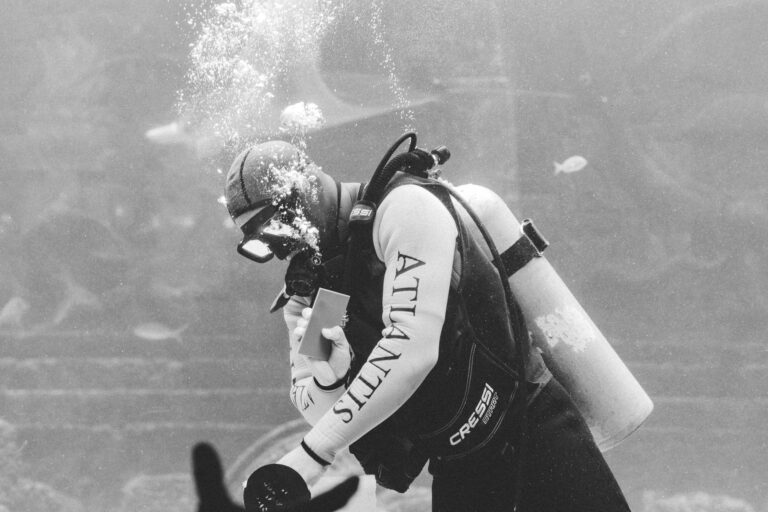
If you’re comparing DAN diving insurance plans, you probably already know that diving has risks standard travel insurance just doesn’t cover. This article compares what DAN offers, what each plan actually covers, and which one makes sense for how you dive. Whether you’re a weekend local or someone who does international liveaboard trips, the choice matters. A single chamber treatment can cost between $10,000 and $50,000, and evacuation from a remote island adds tens of thousands more. We’ll go through each plan, point out the tradeoffs, and give recommendations based on real diving scenarios.
[IMAGE_1]
Does Your Standard Travel Insurance Cover Diving?
Short answer: almost never, or only in ways that leave dangerous gaps. Most standard travel insurance explicitly excludes decompression illness, hyperbaric chamber treatment, and medical evacuation for diving-related injuries. Even policies with “adventure sports” add-ons often impose depth limitsâusually 30 meters (100 feet)âand exclude technical diving, wreck penetration, or solo diving. If you’re planning a dive trip relying on a standard policy, you’re effectively uninsured for the most expensive diving emergency you could face.
Some policies might cover a non-diving injury like a broken ankle on a dive boat, but if a claim involves a chamber or decompression illness, expect a denial. That’s where DAN (Divers Alert Network) comes in. Unlike general travel insurance, DAN is built specifically for diving. It covers the medical and logistical scenarios that matter most to divers. But understanding what each plan includesâand doesn’târequires reading the fine print.
What DAN Insurance Actually Covers (The Core Benefits)
All DAN diving insurance plans share core benefits that address the most critical dive emergencies. These include emergency medical evacuation from the dive site or nearest medical facility to an appropriate hospital, repatriation of remains, and coverage for hyperbaric chamber treatment and decompression illness. DAN also runs a 24/7 hotline staffed by dive medical professionals who can advise on treatment, coordinate evacuation, and help navigate local medical systems.
To put this in perspective, consider the cost of a chamber treatment in places like Indonesia or the Maldives: $10,000 to $50,000 or more. Helicopter evacuation from a liveaboard can easily hit $20,000. DAN covers these expenses directly. They also provide up to $150,000 in medical expense coverage depending on the plan. These benefits are consistent across most DAN plans, but the scope, limits, and additional coverages vary quite a bit.
DAN Insurance Plan Options: A Side-by-Side Comparison
DAN offers several insurance plans, and the names can be confusing if you’re not familiar with their structure. Here’s a clear breakdown of the main options:
- Dive Accident Insurance (Non-Member): This is the most basic plan. It covers dive accidents onlyâdecompression illness, chamber treatment, and emergency medical evacuation for diving injuries. It does not cover non-diving medical issues, trip cancellation, lost luggage, or any travel-related problems. It’s also slightly more expensive than the member version. Best for: Divers who already have separate travel insurance and only need a dive-specific safety net. Limitation: No coverage for anything outside a dive accident.
- Membership with Dive Accident Insurance: This includes a DAN membership and the same dive accident coverage as above but at a lower price because the membership subsidizes the insurance. It’s the most affordable option for local or infrequent divers. Best for: Weekend divers who dive locally and have travel insurance through a credit card or annual policy. Limitation: Still no travel insurance benefits.
- Travel Insurance with Dive Accident Insurance: This plan combines travel insurance (medical, trip cancellation, interruption, baggage) with dive accident coverage. It’s designed for divers who want one policy covering both diving emergencies and standard travel risks. Best for: Divers who travel domestically or internationally and want a single solution. Limitation: Travel coverage is capped per trip, not annual.
- Travel Plus: This is DAN’s most comprehensive plan. It includes everything in the Travel Insurance plan plus higher limits on medical expenses, evacuation, and trip cancellation. It also covers technical diving up to certain limits, meaning deeper recreational dives and some technical profiles. Best for: Serious divers who do multiple trips per year, dive deeper than 100 feet, or want the highest level of protection. Limitation: Higher premium cost.
Key Differences: Diving-Only vs. Travel Plus Plans
The most important decision is whether to buy a diving-only accident insurance plan or a comprehensive travel insurance plan with dive coverage. This isn’t one-size-fits-all, and understanding the tradeoffs is critical.
Diving-only accident insurance (Membership with Dive Accident or Dive Accident Insurance) is cheaper. It covers the diving emergency itselfâchamber treatment, evacuation, and specialist careâbut leaves you exposed if, for example, you get food poisoning a day before a dive, break your ankle on the boat, or have a non-diving medical issue during a trip. It also offers no trip cancellation, interruption, or lost baggage coverage. If your flight is delayed and you miss two days of diving, you eat the cost. This plan works best for divers who already have solid separate travel insurance or do very short, simple trips where trip costs are low.
Travel Plus costs more but covers both diving and non-diving emergencies. If you get sick before a dive trip, you can cancel and get reimbursed. If your luggage with your dive gear is lost, you’re covered. If you have a non-diving medical issue during your tripâlike appendicitis or a severe ear infectionâyou’re covered. For a typical dive vacation that runs $3,000 to $5,000 for flights, accommodation, and diving, the extra premium for Travel Plus is a small price compared to losing the entire trip cost. It really comes down to your risk tolerance and trip profile. A liveaboard trip costing $4,000 is a much bigger financial risk than a weekend shore dive.
Divers who want to organize their gear and documents more efficiently before a trip might find a dedicated waterproof gear bag useful for keeping everything in one place, including insurance paperwork and emergency contact numbers.
[IMAGE_2]
Who Is Each DAN Plan Best For?
Based on practical experience and diver profiles, here’s how I’d match divers to the right plan:
- Local weekend diver (dives within home country, shallow, familiar sites): Membership with Dive Accident Insurance. You’re not spending much on travel, and your biggest risk is a diving injury. Keep it cheap and simple. Best because: Low cost covers the high-risk scenario without paying for travel benefits you don’t need.
- International dive traveler (2-3 trips per year, resorts or liveaboards): Travel Plus. Your trip costs are significant, and you want one policy that handles everything from a cancelled flight to a chamber treatment. Best because: Comprehensive coverage protects both your health and your financial investment.
- Technical or cave diver (deep trimix, overhead environments): Travel Plus with the highest available limits. Technical diving increases risk, and evacuation from a cave or deep wreck is extremely expensive. Best because: Higher coverage limits and technical diving inclusion are essential.
- Liveaboard enthusiast (multiple liveaboard trips per year): Travel Plus. Liveaboards are expensive, remote, and carry higher diving risk. You need the full package including trip cancellation if the boat has mechanical issues. Best because: You can’t afford to lose a $5,000 trip to a last-minute emergency.
Common Mistakes Divers Make When Choosing DAN Insurance
Over the years, I’ve seen divers make the same mistakes repeatedly. Here are the most common ones and why they matter:
- Mistake #1: Assuming the basic plan covers non-diving medical issues. The Dive Accident plan covers only diving injuries. If you have a heart attack on the boat before a dive, you’re not covered. Buy the Travel Plus plan if you want full medical coverage.
- Mistake #2: Not checking if home insurance already covers diving. Some homeowner’s or travel insurance policies cover diving accidents. Verify what you already have before buying duplicate coverage. You might only need the cheaper dive-only plan.
- Mistake #3: Buying too little coverage for deep trimix dives. Basic plans often have depth limits (130 feet/40 meters). If you plan to dive deeper, choose Travel Plus or a plan that explicitly covers technical diving. A $50,000 chamber bill with no coverage is financial devastation.
- Mistake #4: Thinking DAN is only for US residents. DAN is international. They have regional offices in Europe, the UK, Australia, and Japan. You can buy plans from your local DAN affiliate, and coverage applies globally.
What DAN Insurance Does NOT Cover (Read This Before You Buy)
Every insurance plan has exclusions, and DAN is no exception. Being upfront about these limitations builds trust and prevents surprises. Here’s what DAN insurance typically does not cover:
- Pre-existing conditions: DAN plans generally exclude injuries or medical issues that existed before the policy start date. If you have a chronic condition that leads to a diving emergency, it may be denied.
- Extreme depth beyond recreational limits: Basic plans limit coverage to 130 feet (40 meters). If you dive deeper, you need a plan that covers technical diving. Check the policy carefully.
- Non-diving injuries on a basic dive-only plan: As discussed, the Dive Accident plan covers only diving injuries. Non-diving medical emergencies during a trip are not covered.
- Age limits: DAN has age restrictions on some plans, particularly the travel insurance components. Older divers may face higher premiums or reduced coverage. Check the age limits for your region.
- Annual trip caps: Some travel plans have a maximum number of covered trips per year or a maximum trip duration. If you travel extensively, read the fine print.
Always read the full policy document before purchasing. The summary is helpful, but the exclusions are where the details live. Knowing what’s not covered is just as important as knowing what is.
How to Add DAN Insurance to Your Dive Trip Planning Process
Integrating DAN insurance into your trip planning is straightforward and prevents last-minute panic. Here’s a simple workflow:
- Before booking: Check if your destination requires proof of dive insurance. Many liveaboard operators and dive resorts now ask for it at check-in. Some countries, like Thailand and Indonesia, may require it for certification or emergencies. Verify this step when you book.
- Choose a plan based on trip type: Use the profile matching above. If it’s a low-cost local trip, go with Membership with Dive Accident. If it’s an expensive international trip, choose Travel Plus. Select the plan and purchase it onlineâit takes less than 10 minutes.
- Add it to your packing checklist: Store your DAN membership number, emergency hotline number, and a summary of your coverage in a waterproof pouch. Also save the hotline in your phone’s contacts and screenshot the policy details. A waterproof phone pouch is a practical way to protect your phone and keep emergency contacts accessible during dives. Store a printed copy in your dive log.
- Before diving each day: Remind yourself of the emergency procedures. If you have an incident, call DAN immediately. They coordinate everything from evacuation to payment.
This workflow ensures you’re never caught off guard. It takes minimal effort and saves thousands of dollars in potential costs.
DAN vs. Other Dive Insurance Providers: A Quick Comparison
DAN isn’t the only dive insurance provider, but it’s the most recognized and trusted. Here’s how it compares to common alternatives:
- DiveAssure: Similar to DAN’s dive-only plans. DiveAssure offers comprehensive dive accident coverage with some travel add-ons. DAN has a stronger reputation for medical evacuation coordination and a larger network of hyperbaric chambers. DiveAssure may be cheaper in some cases, but DAN’s customer service is consistently rated higher.
- World Nomads: This travel insurance company offers an “adventure sports” add-on that covers diving up to certain limits. It’s more expensive than DAN for dive-specific claims and typically has lower coverage limits for decompression illness. World Nomads is a good backup option if you can’t get DAN in your region, but it’s not dive-specialized.
- Other specialty providers: Some regional dive shops offer their own insurance policies. These are often not as comprehensive as DAN and may have limited coverage in remote areas. Stick with a recognized provider with a global network.
Where DAN excels is the 24/7 hotline operated by dive medical professionals, the direct relationship with hyperbaric chambers worldwide, and decades of experience handling dive emergencies. For most divers, DAN is the recommended choice. However, if you find a better deal that meets your coverage needs, do your due diligence and read the policy details.
[IMAGE_3]
How to Purchase and Manage Your DAN Insurance Plan
Buying DAN insurance is simple and can be done entirely online. Start by visiting the DAN website for your region (DAN Americas, DAN Europe, DAN Japan, etc.). Create an account, select your plan, and pay online. You’ll receive an electronic membership card and policy document immediately.
Membership with Dive Accident Insurance is annual and auto-renews. Travel plans are per-trip, meaning you buy coverage for each specific trip. You can add multiple trips to the same policy within a year, but each trip requires a separate purchase. If you travel frequently, the annual Travel Plus plan is available in some regions and simplifies management.
To file a claim, contact DAN’s 24/7 hotline as soon as an incident occurs. They’ll guide you through the process and handle coordination directly with medical providers. Keep all receipts, medical reports, and communication records. Most claims are processed within 30 days, but complex cases may take longer. DAN’s customer service is generally responsive, but make sure you have all documentation ready.
My Final Recommendation: Which DAN Plan Should You Choose?
If you only do one thing after reading this, make it this: buy the Travel Plus plan if you travel internationally for diving. It covers the full spectrum of risksâdiving accidents, non-diving medical emergencies, trip cancellation, and lost gear. The peace of mind is worth the extra premium, and the financial protection for a $4,000 dive trip is undeniable.
If you dive locally only, within your home country, and have separate travel insurance or trip costs are minimal, the Membership with Dive Accident Insurance is the smart, affordable choice. It covers the one scenario that could bankrupt you without paying for benefits you don’t need.
The tradeoff is clear: pay a little more for comprehensive coverage or risk losing a significant portion of your trip cost in an emergency. For the vast majority of divers, the Travel Plus plan is the right recommendation. Consider pairing it with a reliable dive computer to monitor your depth and limits during dives, which adds an extra layer of safety. Visit the DAN website to compare your options and purchase a plan that fits your diving style.