Best Dive Travel Insurance for Pre-Existing Conditions: What Divers Need to Know
Introduction
This article covers the best dive travel insurance options for divers with pre-existing medical conditions. If you have asthma, diabetes, a heart condition, back problems, or any other long-term health issue, finding dive travel insurance for pre existing conditions that actually covers you can feel like a minefield.
Standard travel insurance policies often include blanket exclusions for anything related to a pre-existing condition. This leaves you financially exposed if an emergency arises during a dive trip. A dive-related injury like decompression sickness can be complicated by an underlying condition, and without the right policy, you could be facing tens of thousands of dollars in medical bills.
I have spent years helping divers navigate these policies. This guide focuses on what actually works, what to look for, and which providers give you real protection.
[IMAGE_1]
Why Standard Travel Insurance Falls Short for Divers with Pre Existing Conditions
Most standard travel insurance policies are not designed with divers in mind. They often exclude pre-existing conditions outright or require a medical screening process that can be confusing and time-consuming.
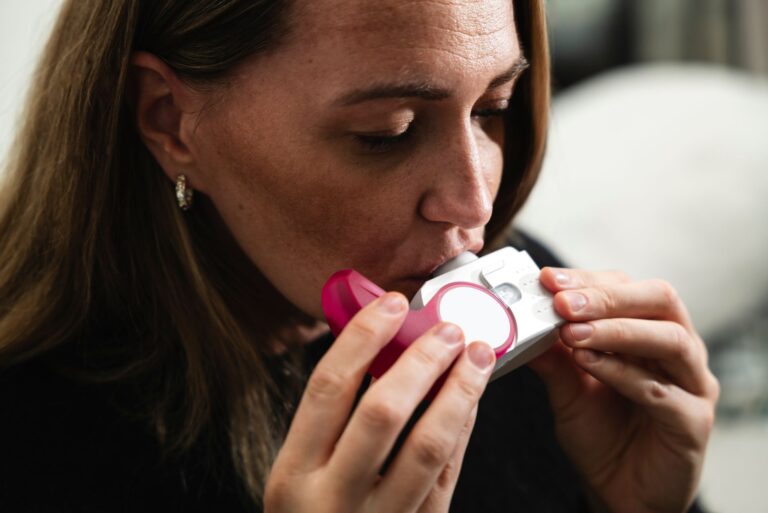
For divers, the stakes are higher. A pre-existing condition like asthma can complicate a dive emergency. An asthma attack underwater can mimic or even trigger decompression sickness. The symptoms can overlap, and treatment may differ. A standard policy that simply excludes your asthma might deny coverage for the entire event, even if the primary issue was DCS.
The same logic applies to diabetes, high blood pressure, or heart conditions. If you have a cardiac event while diving, the insurance company may argue that the dive injury was a direct result of your pre-existing condition, leaving you with no coverage for hyperbaric treatment or evacuation.
Standard travel insurance also rarely covers the specific costs of dive accidents. Evacuation to a hyperbaric chamber, extended hospital stays for DCS, and specialist dive medicine consultations are often outside their scope. You need a policy built for diving that acknowledges the reality of managing a chronic condition while participating in an adventurous sport.
What to Look for in Dive Travel Insurance for Pre Existing Conditions
When comparing policies, focus on these critical features. This is your checklist.
- Coverage for decompression sickness and hyperbaric treatment. This is non-negotiable. Without it, you are taking an unacceptable risk. Make sure the policy explicitly covers chamber treatment and related medical transport. For divers who want to be extra prepared, a personal dive computer that tracks depth and time can provide useful data if you need to file a claim. Dive computers can help you manage your dive profiles more safely.
- Pre-existing condition waiver or medical history disregard. Some insurers offer a waiver if you have not sought treatment for a condition within a specific period. Others review your medical history and cover you if the condition is stable. Look for these terms.
- Emergency evacuation and repatriation for dive incidents. This should cover transport from the dive site to a hospital and from the hospital back to your home country. Check the wording carefully â some policies only cover evacuation if it is deemed medically necessary by their own team.
- Sudden onset vs acute onset coverage. This wording matters. Some policies cover conditions that appear suddenly, while others require a clear immediate onset. For pre-existing conditions, you want a policy that covers acute flares or sudden complications related to a stable condition.
- Maximum age limits. Many dive insurance policies have age caps or charge higher premiums for older divers. Check these limits early in your search.
- Medical fitness requirement. The policy may require you to be medically fit to dive at the time of travel. This often means having a doctor’s clearance if you have a known condition. A dive medical kit can be a handy companion for managing minor issues on the go.
Do not skip the fine print. The difference between a policy that covers you and one that leaves you stranded often comes down to a single phrase in the terms and conditions.
Top Dive Travel Insurance Providers for Divers with Pre Existing Conditions
| Provider | Pre-Existing Condition Approach | Best For |
|---|---|---|
| DAN Dive Insurance | DAN typically covers pre-existing conditions if you are deemed ‘fit to dive’ by a physician. Their master policy offers broad coverage for most conditions. | Divers with stable, chronic conditions who want comprehensive coverage and are comfortable getting a dive medical. |
| DiveAssure | DiveAssure offers plans like ‘Dive Assure Gold’ that may cover stable chronic conditions. They have a more flexible application process compared to some competitors. | Divers who want a straightforward policy with options for different budgets and a less restrictive medical screening process. |
| World Nomads | World Nomads offers a pre-existing condition option on some plans, but it varies by region and excludes many conditions. You need to check the fine print carefully. | Budget-conscious divers who have a minor, stable condition and are willing to accept more limited coverage. |
| Allianz Travel Insurance | Allianz offers a pre-existing condition waiver if you buy the policy within a certain time frame of your trip deposit. Their coverage is less dive-specific but can be combined with primary dive insurance. | Divers who want a comprehensive annual travel policy with a pre-existing condition waiver, used as a secondary layer behind a dive-specific policy. |
| Trawick International | Trawick specializes in covering travelers with pre-existing conditions. Their ‘Safe Travels’ plan includes coverage for acute onset of pre-existing conditions. | Divers with complex medical histories or conditions that are not well covered by dive-specific insurers. |
Each provider defines ‘pre-existing’ differently. Some have a look-back period of 60 days, while others go back 24 months. Read the definition carefully. Do not assume that ‘stable’ means the same thing to every company.
How Pre Existing Conditions Are Defined and Evaluated by Insurers
Insurance jargon can be confusing. Here is what you actually need to know.
A pre-existing condition is usually defined as any condition for which you received medical advice, diagnosis, or treatment within a specific period before the policy start date. This period varies widely. Some insurers use a 60-day look-back. Others use 12 or 24 months.
Some policies require a medical questionnaire or underwriting. You list your conditions, and the insurer decides whether to cover them or exclude them. Others offer a pre-existing condition waiver â if you have not sought treatment for the condition in the past 6 or 12 months, the condition is considered stable and may be covered automatically.
Not all conditions are treated equally. A stable condition like well-controlled asthma might be covered without issue. A condition that requires regular medication changes or specialist monitoring might be excluded. The same goes for conditions like epilepsy, recent heart surgery, or severe diabetes.
If you are unsure, contact the insurer directly. Ask them to define ‘stable’ in writing. Ask what their look-back period is. This upfront work saves you from a nightmare later.
[IMAGE_2]
Common Mistakes Divers Make When Buying Dive Insurance with a Pre Existing Condition
I have seen divers make the same mistakes repeatedly. Here are the most common ones.
- Mistake 1: Assuming all pre-existing conditions are automatically excluded. Many divers give up before they start shopping. They assume that because they have asthma or diabetes, no policy will cover them. This is false. Multiple insurers offer coverage for stable conditions. Shop around.
- Mistake 2: Not disclosing the condition accurately on the application. This is the biggest mistake. If you omit a condition, even a minor one, and later submit a claim, the insurer can void your entire policy. You have no coverage at all. Always be honest, and keep your medical records available.
- Mistake 3: Only checking for dive injury coverage. Many divers focus on DCS coverage and ignore what happens if their condition itself flares up. If you have a diabetic emergency while diving, your policy might cover the DCS but not the diabetic episode. Make sure your policy covers both scenarios.
- Mistake 4: Buying a policy too far in advance. Your medical condition can change between booking and travel. If you buy a policy six months before your trip and then start new medication or have a change in your condition, the policy may no longer be valid. For a stable condition, consider buying the policy closer to your travel date. If you book early, ask the insurer if you can update your medical information.
DAN Dive Insurance vs DiveAssure: Which Is Better for Pre Existing Conditions?
These two providers are the most popular for divers. Here is how they compare on pre-existing conditions.
DAN Dive Insurance operates on a master policy model. They have a single, comprehensive policy for all members. For pre-existing conditions, DAN typically requires you to be deemed ‘fit to dive’ by a physician. If you have a dive medical that says you are fit, DAN generally covers most conditions. Their coverage is broad, and their claims process is well-established within the dive community. The downside is that the ‘fit to dive’ requirement can be a hurdle if your condition is not clearly stable.
DiveAssure offers more flexibility. Their plans, like Dive Assure Gold, often cover stable chronic conditions without requiring a dive medical. You declare your condition, and they let you know if it is covered. The application process is simpler. DiveAssure also allows you to choose a plan that fits your budget and coverage needs more precisely.
Which is better? It depends on your condition. If you have a well-controlled, stable condition and can get a dive medical from your doctor, DAN is an excellent choice because of their comprehensive coverage and reputation. If you have a condition that is stable but less straightforward, or if you want to avoid the hassle of a medical, DiveAssure is a better option. For older divers with multiple conditions, DiveAssure’s flexibility can be a lifesaver.
How to Disclose Your Medical History on an Insurance Application
This is one of the most important steps. Do it carefully.
When you fill out the application, be thorough but not overly verbose. Answer every question honestly. Do not assume that a minor condition is irrelevant. A single skipped medication or doctor visit can void your coverage.
Many policies ask something like: ‘Have you consulted a doctor for any condition in the last 2 years?’ If you have, list it. Do not try to interpret whether it matters â let the insurer decide.
Have your medical records handy. If you can, get a dive medical clearance from your doctor that states you are fit to dive. This document is powerful. It shows the insurer that a professional believes your condition is safe for diving.
Above all, do not omit anything. The temptation to skip a minor issue is strong, but the consequence is a denied claim. If you are unsure, contact the insurer directly and ask for guidance. They will tell you what they need.
Emergency Evacuation and Hyperbaric Treatment: Why Pre Existing Condition Coverage Matters
The costs involved in a dive emergency are staggering. Evacuation to a hyperbaric chamber can cost $50,000 or more. Hyperbaric treatment itself is expensive, and it often requires multiple sessions over several days.
If you have a pre-existing condition, the risk doubles. A heart condition could make DCS more likely to cause serious complications. An asthma attack underwater could trigger a lung overexpansion injury. If your policy excludes the pre-existing condition, the insurer may argue that the entire incident is related to the condition and deny the claim.
This is not a theoretical risk. It happens. Divers who thought they were covered because they had a policy that included DCS have found themselves with no coverage when the insurer determined that the underlying condition was a contributing factor.
A policy that covers pre-existing conditions is not just for routine incidents. It is for the worst-case scenario. The extra cost of a pre-existing condition waiver is trivial compared to the price of an uninsured medical evacuation. Travelers who need to stay on top of their medications while away might find a travel pill organizer useful for keeping things organized.
What to Do If Your Claim Is Denied Due to a Pre Existing Condition
If your claim is denied, do not give up immediately. Here is a step-by-step approach.
- Request a detailed written explanation. The insurer must tell you exactly why the claim was denied. Get it in writing.
- Review your policy wording. Compare the denial reason to the policy terms. Sometimes insurers make mistakes. If you believe they have misinterpreted the policy, request a formal review.
- Provide medical evidence. If the denial is based on the claim that your pre-existing condition caused the incident, provide medical records showing your condition was stable and not a contributing factor. A doctor’s letter can help.
- Escalate to a third party. If the insurer has an internal complaints process, use it. If that fails, contact an insurance ombudsman or regulator in the insurer’s jurisdiction. Many countries have a free dispute resolution service.
- Consider legal advice. If the amount is substantial and you have a strong case, a lawyer specializing in insurance law can help. This is a last resort, but it is an option.
The key is to act quickly and keep good records. Do not accept a denial at face value without a fight.
[IMAGE_3]
Final Recommendations: Choosing the Right Dive Travel Insurance for Your Condition
Here is a practical framework for making your decision.
If you are a member of DAN or plan to join, start there. Their master policy is comprehensive, and if your condition is stable and you can get a dive medical, it is hard to beat.
If your condition is stable but you want more flexibility and a simpler application process, compare DiveAssure. Their plans cover stable chronic conditions with less paperwork.
If you have a more complex medical history, or if your condition is not covered by the dive-specific insurers, check Trawick International. They specialize in pre-existing conditions and can often provide coverage where others cannot.
Before your next dive trip, take five minutes to review your policy’s pre-existing condition clause. If you are unsure, contact us for a personalized recommendation. The right policy gives you peace of mind, so you can focus on the diving.
Frequently Asked Questions About Dive Travel Insurance and Pre Existing Conditions
Can I get dive insurance if I have asthma?
Yes. Many dive insurance providers cover asthma if it is well-controlled. You may need to prove you are fit to dive with a medical clearance from your doctor. Avoid policies that exclude respiratory conditions.
Does DAN cover conditions like diabetes?
DAN typically covers diabetes if you are deemed fit to dive by a physician. They require you to be stable and to have regular monitoring. Check their specific guidelines for your type of diabetes.
What is a ‘look-back period’?
A look-back period is the time frame an insurer uses to determine if a condition is pre-existing. For example, a 12-month look-back means you must declare any condition you were treated for in the last year. The shorter the look-back, the better for you.
Will my insurance cover a flare-up of a pre-existing condition while diving?
It depends on the policy wording. Some policies cover acute onset of a pre-existing condition if it is stable. Others exclude all flare-ups. Read the definition carefully, and if in doubt, call the insurer.
Do I need to get a dive medical before buying insurance?
Not always, but it is strongly recommended. A dive medical from your doctor that states you are fit to dive can strengthen your application and reduce the risk of denial. Some insurers require it. It is worth the small investment.