Diving With Type 1 Diabetes: Medical Clearance and Safety Planning
Introduction
Diving with type 1 diabetes isn’t a simple yes-or-no question. It takes serious commitment to planning, medical clearance, and daily protocol. For divers who manage their condition well, the underwater world is still open. But the margin for error is smaller than for most other divers. This article covers the medical clearance process, safety planning, gear considerations, and the protocols you need if you’re diving with diabetes type 1. The goal is straightforward: help you prepare so your focus underwater can be on the dive, not on your blood sugar.
[IMAGE_1]
Why Diving With Type 1 Diabetes Requires Extra Planning
The physiological demands of scuba diving create unique challenges for someone with type 1 diabetes. The biggest risk is hypoglycemia during or right after a dive. When you’re underwater, symptoms of low blood sugarâconfusion, dizziness, loss of coordinationâcan be mistaken for other problems or, worse, lead to a loss of consciousness. That’s not acceptable at depth.
Several diving-specific factors increase this risk. Pressure changes can alter how insulin absorbs. Physical exertion from swimming against currents, even mild ones, can drop glucose levels faster than expected. Cold water also increases metabolic demand, pulling glucose down further. And nitrogen absorption plus the physiological stress of diving can blunt your body’s normal early warning signs of hypoglycemia.
None of this means you can’t dive. It means you need a plan that accounts for these variables. The divers who succeed at this have rigid pre-dive checks, reliable glucose monitoring, and a solid sense of how their body responds underwater. Without that, the risk is real and shouldn’t be minimized.
Medical Clearance: What Your Doctor Needs to Know
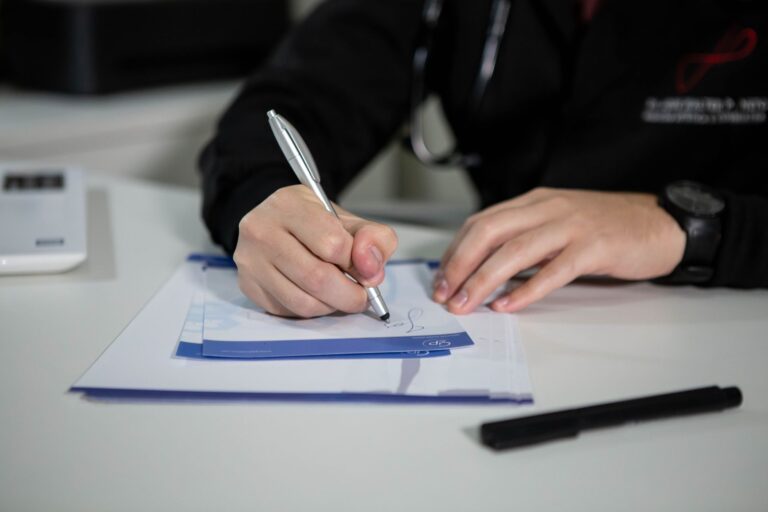
Before you book a dive trip, you need clearance from a physician who understands both diabetes and dive medicine. A general practitioner who hasn’t looked into the specific risks of scuba diving usually isn’t enough. You need a dive medicine specialist. Organizations like DAN (Divers Alert Network) and UHMS (Undersea and Hyperbaric Medical Society) publish clear guidelines for assessing diabetic divers.
Your medical evaluation will typically include:
- HbA1c test: Most dive doctors look for a value of 7.0% or lower, which indicates stable blood glucose control over the previous few weeks.
- Detailed glucose logs: Your doctor will want to see daily readings for at least the last 30 days to confirm no frequent or severe hypoglycemic episodes.
- Physical exam: To check for complications like neuropathy, retinopathy, or cardiovascular issues that diving could aggravate.
- Understanding your hypoglycemia awareness: If your hypo awareness is impaired, you won’t get clearance.
Finding a dive medicine specialist can be the hardest part. Contact DAN for a referral or check with major hyperbaric facilities near you. Don’t settle for a doctor who hasn’t read the UHMS guidelines on diabetic diving. The clearance they give is a legal and safety document. It matters.
The Pre-Dive Glucose Check: A Non-Negotiable Routine
You don’t enter the water without checking your blood glucose within 60 minutes of the planned entry. Ideally, check it right before you put your gear on and step to the entry point.
Here’s the target range most dive medicine specialists agree on:
- Target range: 150â250 mg/dL (8.3â13.9 mmol/L)
- Too low (below 150 mg/dL): Don’t dive. Take fast-acting glucose, wait 30 minutes, recheck. If you’re not above 150 mg/dL, cancel the dive.
- Too high (above 300 mg/dL): Don’t dive. This suggests poor metabolic control or impending illness. Check for ketones if possible.
If your glucose is within range but you have any symptoms of hypoglycemiaâeven mild onesâdon’t dive. Low blood sugar can come on quickly, especially once you’re underwater and under pressure. The rule is simple: if there’s doubt, skip the dive.
Best Glucose Monitors for Divers (Continuous vs. Fingerstick)
Continuous glucose monitors (CGMs) have made things easier for diabetic divers, but they have limits. Popular models like the Dexcom G6 and G7 are water-resistant but not designed for depths beyond about 8 feet. At recreational dive depths of 60 feet or more, the sensor can be damaged by pressure or simply fail to transmit data. They also rely on Bluetooth, which doesn’t work underwater.
That said, CGMs are excellent for pre-dive checks and post-dive monitoring. You can see your glucose trend in the hour before the dive, which helps you decide whether to eat a snack or adjust. After the dive, the CGM gives you continuous data to catch late-onset hypoglycemia.
For actual use at depth, a traditional fingerstick meter is still the most reliable option. Waterproof models like the Contour Next One (with a waterproof case) or the OneTouch Verio Flex are practical. They’re small, fit in a dry box, and give you a reading in seconds. The tradeoff is that you have to surface to check, so your pre-dive check remains your primary screen.
Many diabetic divers use both systems: the CGM for trend data before and after, the fingerstick for verification. Divers looking for a reliable fingertip check might consider a waterproof glucose meter designed for rugged environments.
Building a Dive-Specific Hypoglycemia Kit
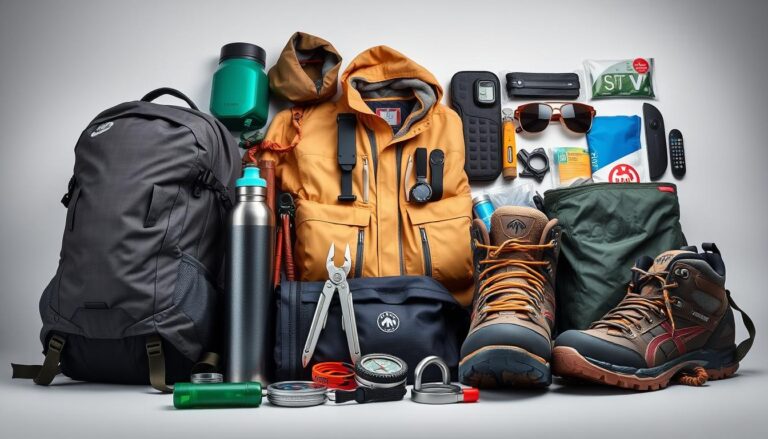
You need an emergency kit that goes with you on every dive boat trip. It should be waterproof and immediately accessible to you and your buddy.
- Fast-acting glucose gels or chews: These work faster than candy or juice. Brands like GU or Dex4 are reliable. Keep at least two packets in your kit.
- Glucose tablets: A backup to gels. They’re less messy and have a predictable dose.
- Snack bar or fruit pouch: For post-hypo stabilization. Something with both carbs and protein is ideal.
- Glucagon pen: If you’re prone to severe hypoglycemia, a Glucagon pen should be in your kit. Make sure your buddy knows how to use it.
- Waterproof box: A small Pelican case or OtterBox works well. Label it clearly with a red cross or hypo logo. A waterproof storage case can keep your supplies safe and organized.
Don’t store your kit in a bag that goes into a gear locker. Keep it on deck, visible to your buddy, and grab it when you surface.
[IMAGE_2]
Buddy Briefing: How to Communicate Your Needs
Your dive buddy is your safety net. But they’re only useful if they understand your specific risks and what to do. Use the boat ride or the pre-dive briefing slot to talk through the following with your buddy and the dive master:
- Your condition: “I have type 1 diabetes. The main risk is low blood sugar. I’ll check before the dive and won’t dive if I’m outside my target range.”
- Signs of trouble: “If I seem confused, shaky, or unusually tired underwater, I might be going hypo. Signal for ascent.”
- Emergency signals: Agree on a custom signal for “I need to surface for medical reasons.” Many diabetic divers use the “out of air” signal combined with a point to their chest.
- Where the kit is: Show your buddy where your hypo kit stays on the boat and what’s inside.
A prepared buddy who knows your plan is worth more than any piece of gear. Don’t skip this step.
Dive Planning: Depth, Duration, and Post-Dive Monitoring
Conservative profiles are your friend here. Most dive medicine guidelines recommend limiting depth to a maximum of 60 feet for diabetic divers. At that depth, nitrogen narcosis is minimal, air consumption is reasonable, and if you need to ascend for a medical reason, you’re not facing a long decompression obligation.
Keep dive times shorter than what your computer allows. A 30-minute bottom time at 60 feet is far safer than pushing the limits. The reason is simple: longer dives mean more exertion, more cold exposure, and a greater window for glucose to drop unpredictably.
Post-dive monitoring is critical. The risk of hypoglycemia doesn’t end when you surface. Late-onset hypoglycemia can occur several hours after the dive. Check your glucose immediately after surfacing, again 30 minutes later, and again before you go to sleep. Don’t skip the night check. Many diabetic divers have woken up with dangerously low blood sugar after a full day of diving.
Common Mistakes Diabetic Divers Make (And How to Avoid Them)
After working with divers and reading incident reports, certain patterns come up often. Here are the most common errors and how to avoid them:
- Diving with borderline low glucose: Many divers rationalize a reading of 140 mg/dL as “close enough.” It’s not. Your glucose can drop another 30 points during descent. Stick to the 150 mg/dL minimum.
- Skipping post-dive monitoring: You feel fine after the dive, so you skip the 30-minute check. This is how late-onset hypo catches you. Make it part of your post-dive routine.
- Not eating enough before a dive: The pre-dive meal matters. A balanced meal with complex carbs and protein 1â2 hours before entry helps maintain stable glucose through the dive.
- Trusting only a CGM: CGMs aren’t depth-rated and can fail underwater. Always confirm with a fingerstick before the dive.
- No backup plan for a lost buddy: If you and your buddy get separated, you need a plan. Agree on a maximum lost-buddy search time before ascending to the surface, where you can treat a hypo event.
Medication Adjustments Before a Dive Trip
This is something you need to discuss with your endocrinologist, not just a dive doctor. The days before and during a dive trip involve more physical activity than usual, time zone changes, and multiple dives per day. All of these affect insulin needs.
A common approach is a modest reduction in long-acting insulin (basal) on dive days, combined with careful meal timing. For example, if you usually take 20 units of basal insulin in the morning, your endocrinologist might recommend 18 units on dive days, with instructions to monitor and correct if needed.
Short-acting (bolus) insulin for meals should be dosed conservatively. If you’re eating a meal 90 minutes before a dive, you might reduce the dose by 10â20% to avoid a post-meal low during the dive. Again, this isn’t medical advice for everyone. It’s a conversation starter for you and your doctor. The goal is to enter the water with stable, slightly elevated glucose and as little active insulin on board as practical.
What to Expect at the Dive Boat or Resort
When you arrive at the dive boat or resort, there are a few logistics to handle. First, check in with the dive master or resort manager privately. Explain that you have type 1 diabetes and that you have medical clearance. Most professional dive operations have seen diabetic divers before. They’ll appreciate your candor.
Stow your hypo kit in a location you can access between dives. On a boat, that usually means a personal gear bin or a shelf in the dry area. Keep it out of direct sun to prevent heat damage to glucose gels and insulin. For longer trips, an insulin cooler travel case can help keep your medication at a safe temperature.
During surface intervals, check your glucose. If it’s trending downward, eat a snack. Don’t wait until you feel it. The surface interval is your window to correct before the next dive.
If a dive operation refuses to let you dive despite your clearance, that’s their right. Don’t argue. It’s better to find a shop that understands diabetic diving than to force a situation where the staff is anxious about your safety.
Choosing the Right Dive Insurance for Pre-Existing Conditions
Standard dive insurance policies often exclude pre-existing conditions like type 1 diabetes. That’s a problem if you need emergency evacuation or hyperbaric treatment. Two providers consistently cover diabetic divers:
- DAN Preferred: DAN offers a Preferred plan that covers pre-existing conditions, including diabetes. They don’t require a separate medical questionnaire for diabetes if you have a valid medical clearance. This is the most widely used option.
- DiveAssure: Their Gold plan also covers pre-existing conditions. Read the fine print on their medical screening questions. Some divers report an additional questionnaire for diabetes.
Don’t assume a generic travel insurance policy covers hyperbaric treatment. It often doesn’t. Dive-specific insurance isn’t optional for diabetic divers. It covers evacuation to a chamber, treatment costs, and trip interruption if a medical event occurs.
[IMAGE_3]
Is Diving With Type 1 Diabetes Worth the Risk? A Balanced View
Yes, it’s worth the riskâif you’re willing to follow the protocols. The underwater world doesn’t forgive shortcuts. But for a well-prepared diabetic diver, the risk is no greater than for any other diver with a chronic condition. The key is that the risk is managed, not ignored.
Every dive has inherent risks. The diver with type 1 diabetes simply has an additional set of variables to control. The reward is real: the same sense of weightlessness, the same encounters with marine life, the same joy of the sport. But it comes with a higher bar for preparation. If you’re not ready to measure your glucose before every dive, to brief every buddy, and to carry a hypo kit on every trip, then diving isn’t for you. If you are ready, you belong underwater.
Get Your Dive Medical Clearance Today
Before you plan your next dive trip, you need a proper medical assessment. 1st Contact Travel Clinic specializes in dive medicine and understands the specific requirements for divers with type 1 diabetes. Their dive medicine specialists will review your history, perform the necessary tests, and provide the documentation you need for your next dive trip. Book a consultation today to get the clearance you need and dive with confidence.