Diving After Ear Surgery: Recovery, Clearance, and Warning Signs
Introduction
Returning to diving after ear surgery isn’t a simple yes or no. It takes patience, medical guidance, and honest self-assessment. Ear health is non-negotiable for safe diving. Pressure changes, equalization demands, and infection risks are all more significant after your ear has been surgically altered. This article covers what’s involved in diving after ear surgery recovery. It’s written for divers planning their return, wondering what to expect, and wanting practical advice that puts long-term safety first. If you’re reading this, you likely want to get back in the water. That’s understandable, but getting back safely means knowing what your body needs.
[IMAGE_1]
Why Ear Surgery Recovery Matters for Divers
Your ears are the most pressure-sensitive part of your body while diving. Every meter of descent adds pressure that must be equalized through the Eustachian tubes and across the eardrum. Ear surgery changes that delicate system. Whether the procedure repaired a perforated eardrum, removed an infection, or replaced a tiny bone, healing tissue is vulnerable. Diving too soon risks barotrauma, infection, and even permanent hearing loss.
Common surgeries like tympanoplasty, stapedectomy, and mastoidectomy each come with their own challenges. A tympanoplasty grafts new tissue over a hole in the eardrum. That graft takes weeks to stabilize and can be torn by pressure changes. A stapedectomy replaces the stapes bone, often with a prosthetic. The inner ear is opened during this procedure, creating a lifelong risk if pressure isn’t managed carefully. Mastoidectomy removes infected bone behind the ear, and the resulting cavity can trap water and bacteria. Even ear tube insertion for chronic infection creates a direct path for water to enter the middle ear.
This isn’t meant to scare you. It’s about respecting the healing process. Diving is physically demanding, and your ears are often the limiting factor. Understanding how your specific surgery connects to the demands of diving is the first step toward a safe return.
Types of Ear Surgery and Their Diving Implications
Tympanoplasty (Eardrum Repair)
This is the most common surgery divers encounter. A perforated eardrum is repaired using a tissue graft, usually from behind the ear. The graft needs time to integrate with the surrounding drum. Diving before it’s fully healed can displace the tissue or cause a new perforation. Most ENTs advise waiting at least three months, and some recommend six. After healing, many divers get back to normal activity, but they need to be cautious with forceful equalization and avoid diving with any congestion.
Stapedectomy (Stapes Replacement)
This is done for otosclerosis, where the stapes bone becomes fixed. The surgeon removes the bone and replaces it with a prosthetic. Because the inner ear is opened during surgery, the risk of inner ear barotrauma stays elevated permanently. Many dive medical professionals advise against diving after a stapedectomy altogether. If you’ve had this surgery, you need a thorough ENT evaluation specifically for diving fitness. Don’t assume it’s safe.
Mastoidectomy (Infection Removal)
Chronic infections can lead to a mastoidectomy, where infected bone cells are removed. This leaves a cavity that can be difficult to keep dry. Water trapped in that cavity can cause persistent infections and balance issues. Diving is possible for some people after full healing, but the cavity must be assessed for its ability to equalize and drain. Many divers with mastoid cavities limit depth and avoid diving with any head congestion.
Ear Tube Insertion
Tubes are placed in the eardrum to ventilate the middle ear. While they’re in place, water can pass directly through the tube into the middle ear, causing infection. Diving with tubes is generally a bad idea unless they are specifically designed for pressure equalization and your ENT clears you. Most tubes fall out within a year, after which the eardrum usually heals, and diving can resume normally.
Diving After Ear Surgery Recovery: The Typical Timeline
There’s no single recovery timeline that fits everyone. But based on general healing patterns and dive medical guidance, a broad framework exists. For soft tissue healing, like a tympanoplasty graft, the initial period is around six to twelve weeks. During this time, the new tissue is fragile and vulnerable. Even after the graft looks healed on examination, it may not have full tensile strength.
For surgeries involving bone, like mastoidectomy or stapedectomy, bone healing takes longer. Three to six months is a reasonable expectation before considering diving. In the case of stapedectomy, many specialists recommend a permanent ban, but if clearance is given, it’s rarely before six months and often longer.
Several factors can slow recovery. Smoking is a major oneâit impairs blood flow and delays tissue healing. A history of difficult equalization suggests your ears may have underlying issues that surgery didn’t fully resolve. Age plays a role too; older divers often heal more slowly. Diving after ear surgery recovery is a personal timeline, not a calendar date. Your body will tell you when it’s ready, and your doctor should confirm it.
Medical Clearance: What Your Doctor Will Check
Before you even think about booking a dive, you need medical clearance from an ENT who understands diving. This isn’t a routine checkup. Your doctor should perform specific tests.
- Healed eardrum: The eardrum must be intact with no visible perforation or weak spots. An otoscope isn’t enough; tympanometry can measure drum mobility.
- No fluid: The middle ear should be dry. Fluid indicates ongoing healing or infection.
- Equalization ability: Your doctor should test your ability to equalize using Valsalva or Toynbee maneuvers. Any difficulty is a red flag.
- Hearing test: A pure-tone audiogram establishes a baseline. Any hearing loss beyond pre-surgery levels needs explanation.
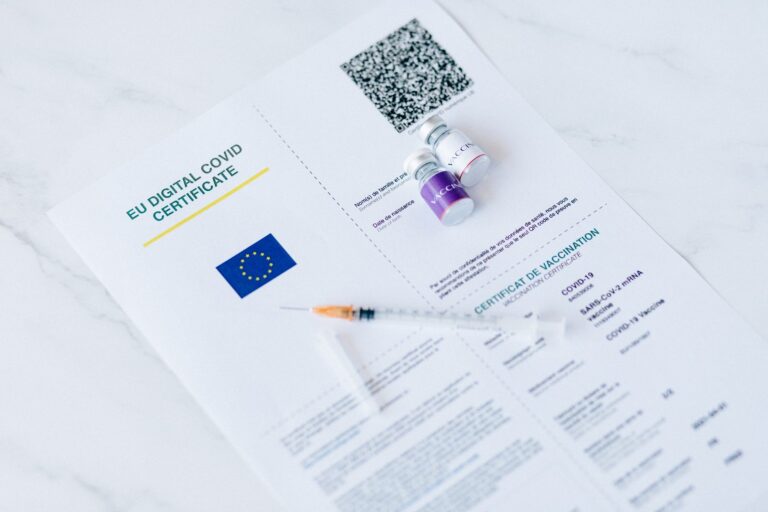
Bring a copy of the Divers Alert Network (DAN) medical questionnaire or the PADI medical statement to your appointment. These forms ask specific questions about diving fitness. Go through each one with your doctor. Ask directly: ‘Can Valsalva or forceful equalization damage my surgical site?’ Don’t leave with vague answers. You need clear written clearance stating you are fit to dive without restrictions, or with specific limitations.
Self-Assessment Before You Dive: What to Check
Before every dive, do a simple self-check. This isn’t a replacement for a doctor’s evaluation, but it catches problems early. Check for these signs before you even put on your wetsuit.
- No pain: Any pain in the ear, even minor, means something is wrong. Don’t dive.
- No discharge: Fluid, blood, or pus from the ear signals infection or injury.
- No congestion: Your nose and sinuses should be clear. Even mild stuffiness can prevent equalization. Travelers who deal with sinus congestion might find saline nasal sprays helpful for keeping passages clear before a dive.
- Easy equalization: You should be able to equalize your ears on land with minimal effort. If it hurts or feels blocked, don’t attempt diving.
These are non-negotiable. If any of these are present, postpone your dive. It’s that simple. A single dive isn’t worth the risk of a setback that could end your diving season.
Warning Signs: When to Postpone Your Dive
Some symptoms aren’t just a reason to postponeâthey’re a reason to see a doctor. Don’t ignore them. Here’s what to watch for.
- Ear pain: Sharp or dull pain during equalization or at depth suggests barotrauma or surgical site stress.
- Fullness or pressure: A feeling that your ear is blocked and equalization isn’t clearing it could mean middle ear fluid.
- Hearing loss: Any reduction in hearing, even temporary, needs investigation. It could be fluid or nerve damage.
- Dizziness or vertigo: This is serious. Dizziness after diving may indicate inner ear barotrauma, which can cause permanent damage. Get evaluated immediately.
- Fluid sensation: Feeling water moving inside your ear when you tilt your head suggests a perforation or tympanostomy tube issue.
Better safe than sorry isn’t just a cliché. In diving, it’s a survival principle. If you experience any of these, don’t dive. If symptoms persist after a few days, see your ENT.
[IMAGE_2]
The First Dive Back: How to Test the Water Safely
Assuming you have medical clearance and are symptom-free, your first dive back should be conservative. Treat it as a test, not a celebration. Here’s a safe protocol.
- Max depth of 10 meters (30 feet): Stay shallow. Pressure changes are smaller, and you can surface quickly if needed.
- Short duration: Keep the dive under 20 minutes. Your ears don’t need extended exposure.
- No rapid ascents: Ascend slowly and make a safety stop. Give your ears time to adjust.
- No forceful equalization: If you can’t equalize gently, abort the dive. Don’t force it.
A pool session or confined water check is ideal for your first dive. This gives you a controlled environment where you can focus entirely on your ears. Use a descent line if availableâit lets you control your descent speed. Consider wearing a dive computer with depth alarms. Being aware of your depth helps you stay disciplined. For safety, look for dive computers that offer depth alarms.
Mistakes Divers Make When Returning After Ear Surgery
Even experienced divers make errors when returning after surgery. Here are the most common ones I see.
Mistake: Rushing back despite symptoms. You feel a little pressure, but you convince yourself it’ll clear on the way down. This is how perforations happen. The better approach is to surface and call the dive. You lose one dive, not your ear health.
Mistake: Diving with a cold. Congestion prevents equalization. Decongestants can mask the issue and wear off at depth, leaving you unable to equalize on ascent. Don’t dive until your head is clear for at least 48 hours.
Mistake: Using forceful Valsalva. Blowing hard against a pinched nose can damage the round window or the surgical site. Use the Toynbee maneuver or gentle Frenzel instead. If you need force, your ears aren’t ready.
Mistake: Ignoring minor pain. Pain is always a warning. It doesn’t mean you need to push through. It means you need to stop. Listen to it.
When to See a Specialist vs When to Wait
Not every symptom requires an immediate ENT visit, but some do. Here’s a decision guide.
See a specialist if: You have pain that lasts more than a day after a dive. You experience dizziness or hearing loss. You see any discharge from the ear. You have a fever. These symptoms suggest infection, barotrauma, or surgical complication.
You can wait and self-monitor if: You have mild pressure that resolves within a few hours. You had a difficult equalization on one dive but are fine afterward. You have a mild headache but no ear-specific symptoms. In these cases, rest and avoid diving for a few days. If symptoms worsen, then see a doctor.
This isn’t medical advice. It’s a framework for decision-making. When in doubt, err on the side of caution and make an appointment.
Travel Planning After Ear Surgery: What to Consider
If you’re planning a dive trip after ear surgery, logistics matter more than you might think. First, timing. Schedule surgery well before your trip. Six months is a safe buffer for most procedures. This gives enough time for unexpected healing delays.
Book refundable flights and accommodation. If complications arise, you may need to postpone. Losing money on non-refundable bookings adds stress, which doesn’t help recovery. Pack ear care items. For flights, consider earplugs designed for pressure regulation. They help your ears adjust during descent, which is important after surgery. Saline sprays can keep nasal passages moist during travel, reducing congestion risk. These items are available online through retailers like Amazon.
[IMAGE_3]
Frequently Asked Questions About Diving After Ear Surgery
Q: Can I dive after ear tubes? Not while the tubes are in place unless specifically cleared by an ENT familiar with diving. Tubes create a direct path for water into the middle ear. After they fall out and the eardrum heals, diving is usually fine.
Q: What if I need another surgery? That depends on the reason. If it’s for a new perforation from diving, you need to reassess your equalization technique and overall fitness. If it’s for a different issue, treat it as a new recovery. Don’t assume the second recovery will be faster.
Q: Will I ever dive normally again? For many, yes. Tympanoplasty success rates are high, and many divers return to normal activity. For stapedectomy or certain mastoidectomies, permanent restrictions may apply. It depends entirely on the surgery and your individual healing.
Q: How do I know my ear is fully healed? Only an ENT can confirm this through examination and testing. Self-assessment is useful but not definitive. Don’t rely on feeling fine alone.
Book a Consultation for Dive Medical Clearance
You’ve read the guidance. Now take the next step. A proper dive medical clearance from a professional who understands diving is the only safe way to return to the water. 1st Contact Travel Clinic offers consultations specifically for dive medical clearance. We help you navigate the process, answer your questions, and provide the paperwork you need. Ready to get cleared? Book an appointment with us today. Your ears will thank you.