Dive Medical Standards by Country: What Traveling Divers Should Know
Introduction
If you travel internationally to dive, there is one thing you should sort out before you pack your gear: whether your medical clearance is valid where you are going. Dive medical standards by country are not universal. What passes for a routine check-in one place can be a hard stop in another. I have seen divers show up at a liveaboard in Indonesia with a form from a clinic that does not even specialize in dive medicine, only to be told it is not accepted. That is a trip delay you do not want. This article is for divers who cross borders and need to plan the medical side of things properly. No fluff, just what you actually need to know.
[IMAGE_1]
Why Dive Medical Standards Vary by Country
The short answer is that nobody runs the global dive medical system. Different countries rely on different regulatory bodies, and those bodies do not always agree. The World Recreational Scuba Training Council (WRSTC) provides a standard medical statement, but not every country adopts it. Some countries have their own health ministry requirements, while others leave enforcement to individual dive operators. Legal liability also plays a role. In places where lawsuits are common, you can expect stricter paperwork. In other destinations, the culture is more relaxed, and the medical check is essentially an honor system. That creates a patchwork of rules that can trip you up if you assume one size fits all.
Countries That Require a Dive Medical Certificate for Training
A handful of countries make a medical certificate mandatory for any entry-level dive training. If you plan to take a course in one of these places, you need to have the paperwork ready before you start.
Australia is probably the strictest. You must have a current dive medical certificate issued by a doctor registered with the Australian Diver Accreditation Scheme (ADAS) or a general practitioner who follows the Australian standards. The certificate is typically valid for one year for recreational diving. If you are over 45 or have any medical issues, you may need an annual check.
New Zealand follows a similar approach. A dive medical is required for all training courses, and it must be completed by a doctor familiar with dive medicine. The certificate is usually valid for one year as well.
The United Kingdom is another one. The UK Sport Diving Medical Committee (UKSDMC) sets the standard, and you need a medical certificate from a UK-recognized doctor before you can start any training with a BSAC, SAA, or SSI club. Many PADI shops also require it. The certificate lasts for five years if you are under 40, but shorter if you have any flagged conditions.
Parts of Europe, including France and Germany, also mandate a medical certificate for all recreational diving. In France, the certificate must be issued by a doctor registered with the French Federation of Underwater Studies and Sports (FFESSM). In Germany, the German Diving Association (VDST) requires a certificate from a doctor trained in diving medicine. Validity varies, but one year is common.
Bottom line: if you are heading to Australia, New Zealand, the UK, France, or Germany for a dive course, plan to get a medical certificate from a recognized clinic before you go. Doing it on arrival can waste valuable training time.
Destinations With Relaxed Medical Standards: Risks and Realities
Now for the flip side. Popular dive destinations like Thailand, Egypt, the Maldives, and Mexico often do not enforce medical checks for recreational divers. You can walk into a dive shop, sign a waiver, and jump in the water without ever seeing a doctor. That sounds convenient, but convenience comes with risks.
The reason these places are relaxed is partly legal culture and partly business pressure. Dive shops want your money, and the local regulatory system may not require them to ask for proof of medical fitness. But just because nobody checks does not mean you are safe. Conditions like asthma, diabetes, heart issues, or a simple ear infection can turn a fun dive into a medical emergency. I have seen divers with undiagnosed high blood pressure hit the water in Sharm el-Sheikh, only to have a problem at depth. The local hyperbaric chamber may be hours away.
The practical takeaway is simple: do not skip the medical just because the destination does not require it. Get a proper check before you leave. It is cheap insurance against a trip-ruining incident. Travelers who want to monitor basic health metrics before a trip may find a dive medical kit useful for tracking blood pressure and oxygen levels.
Which Countries Accept the WRSTC Medical Statement?
The WRSTC medical statement is the closest thing to a universal dive medical form. It is a standard questionnaire that asks about your medical history and lists conditions that require a doctor’s sign-off before you can dive. Many countries and dive agencies accept it, but not all.
Countries that generally accept the WRSTC form include:
- United States
- Canada
- United Kingdom (alongside UK-specific forms)
- Australia (though they prefer ADAS forms)
- New Zealand
- Japan
- Singapore
- South Africa
- Many parts of Southeast Asia (as a guideline, not a rule)
The form works like this: you fill out the questionnaire. If you answer “no” to all the flagged conditions, you are cleared to dive. If you answer “yes” to any of them, you need a doctor’s physical exam and sign-off. The WRSTC form is a good starting point for any international trip, but check with the specific dive operator or training agency to confirm it is accepted. Some places, like France, use their own forms and may not accept the WRSTC version.
Common Mistakes Divers Make With International Medical Forms
I have seen the same mistakes surface again and again. Here are the ones that cause the most trouble.
Mistake 1: Assuming a dive shop waiver is enough. Many dive shops have you sign a liability waiver that says you are medically fit. That waiver protects the shop, not you. It does not provide any evidence that you are actually healthy to dive. If you have a medical event during the dive, that waiver will not help you. Always bring a proper medical certificate.
Mistake 2: Not checking visa or insurance requirements. Some countries, like Australia, require a dive medical as part of your visa application if you plan to work in diving. Also, some travel insurance policies require a dive medical certificate before they will cover you for diving-related claims. Check your insurance fine print before you go.
Mistake 3: Using an outdated certificate. Most dive medical certificates are valid for one year, but some are valid for two or five years. Do not assume yours is still good. Check the validity period and the date of issue. A certificate that expires the day before your trip is effectively useless.
Mistake 4: Not knowing local language requirements. In some countries, medical forms must be in the local language. If you show up with a form in English, the dive shop or local doctor may not accept it. Get a translated version or have the form completed by a clinic that can provide it in the required language.
How to Get a Dive Medical Abroad Without a Local Doctor
Sometimes you forget, or your travel plans change, and you need a dive medical on the road. It happens. Here is how to handle it.
First, contact local dive shops directly. They typically have relationships with nearby clinics or doctors who are familiar with dive medicine. They can point you to someone reliable. Second, use telehealth platforms for pre-screening. Some services offer video consultations with dive medicine specialists who can guide you through the WRSTC form and flag any issues. That can save you a trip to a clinic if your answers are all “no.” Third, check with Divers Alert Network (DAN) or your local embassy. DAN has a global network of doctors and can often recommend a clinic in your destination. Embassies sometimes maintain lists of English-speaking doctors.
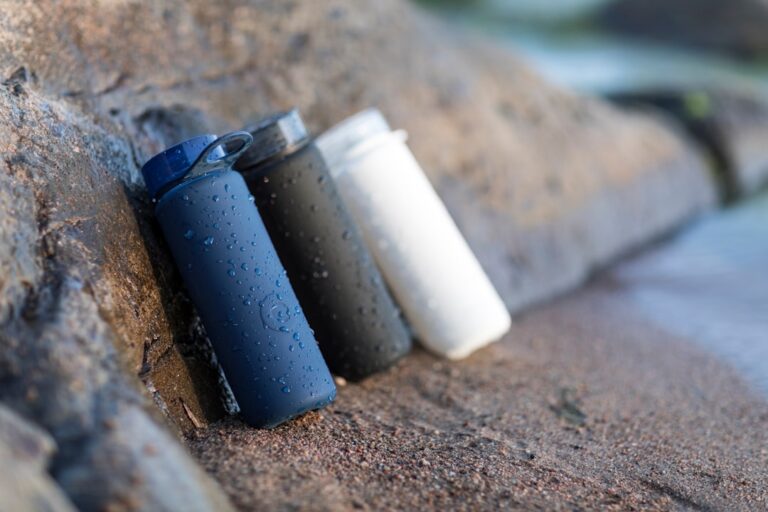
Keep in mind that some countries require an in-person exam regardless of your telehealth pre-screening. In that case, you need to find a local clinic that does dive medicals. Do not just show up at a random doctor; many general practitioners are not trained in dive medicine and may give you incorrect advice. Book a pre-travel medical with 1st Contact Travel Clinic before you leave to avoid this hassle. Divers who need a reliable way to organize forms may appreciate a waterproof document wallet to keep medical certificates and insurance details dry.
[IMAGE_2]
Dive Medical Standards for Liveaboard Trips: Whatâs Different
Liveaboards operate differently than day boats, and that changes the medical requirements. On a liveaboard in remote areas like Raja Ampat, the Galapagos, or the Red Sea, evacuation to a hyperbaric chamber can take hours or even days. That risk makes operators more cautious.
Many liveaboards require a medical certificate dated within the last six months, even for experienced divers. Some ask for a full physical exam, not just a signed waiver. Day boats in the same region may be more relaxed, but liveaboards have their own policies. Check the specific liveaboard’s medical requirements before you book. Do not assume that because your certificate is valid for a year, it will be accepted for a liveaboard trip. If you book a pre-trip medical clearance appointment with a clinic that understands liveaboard standards, you can ensure your paperwork meets the operator’s expectations.
Comparing Medical Requirements: Southeast Asia vs. the Caribbean vs. Europe
These three regions have different approaches to dive medical standards. Here is a quick comparison table:
Southeast Asia (Thailand, Indonesia, Philippines): Medical forms are rare for recreational diving. Most shops accept a signed waiver. However, some higher-end operators and liveaboards may ask for a certificate. Recommended for divers with any medical conditions: bring a medical certificate anyway.
Caribbean (Cayman Islands, Bonaire, Bahamas): Medical forms are required for deep or advanced diving (e.g., technical, decompression). Recreational divers often dodge the requirement. But some islands, like Bonaire, are becoming stricter. Check with your operator. If you plan to do multiple dives over several days, a certificate is a smart idea.
Europe (Malta, Spain, Croatia): Mandatory for certification. A certificate is required for any training course, and some countries require it for every dive. The medical standard is usually set by the national diving federation. Expect to show a certificate at the dive shop before your first dive.
In my experience, Europe is the safest region because the standards are enforced. Southeast Asia is the easiest from a paperwork perspective, but that ease comes with personal responsibility. The Caribbean sits somewhere in the middle. If you want to avoid surprises, get a certificate before you travel, regardless of the destination. Frequent travelers who carry multiple documents may benefit from a travel document organizer to keep everything accessible.
What to Do If You Are Denied Medical Clearance in Another Country
Getting denied medical clearance on a dive trip is frustrating, but it happens. Here is how to handle it.
First, get documentation of the denial. Ask the doctor to write a note explaining why you were not cleared. That documentation can be useful for your next appointment or for a second opinion. Second, ask for a referral to a specialist. Some conditions, like a pneumothorax or a heart murmur, require evaluation by a cardiologist or pulmonologist before they can be considered safe for diving. A general practitioner may not have the expertise to make that call. Third, seek a second opinion from a dive medicine doctor. DAN has a global network of physicians who specialize in diving medicine. They can give you a final determination. Fourth, and this is the hardest, know when to accept the decision. If two qualified doctors tell you it is not safe to dive, do not push it. Your life is not worth a single trip.
Preparing for Your Trip: Medical Documents to Pack
Here is a list of what you should carry in your dive bag. Printed copies are best; digital backups are useful but not always accepted.
- Current dive medical certificate (valid and dated within the required period)
- WRSTC medical statement (filled out and signed)
- List of your current medications and dosages
- Emergency contact information (your travel partner, DAN, local embassy)
- Dive insurance details (policy number, contact number, coverage limits)
- A waterproof document bag to keep everything dry
When to Schedule Your Dive Medical for International Travel
Timing matters more than most divers think. Schedule your dive medical at least two to four weeks before your departure. That gives you time to follow up if the exam raises any flags. If you need a specialist referral, you will not be scrambling the day before your flight. For liveaboard trips that require a certificate within six months, schedule it about three months before the trip to be safe.
Last-minute exams are risky. If the doctor has a cancellation or you get delayed, you could miss your trip. Book your dive medical with 1st Contact Travel Clinic now to avoid unnecessary stress.
[IMAGE_3]
Bottom Line: Donât Let Medical Standards Ruin Your Dive Trip
Every country has its own rules, and those rules can trip you up if you do not plan ahead. Research the specific requirements of your destination. If you have any doubt, get a medical certificate before you leave. It is a small investment that protects your trip and your health. A clinic that understands dive medicine, such as 1st Contact Travel Clinic, can help you navigate the paperwork and ensure you are fit to dive. Do not wait until you are standing at the dive shop desk with a form that nobody accepts. Book your appointment now and dive with confidence.