Dive Fitness Training Exercises to Improve Safety and Stamina
Introduction
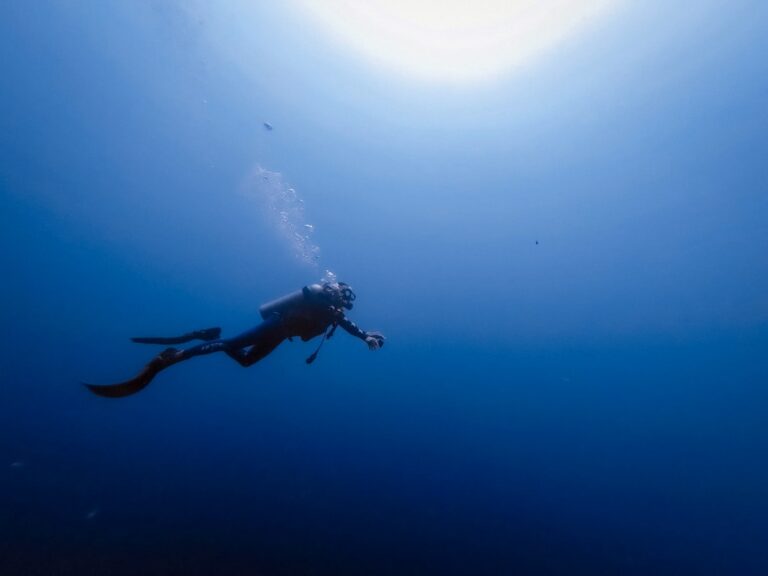
Diving is not exactly a passive activity. Even in calm, warm water, your body is working. You are carrying heavy gear, moving against resistance, managing your breathing, and regulating your temperatureâall at the same time. That is why dive fitness training exercises matter. They are not about looking good on the boat. They are about improving your safety, extending your bottom time, and making sure you come up from every dive feeling good rather than wiped out.
This article covers practical exercises that address the specific demands of diving. Whether you are a newer diver who feels winded after a shallow reef dive or an experienced diver noticing your air consumption creeping up, these movements can help. We will look at core strength, breath control, leg endurance, and upper body stability. You do not need a gym membership or expensive equipment to get started.
[IMAGE_1]
Why General Fitness Isnât Enough for Diving
Most divers have good intentions. They run a few times a week, maybe do some push-ups, and feel confident heading into a dive trip. Then they hit the water and wonder why their legs burn after fifteen minutes or why their tank feels heavier than it did last year.
The problem is that general fitness routines donât replicate the specific physical demands of diving. Think about what diving actually asks of your body:
- Core stability for neutral buoyancy and trim. Without it, you compensate with your arms and legs, wasting energy.
- Shoulder endurance for finning, reaching valves, and managing current.
- Lower body strength for kick styles that require power from your hips and glutes, not just your quads.
- Cardiovascular efficiency for handling thermal stress, exertion, and the slight respiratory load of a regulator.
I once worked with a diver who could bench press his body weight and run 10 kilometers comfortably. On his first dive after a two-year break, he burned through a full aluminum 80 in 25 minutes. His legs were cramping, his breathing was shallow, and his buoyancy was all over the place. He was fit in a general sense, but not dive-fit. That is a pretty common story, and it shows why specificity matters.
Core Strengthening Exercises You Can Do Anywhere
Your core is the foundation of good diving. A strong, stable core keeps you horizontal in the water, reduces drag, and prevents you from using your arms and legs to correct position. Every time you flare your arms or scull to stay level, you waste oxygen.
Here are four core exercises that translate directly to diving:
- Dead Bugs: Lie on your back with arms and legs raised. Slowly extend your opposite arm and leg toward the floor, then return. This teaches you to maintain a stable spine while moving your limbsâexactly what you do when finning.
- Planks with Leg Lifts: Hold a plank position and slowly lift one leg a few inches. Hold for two seconds, lower, and switch. This builds the anti-rotation stability you need for side currents.
- Side Planks: Hold on each side for 30â45 seconds. Add a leg lift to increase difficulty. Side planks strengthen your obliques, which help you maintain trim when you look around underwater.
- Bird Dogs: On hands and knees, extend your right arm and left leg simultaneously. Hold for a slow exhale, then switch. This mimics the coordination of finning while managing buoyancy.
Practical tip: Perform each contraction through a slow, controlled exhale. This teaches your body to engage your core while managing airflow, which is exactly what you do on every kick cycle underwater.
You can do these on a yoga mat, on carpet, or even on a towel. Travelers who need a portable option for hotel rooms or dive resorts may find a travel-friendly yoga mat helpful for maintaining core training away from home.
Breath Control and Cardiovascular Conditioning
Breathing underwater is different. Your regulator adds resistance, and the ambient pressure changes how air moves in and out. If your cardiovascular system is inefficient, you will breathe harder, use more air, and feel fatigued faster.
The goal is not breath-holding. That is a separate skill with its own risks. Instead, focus on exercises that train your body to stay calm and efficient while under load.
- Walking lunges with measured breathing: Take four steps while inhaling, then four steps while exhaling. This trains your diaphragm to work against movement, which translates directly to finning against current.
- Swimming with a snorkel: Swim easy laps while focusing on slow, deep breaths. This builds respiratory endurance and helps you find a natural rhythm. It also strengthens the muscles you use to breathe against the regulatorâs resistance. A training snorkel designed for lap swimming can be a practical addition to your pool sessions.
- Steady-state cardio: A 20- to 30-minute jog or cycle at a conversational pace. This builds the aerobic base you need for long dives without spiking your heart rate.
Tradeoff note: High-intensity interval training (HIIT) is popular for general fitness, but it trains your body to handle short bursts of effort followed by recovery. Diving is more of a steady, moderate effort. HIIT has a place, but steady-state cardio should be the foundation of your dive fitness training exercises. If you do both, prioritize the steady work.
Common mistake: Overbreathing before a descent. Many divers take several deep, rapid breaths to âoxygenateâ before dropping down. This can lead to hyperventilation, which reduces your urge to breathe and can cause blackouts at depth. Breath control training should teach you to slow down, not speed up.
[IMAGE_2]
Leg and Hip Endurance for Efficient Finning
Your legs are your primary propulsion. If they fatigue quickly, you compensate with your arms, which ruins your trim and increases air consumption. The key is to train the whole chainâhips, glutes, quads, hamstrings, and even the small stabilizers around your knees.
- Glute bridges: Lie on your back, knees bent, feet flat. Drive your hips up, squeezing your glutes at the top. Hold for two seconds before lowering. This activates the glutes, which are the main driver of a powerful frog kick.
- Clam shells: Lie on your side with legs bent at 45 degrees. Keeping feet together, lift your top knee without rotating your hips. This strengthens the hip abductors, which stabilize your legs during flutter kicking.
- Hip thrusts: With your shoulders on a bench or couch, place a weight (or just body weight) across your hips and drive upward. This builds raw power for currents and long surface swims.
- Hamstring curls: If you have access to a stability ball or a sliding pad, hamstring curls are excellent. They balance your quad strength and reduce the risk of knee strain during fin kicks.
Common mistake: Only training quads. Many divers do squats and lunges but neglect hamstrings and glutes. This creates muscular imbalance that can lead to knee pain, especially during frog kick or when finning against current.
Sample mini-circuit: Perform 3 sets of 12 reps for each exercise. Take 30 seconds rest between sets. Do this circuit 3 times per week, and you will notice a real difference in your finning efficiency within a month.
Upper Body Strength for Equipment Handling and Currents
Diving requires upper body strength for two reasons: handling equipment on the surface and moving through water. Your shoulders, back, and grip play a bigger role than many divers realize.
- Rows: Use resistance bands, a cable machine, or a dumbbell. Rows strengthen your back and shoulders for lifting tanks, putting on gear, and swimming against current.
- Push-ups: Standard or modified. Push-ups build pressing strength for hauling yourself onto a boat or pushing through surge. They also engage your core.
- Band pull-aparts: Hold a resistance band in front of you with both hands and pull it apart, squeezing your shoulder blades together. This strengthens your rear deltoids and improves posture, which is important for maintaining a streamlined position in the water.
I once dove with a photographer who struggled to don his own tank because his shoulders lacked the rotational strength to reach behind his back. After a few weeks of band pull-aparts and rows, he could gear up independently without help. That kind of improvement directly impacts your confidence and safety on the boat.
Resistance bands are a smart investment here because they are lightweight, portable, and versatile. Beginners may want to start with a set of resistance bands that offer different tension levels for progressive training.
A Simple 5-Day Dive Fitness Routine
Consistency matters more than intensity. You donât need to train like a professional athlete. You need to train consistently and specifically. Here is a weekly plan that takes about 25â30 minutes per session:
- Monday â Core: Dead bugs, planks with leg lifts, side planks, bird dogs. 3 sets of each, holding or repeating for 30 seconds.
- Tuesday â Legs and Breath Control: Glute bridges, clam shells, hip thrusts, plus walking lunges with measured breathing (4 steps inhale, 4 steps exhale). 3 sets of 12 reps.
- Wednesday â Active Recovery: 20-minute walk, gentle stretching, or foam rolling. Focus on hip openers and shoulder mobility.
- Thursday â Upper Body and Cardio: Rows, push-ups, band pull-aparts. Follow with 15 minutes of steady-state cardio (jog, cycle, or swim).
- Friday â Full-Body Circuit: Combine one exercise from each category. Perform each for 40 seconds with 20 seconds rest, repeating the circuit 3 times.
Take the weekend off or do a light activity like walking or a gentle yoga flow. This routine is sustainable, requires minimal equipment, and directly supports your diving.
Common Mistakes Divers Make With Fitness Training
Even well-intentioned divers make errors that can set them back. Here are the most common ones I see:
- Training too close to a dive trip: Starting a new routine two weeks before travel can leave you with sore muscles and fatigue. Start your main routine at least 8 weeks out and taper intensity in the week before your trip.
- Ignoring flexibility: Strong muscles without mobility lead to injuries, especially in the shoulders. Incorporate shoulder stretches and hip openers into your cooldown. Five minutes of flexibility work prevents problems that sideline you for months.
- Using weights that are too heavy: Controlled movement is more important than heavy loading. If you cannot perform a glute bridge or row with perfect form, reduce the weight. Diving requires precision, not brute force.
- Neglecting neck and grip strength: Long dives involve holding your head up to look at marine life and gripping a camera or dive light. Add neck isometric holds (press your head into your hand) and farmer carries (walk with a weight in each hand) to your routine.
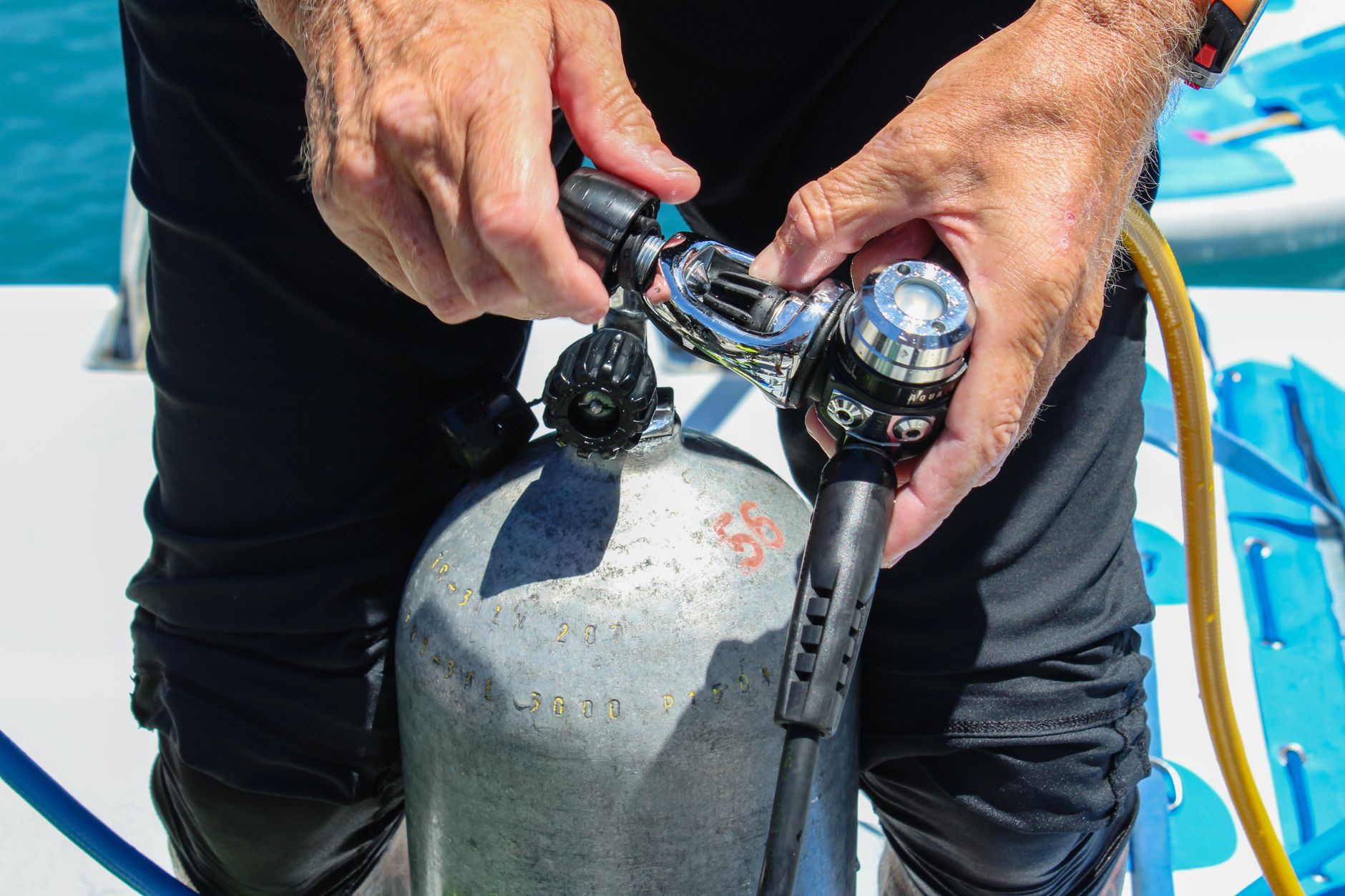
Equipment That Supports Your Dive Fitness Routine
You donât need much to start, but a few pieces of equipment can make your training more effective and comfortable:
- A quality yoga mat: Provides grip and cushion for floor exercises. Look for one that is at least 5mm thick for comfort during dead bugs and planks.
- Resistance bands: Ideal for rows, band pull-aparts, and adding resistance to glute bridges. They pack easily and are great for travel.
- A swim snorkel: Useful for breath work in the pool. A simple training snorkel with a purge valve is affordable and works well.
- A foam roller: For post-workout recovery, especially on your hips, quads, and upper back. Five minutes of rolling after a session reduces soreness and improves flexibility.
Start with a mat and a set of bands. Add other items as you build consistency. Buying everything at once is rarely necessary.
[IMAGE_3]
When to Start Training Before a Dive Trip
Timing makes a difference. If you start too late, you risk arriving sore and fatigued. If you start too early without structure, you might lose motivation.
Here is a realistic timeline:
- 8 weeks before: Begin the full 5-day routine. This gives your body time to adapt and build strength in a controlled way.
- 4 weeks before: Focus more on breath control and cardiovascular work. Add the walking lunges with measured breathing and increase your steady-state cardio to 20â25 minutes.
- 1 week before: Taper intensity. Do light core work, gentle stretching, and easy cardio. Avoid any heavy resistance training. You want to arrive at your dive site feeling rested, not sore.
I once had a diver contact me who started a HIIT program two weeks before a trip to Raja Ampat. He arrived exhausted, with leg soreness that lasted through his first three dives. His air consumption was terrible, and he missed part of a coral garden because he needed to ascend early. Gradual adaptation would have served him far better.
Final Recommendations for Building a Safe, Stamina-Focused Routine
Dive fitness training exercises are about consistency and specificity. You donât need to look like an athlete. You need to move efficiently, breathe calmly, and finish your dives with energy to spare.
Start small. Pick two exercises from this article and do them today. Add a third next week. Build from there. Over time, these movements will become habits, and you will notice real improvements in your air consumption, your buoyancy, and your overall enjoyment of the sport.
If you have underlying health concerns or are returning to diving after a long break, consider reaching out to the 1st Contact Travel Clinic for personalized pre-dive health advice. Fitness is one part of dive wellness, but it is a powerful one. Train smart, dive safe, and enjoy every minute underwater.