Best Dive Regulator for Cold Water: Safety, Performance, and Top Picks
Introduction
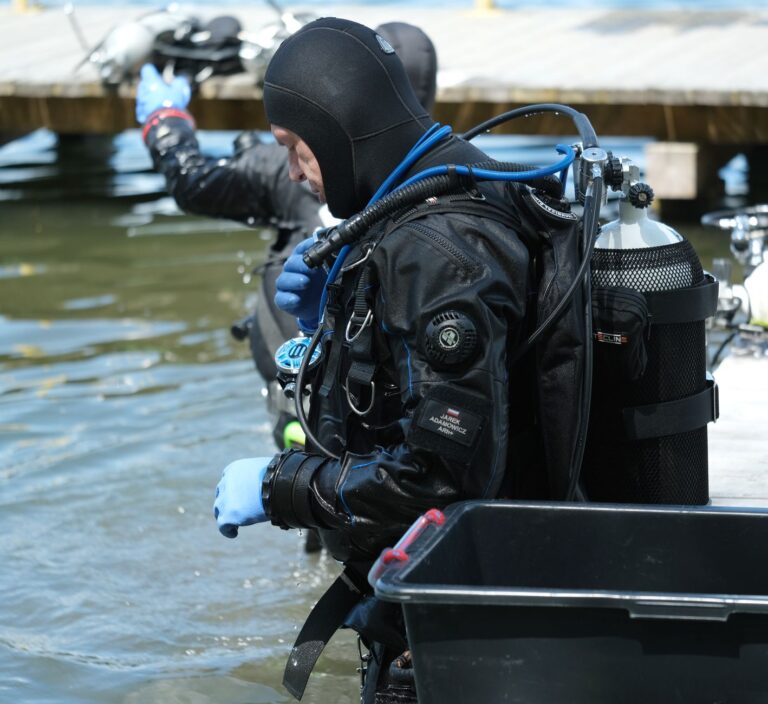
Cold water diving changes everything. The moment you drop below 50°F (10°C), your regulator faces conditions it was never tested for in a warm pool. Ice can form inside the first stage. The second stage can free-flow without warning. And if your regulator freezes, you’re not just uncomfortable â you’re in danger.
Finding the best dive regulator for cold water isn’t about brand loyalty or marketing. It’s about understanding which designs actually resist freezing, which materials handle thermal shock, and which models have been independently tested. This guide is for anyone planning cold-water dives â whether you’re buying your first one or upgrading from a tropical setup. I’ll cover the key technical features that matter, common mistakes divers make, and specific models that have proven themselves in real cold-water conditions.
Let’s start with what makes a regulator suitable in the first place.
[IMAGE_1]
What Makes a Regulator Suitable for Cold Water?
Not all regulators are built the same. A regulator designed for warm water can fail catastrophically in cold conditions. Here’s what separates cold-water gear from the rest.
Environmental sealing is the most critical feature. This keeps water out of the first stage’s internal mechanism. In cold water, any moisture that enters can freeze and lock the piston or diaphragm. There are two main types: sealed diaphragm first stages (which are inherently more freeze-resistant) and sealed piston first stages. The seal itself is usually a dry seal â a silicone boot or cap that prevents water ingress. Divers looking for a regulator with robust environmental sealing can browse sealed diaphragm regulators on Amazon.
Heat exchanger fins are small metal vanes on the second stage that transfer heat from your breath to the mechanism. This heat helps prevent ice from forming on the moving parts. In very cold water (below 40°F/5°C), these fins can make the difference between a regulator that breathes normally and one that freezes open.
Balanced vs. unbalanced first stages matters less for cold water than many divers think, but a balanced first stage does maintain consistent intermediate pressure as tank pressure drops. This can reduce the likelihood of second-stage ice formation under heavy breathing at depth. I’ve seen balanced and unbalanced models both pass cold-water certification tests.
Freeze-resistant second stages use materials like titanium or engineered plastics that conduct heat better than chrome-plated brass. Many also include an adjustment knob that lets you increase cracking effort slightly in cold water, which reduces the chance of a free-flow.
A quick note on connections: DIN is strongly preferred over yoke for cold water. DIN valves operate at higher pressures and have a threaded connection that is less prone to ice formation around the tank valve. If you can, check DIN adapters on Amazon to see what’s available.
But even the best regulator can freeze if it’s not maintained properly. More on that later.
The 3 Most Common Mistakes Divers Make When Choosing a Cold-Water Regulator
I’ve seen divers show up for cold-water dives with gear that wasn’t ready. Here are the three mistakes I see most often.
1. Buying a warm-water regulator and assuming it’s fine for cold. A top-tier tropical regulator may have no environmental sealing at all. It may pass an IP test but lack dry seals. In cold water, moisture enters the first stage, freezes, and the regulator begins to free-flow on the surface or during descent. I’ve watched this happen at 45°F. The diver had to abort the dive. Don’t assume your current regulator is cold-water capable just because it’s expensive.
2. Ignoring servicing intervals before a cold trip. A regulator that hasn’t been serviced in two years will have dry o-rings, degraded lubricant, and possible internal corrosion. In cold water, this becomes a safety hazard. Old grease can thicken or crack, allowing moisture in. Get your regulator serviced before your cold-water trip, not after.
3. Prioritizing price over freeze resistance. I understand the budget constraint. But if you’re diving in water below 50°F, buying a $200 regulator without environmental sealing is a false economy. The cost of a single aborted dive trip, or worse, an emergency ascent, far exceeds the price difference. Spend on freeze resistance first, then look at other features.
These mistakes are avoidable. Now let’s talk about how to compare regulators properly.
[IMAGE_2]
Key Features to Compare in Cold-Water Regulators
When evaluating regulators for cold water, don’t just look at the price tag or the brand name. Compare these six features directly.
1. Environmental sealing type. Is the first stage sealed against water ingress? Look for terms like “dry seal,” “environmental seal,” or “cold-water kit.” A sealed diaphragm first stage provides the most reliable protection. A sealed piston first stage (like Scubapro’s MK25 Evo) uses special thermal insulation to achieve a similar effect.
2. Material. Chrome-plated brass is standard and works well. Titanium is lighter and less susceptible to corrosion, which matters in cold saltwater. Some titanium models also conduct heat better, reducing freeze risk. But titanium costs more. For most cold-water divers, good chrome-plated brass is fine.
3. Freezing resistance certification. In the US and Europe, cold-water certification is defined by the standard CE EN250:2014 for cold water. This test simulates diving in 50°F (10°C) water. Some regulators pass, some don’t. Check the manufacturer’s specs. If they don’t list cold-water certification, assume it’s not certified.
4. First-stage design. Balanced piston or balanced diaphragm? Both can work. Piston designs (like the Scubapro MK25 Evo) tend to have higher flow rates. Diaphragm designs (like Atomic’s sealed diaphragm) are inherently more resistant to water ingress. Know which you’re buying and why.
5. Second-stage pneumatically balanced vs. unbalanced. A pneumatically balanced second stage delivers consistent breathing effort regardless of depth or tank pressure. In cold water, this reduces the chance of free-flow because the valve doesn’t slam open. Unbalanced second stages are simpler and cheaper but can be harder to breathe at depth.
6. Adjustment knob for cracking effort. An adjustable second stage lets you increase cracking effort slightly in cold water. This prevents the regulator from free-flowing when it gets cold. Not all regulators have this. For cold water, I’d prioritize it.
Use these criteria to compare models. Now let’s look at specific recommendations.
Top Cold-Water Regulator 1: Aqualung Legend ACD
The Aqualung Legend ACD is a solid workhorse for cold-water diving. Its defining feature is the Automatic Closure Device (ACD), which seals the first-stage inlet when the regulator is disconnected from the tank. This prevents moisture from entering the first stage during surface intervals and tank changes â exactly the kind of thing that causes ice formation later.
The first stage is a balanced diaphragm, which is inherently freeze-resistant. The second stage features a dry seal and a heat exchanger. I’ve used this regulator in water just below 40°F, and it breathed smoothly the entire dive. It’s not the fanciest regulator on the market, but it’s reliable and relatively affordable.
Best for: Budget-conscious cold-water divers who want proven freeze resistance without breaking the bank.
- Pros: Excellent seal protection, ACD system prevents water ingress, balanced diaphragm for consistent performance, good price point.
- Cons: Second-stage adjustment is limited, slightly heavier than some competitors, chrome-plated brass (not titanium) so corrosion can be an issue if not rinsed well.
If you’re looking for a regulator that will serve you well in cold water without spending a thousand dollars, the Legend ACD is a strong choice. Check current prices on Amazon.
Top Cold-Water Regulator 2: Scubapro MK25 Evo / S620 Ti
This is the gold standard for serious cold-water divers. The MK25 Evo first stage is a balanced piston design, but Scubapro added extended thermal insulation that practically eliminates the risk of ice forming inside. It’s one of the few piston regulators that reliably passes the cold-water certification test.
The S620 Ti second stage is made with a titanium body and a stainless steel heat exchanger. The adjustment knob lets you fine-tune cracking effort. In my experience, this regulator breathes effortlessly even in water below 35°F during ice diving. The titanium construction also makes it lightweight and corrosion-resistant.
Best for: Divers who demand top performance in very cold conditions, including ice diving and deep cold-water wreck diving.
- Pros: Exceptional freeze resistance, titanium second stage, adjustable cracking effort, balanced piston with high flow rate, long service intervals, readily available parts.
- Cons: Expensive, first stage is larger and heavier than some diaphragm models, annual servicing is recommended for optimal performance.
If you dive cold water frequently or plan to do ice diving, this is the regulator I recommend most often. Check current prices on Amazon.
Top Cold-Water Regulator 3: Atomic Z3
Atomic has a reputation for making regulators that breathe incredibly well, and the Z3 is no exception. It features a sealed diaphragm first stage â no water can enter the mechanism. This is by far the most reliable environmental seal type for cold water because there’s no way for moisture to get inside. The second stage is all-metal, has a swivel connection for comfort, and includes Atomic’s Automatic Adjustment System (AT) that reduces free-flow risk.
The Z3 is also relatively lightweight compared to some all-brass models, making it a good choice for divers who travel to cold-water destinations. I’ve used this regulator on trips to Norway and the Pacific Northwest, and it performed flawlessly.
Best for: Divers who prioritize reliability and easy breathing, and those who travel frequently to cold-water locations.
- Pros: Sealed diaphragm for exceptional freeze resistance, swivel hose for comfort, all-metal construction, lightweight (great for travel), AT system reduces free-flow.
- Cons: Price is similar to the Scubapro MK25 Evo, second-stage adjustment is minimal, some divers find the mouthpiece a bit large.
The Atomic Z3 is a premium regulator, but it delivers peace of mind in cold water. Check current prices on Amazon.
Budget Pick: Cressi Compact XS
Not everyone can drop $700+ on a regulator. The Cressi Compact XS offers a realistic budget option that still provides cold-water capability. It has a sealed first stage (pneumatically balanced), and the second stage comes with a cold-water parts kit that includes a heat exchanger and special seals. It is EN250:2014 cold-water certified.
That said, the freeze protection is not as advanced as the premium models. The Compact XS will work fine in water down to about 40°F (5°C), but I wouldn’t trust it for ice diving or prolonged deep dives in very cold water. It’s best for occasional cold-water dives â think winter lake diving or early-season ocean dives.
Best for: Divers on a budget who dive cold water occasionally, or as a backup regulator for cold-water trips.
- Pros: Affordable, EN250 cold-water certified, lightweight and compact, good breathing performance for the price.
- Cons: Less robust freeze protection than premium models, not ideal for very cold or ice diving, second-stage adjustment is limited.
If you need a cold-water regulator but can’t justify the cost of the top-tier options, the Cressi Compact XS is a sensible choice. Check current prices on Amazon.
[IMAGE_3]
Comparison Table: Top Cold-Water Regulators at a Glance
| Model | First Stage Type | Environmental Seal | Freeze Certification | Second Stage Adjustments | Best For | Price Range |
|---|---|---|---|---|---|---|
| Aqualung Legend ACD | Balanced Diaphragm | ACD + Dry Seal | EN250 Cold Water | Limited (knob crack adjustment) | Budget cold-water divers | $500â$600 |
| Scubapro MK25 Evo / S620 Ti | Balanced Piston (Insulated) | Extended Thermal Insulation | EN250 Cold Water | Pneumatic + Knob | Serious cold-water, ice diving | $800â$1,000 |
| Atomic Z3 | Balanced Diaphragm | Sealed Diaphragm | EN250 Cold Water | AT System + Swivel | Travel + reliability | $750â$950 |
| Cressi Compact XS | Pneumatic Balanced | Sealed First Stage | EN250 Cold Water | Limited | Occasional cold-water, backup | $300â$400 |
This table gives you a quick side-by-side view of the best dive regulator for cold water options. Use it as a starting point, then dig into the specifics of each model.
DIN vs. Yoke: Which Connection Is Better for Cold Water?
This one is straightforward. DIN (Deutsche Industrie Norm) connections are better for cold water. Here’s why.
DIN valves operate at higher pressures (300 bar vs. 200 bar for yoke) and have a threaded connection that seals more consistently. More importantly, the tank valve’s o-ring is protected inside the regulator connection, not exposed to the environment. In cold water, ice can form on exposed o-rings and tank valves, causing the connection to leak. DIN minimizes this risk.
Yoke valves are fine for warm water, but in cold conditions, the exposed connection can freeze and fail. I’ve seen it happen. If you have a choice, buy DIN. If you already have a yoke regulator, you can use a DIN-to-yoke adapter, but it adds another potential failure point. For cold-water diving, invest in DIN.
Servicing Your Cold-Water Regulator: What You Need to Know
A regulator is a precision instrument, and cold water stresses it. Servicing is not optional.
Recommended interval: Annually or every 100 dives, whichever comes first. Cold-water diving accelerates wear on seals and o-rings because of thermal cycling. If you dive cold water frequently, consider biannual servicing.
Use a certified service center. Not all dive shops are created equal. Use an authorized service center for your brand. They have the correct parts, lubricants, and specifications. A generic rebuild can ruin your regulator’s performance.
Check for freezing between dives. After a cold-water dive, check the first stage for ice buildup before your next dive. If you see ice, do not use the regulator until it thaws completely and is inspected. This is especially important during multiple dives in a day.
Lubrication matters. The grease used in regulators is specially formulated for cold conditions. Standard silicone grease can thicken and cause sticking. Let your service technician handle this.
I’ll be blunt: a poorly serviced $1,000 regulator is less safe than a well-serviced $400 model. Don’t skimp on maintenance.
Final Recommendation: Which Regulator Should You Buy?
After testing and using these regulators in cold conditions, here’s my final advice based on your profile.
If you dive cold water regularly, including ice diving: The Scubapro MK25 Evo / S620 Ti is the best choice. It offers the most advanced freeze resistance and highest breathing performance. It’s an investment, but it will serve you for years.
If you dive cold water occasionally and want solid performance without the premium price: The Atomic Z3 is an excellent option. Its sealed diaphragm provides reliable protection, and it’s lighter for travel.
If you’re on a budget or need a backup: The Cressi Compact XS gets the job done for occasional cold-water dives. Just understand its limitations.
If you want a proven workhorse that’s easy on the wallet: The Aqualung Legend ACD is a strong, reliable choice for most cold-water scenarios.
No matter which you choose, ensure it’s properly serviced and that you understand its cold-water certifications. Your safety depends on it.
Click the links above to check current prices on Amazon and secure your gear before your next cold-water trip.