Best Dive Insurance for Liveaboard Trips: What You Need to Know
Introduction
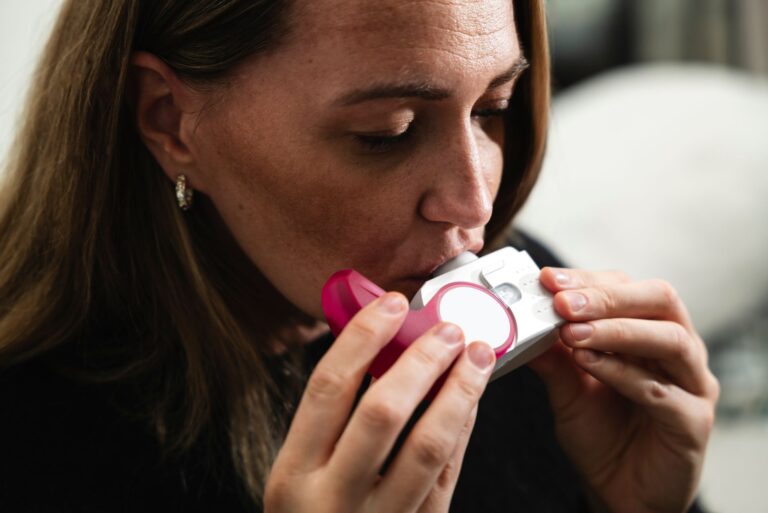
Booking a liveaboard is usually the most exciting part of planning a dive trip. But it’s also the time to think seriously about insurance. If something goes wrong 40 miles offshore, with the nearest chamber a helicopter ride away, standard travel insurance won’t cut it. That’s why finding the best dive insurance for liveaboard trips is one of the most important decisions you’ll make before you leave the dock.
[IMAGE_1]
A liveaboard is a different beast from a resort or day boat. You’re sleeping on the water, diving multiple times a day, often in remote areas. The risks are higher, the logistics more complex, and the potential costs of an accident are far greater. This guide breaks down what coverage you actually need, which providers deliver it, and how to avoid the common pitfalls that leave divers exposed.
Why Liveaboard Trips Require Specialized Dive Insurance
When you’re on a liveaboard, you’re not just paying for a bed and meals. You’re buying into a mobile base of operations that is often far from reliable medical infrastructure. A standard travel insurance policy might cover a sprained ankle or a lost bag, but it will almost certainly exclude decompression illness, and its evacuation limits will be laughably low for a real emergency.
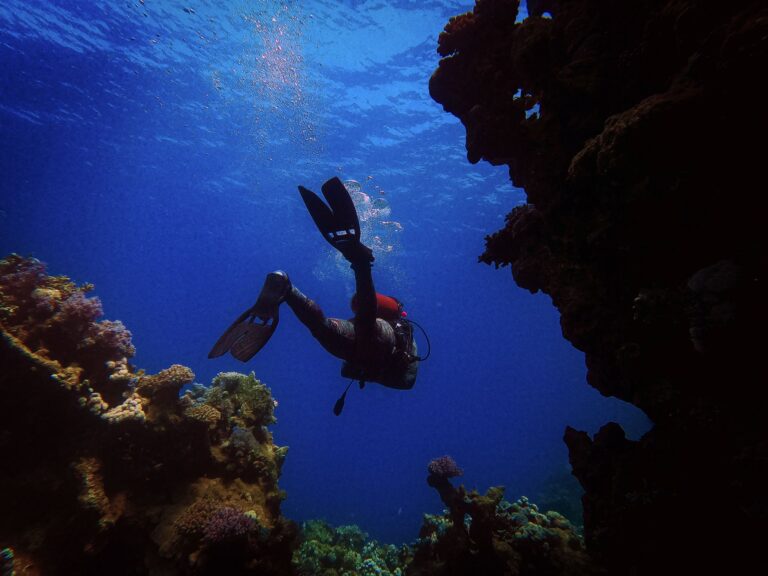
Consider this scenario: You come up from your fourth dive of the day with shoulder pain and tingling in your fingers. The boat is in the Raja Ampat archipelago, hours from the nearest town. The nearest chamber might be in Sorong, possibly Jakarta, or even Singapore. Evacuation by helicopter could cost tens of thousands of dollars. Chamber treatment adds more. Without specialized dive insurance, you are personally responsible for that bill.
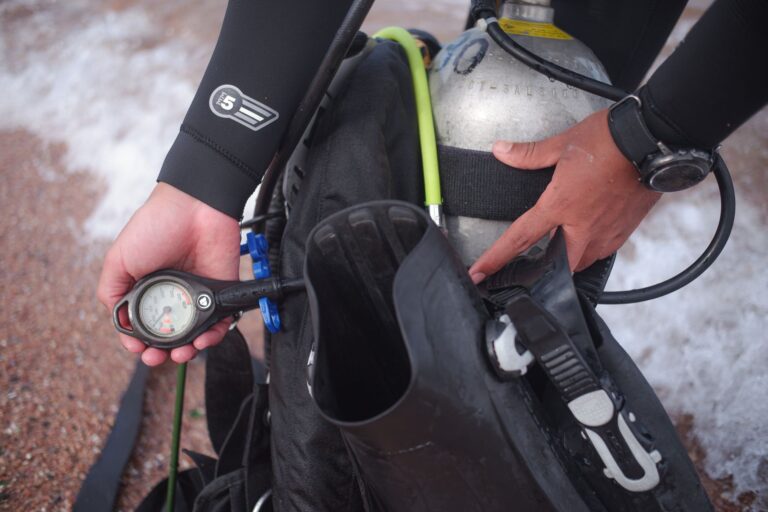
Liveaboard diving also increases your risk profile. You’re doing more dives per day, often with shorter surface intervals than you’d have on land. This pushes your nitrogen load and can increase the risk of DCI. Gear can get damaged from constant use and saltwater exposure. And if your equipment gets lost overboard or stolen during a port stop, you want coverage that actually understands dive gear. For divers who like to keep their gear organized, a heavy-duty roller dive bag is worth considering for protecting equipment during transport.
Dedicated dive insurance policies are built for these realities. They include high evacuation limits, specific coverage for decompression illness and chamber treatment, and often provide gear coverage that understands the cost of a rebreather or a camera housing. This isn’t a luxury. It’s a necessary piece of safety equipment.
Key Coverage Features to Compare When Choosing Your Policy
Not all dive insurance is created equal. When you start comparing policies, keep this checklist in mind. These are the features that matter most on a liveaboard:
- Medical Evacuation Limit: This is the single most critical number. You want a minimum of $100,000, but $500,000 is safer for remote locations. This covers helicopter evacuation to a hospital or chamber.
- Decompression Illness (DCI) Coverage: This should be included without a separate deductible or cap. Some policies have a sub-limit for DCI, which is a red flag. You want it covered under the main medical benefit.
- Hyperbaric Chamber Treatment: Similar to DCI coverage, but check if there’s a daily or total cap on chamber costs. A multi-day chamber stay can be very expensive.
- Gear Loss/Damage: If you own your own regulator, BCD, or camera, this matters. Look for a per-item limit that realistically covers your kit. Many policies have limits of $1,000â$2,000 per item, which may not be enough for a new dive computer or a camera housing. Frequent divers may want to look into a high-end dive computer watch that offers reliable nitrox and deep-stop capabilities.
- Trip Cancellation/Interruption: Liveaboards are expensive, and non-refundable deposits are common. This coverage reimburses you if you have to cancel due to illness, injury, or a family emergency.
- Personal Liability: If you accidentally damage the boat or injure another diver, this covers legal fees and settlements. It’s usually included but worth verifying.
- Depth Limits: Some policies have depth limits (e.g., 40 meters). If you’re doing deeper technical diving, you need a policy that accommodates that.
The tradeoff is straightforward: Higher limits cost more. But for a liveaboard trip costing $3,000â$10,000, the extra $50â$100 for a better policy is trivial compared to the potential expense of a medical emergency.
Top Dive Insurance Providers for Liveaboard Diving
Here’s a practical comparison of the most reliable providers for liveaboard diving. Each has different strengths, and the right choice depends on your gear, your destination, and your risk tolerance.
| Provider | Best For | Key Coverage Highlights | Notable Exclusions | Typical Cost (1 Week Liveaboard) |
|---|---|---|---|---|
| DAN (Divers Alert Network) | Medical safety and evacuation | World-class evacuation network, comprehensive DCI and chamber coverage, $500k+ evacuation limits | Lower gear limits, no trip cancellation on all plans | $100â$200 |
| Dive Assure | Gear and trip coverage | High gear limits ($5k+), strong trip interruption, international assistance | Evacuation limits slightly lower than DAN | $120â$250 |
| World Nomads | Budget, short trips | Includes diving as an activity, easy online purchase, acceptable for basic needs | Lower evacuation caps, limited DCI coverage, exclusions for remote areas | $50â$100 |
| PADI Insurance | PADI members and students | Offers professional liability and student plans, includes dive accident benefits | May require student status or membership | Varies |
[IMAGE_2]
DAN Insurance: The Industry Standard for Liveaboards
DAN is the name that comes up most often when experienced divers talk about insurance, and for good reason. Their core product is built around medical evacuation and dive accident coverage. If your priority is getting fast, reliable medical help when something goes wrong, DAN is the benchmark.
The strength of DAN is their evacuation network. They have a dedicated team and relationships with air ambulance services and hyperbaric facilities worldwide. In the event of a serious DCI event, they can coordinate a helicopter or fixed-wing evacuation to the nearest chamber, often within hours. This is not something a general travel insurer can match. Their medical expense coverage for DCI is comprehensive, covering chamber treatments, hospital stays, and follow-up care.
The tradeoff is that DAN’s gear coverage is relatively weak. Most plans cap gear loss or damage at around $1,000â$2,000, which is not enough to replace a full set of high-end dive equipment. If you travel with expensive cameras or technical gear, you may need a separate policy or a different provider for that specific need.
For the diver who values safety and wants the best possible medical response, DAN is the obvious choice. Their reputation is built on decades of real-world experience handling dive emergencies. It’s the policy I recommend to divers who are going to truly remote locations like the Maldives, the Red Sea, or Indonesia.
Dive Assure: Best for Comprehensive Gear and Trip Coverage
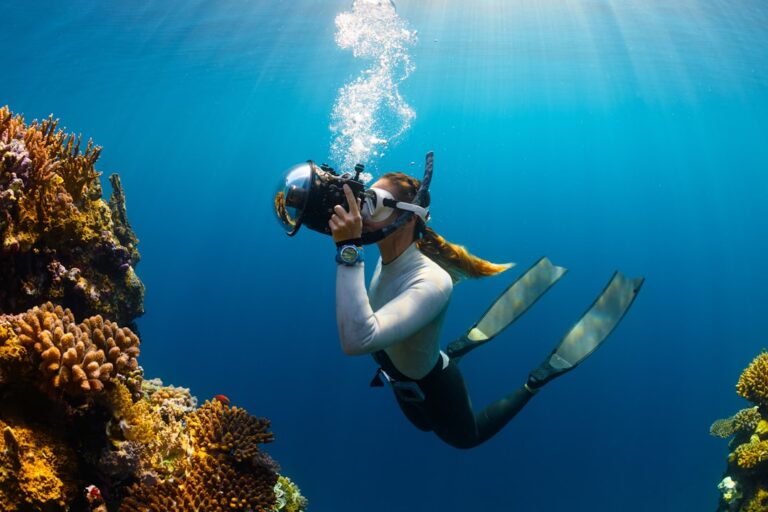
Dive Assure is a strong alternative if you carry expensive equipment or worry about the financial hit of a cancelled trip. Their policies offer some of the highest limits for gear loss or damage we’ve seen, often up to $5,000 or more per item. This is a huge advantage for underwater photographers or anyone diving with a tech rig.
They also provide excellent trip interruption and cancellation coverage. If a family emergency forces you to leave the boat early, or if the boat operator goes out of business, Dive Assure will reimburse you for the unused portion of your trip. This is rare among dive-specific insurers and can be a lifesaver for a liveaboard that costs thousands of dollars.
On the medical side, Dive Assure is solid. Their evacuation and DCI coverage is good, though their limits often fall slightly short of DAN’s highest-tier plans. For most liveaboard destinations, this is perfectly adequate, but if you’re going to the absolute most remote places, you might want to consider a top-up or a DAN plan for peace of mind.
Dive Assure is a great fit for divers with expensive gear, especially photographers or those using closed-circuit rebreathers. Their international acceptance is excellent, and they have a straightforward claims process.
World Nomads: A Budget Option for Flexible Travelers
World Nomads is often the first option that comes up in a general search for travel insurance, but it requires careful examination for liveaboard diving. On the surface, it covers scuba diving as an activity, which is more than many standard policies do. The price is usually lower than DAN or Dive Assure, making it attractive for short, low-cost trips.
The problem is the coverage limits. Evacuation caps are typically lower, often around $100,000, which may not be enough for a complex medical evacuation from a very remote location. Their DCI coverage is included, but the sub-limits can be restrictive if you need an extended stay in a chamber. There are also exclusions for diving beyond 30 meters or diving without proper supervision, which can be a problem for solo or technical divers.
Best for: Divers on a tight budget who are doing a short, low-risk liveaboard in a relatively accessible area (like the Caribbean or parts of Southeast Asia). It works as a basic safety net, but experienced liveaboard divers will find the gaps problematic. If you choose World Nomads, be absolutely sure you understand the depth limits and the evacuation cap for your specific destination.
Common Mistakes Divers Make When Buying Liveaboard Insurance
Even experienced divers make errors when choosing insurance. Here are the most common mistakes I see in the clinic, and how to avoid them:
- Assuming home insurance covers gear: It almost never does, and if it does, the limits are laughably low. Always check your policy or buy a separate dive-specific gear rider.
- Ignoring evacuation limits: A $50,000 evacuation cap sounds reasonable until you get a helicopter bill for $80,000. Aim for $500,000+ for remote liveaboards.
- Not verifying the liveaboard location is covered: Some policies exclude certain high-risk or ultra-remote areas. Always read the fine print for your specific destination.
- Overlooking pre-existing conditions: Many dive insurance policies exclude pre-existing medical conditions. If you have a heart condition, asthma, or diabetes, you may need a specialized plan or a rider.
- Ignoring depth limits: If you’re diving below 30 or 40 meters, confirm your policy covers that depth. Some budget policies have strict depth limits.
- Buying insurance after departure: Most policies require you to purchase coverage before your trip starts. If you wait until you’re on the boat, it’s too late for a claim related to the trip.
Each of these mistakes can turn a manageable situation into a financial disaster. The solution is simple: read the full policy document, not just the marketing material, and call the provider if you have questions about specific exclusions.
How Much Coverage Do You Really Need for a Liveaboard?
This is a practical question that depends on your trip cost and risk tolerance. Here are solid guidelines based on real-world scenarios:
- Medical Evacuation: $500,000 is the safest bet for remote liveaboards. $100,000 can suffice for Caribbean trips near major hubs, but don’t gamble on it.
- Decompression Illness and Chamber Treatment: Look for unlimited coverage or at least $50,000. Chamber treatments can easily run $10,000â$25,000 per day in some regions.
- Gear: $2,000â$5,000 per item is a realistic range for a diver with owned gear. If your gear is worth more, you need a higher limit or a separate rider.
- Trip Cancellation/Interruption: Carry coverage equal to the total cost of your trip, including flights and deposits. This is often $3,000â$10,000 for a liveaboard.
A simple rule of thumb: The cost of your insurance should be about 5â10% of your total trip cost. If you’re paying more, you might be over-insuring on gear you don’t own. If you’re paying less, you’re probably under-insured on evacuation and medical. Adjust your choices accordingly.
[IMAGE_3]
What to Do if You Need to Make a Claim on a Liveaboard
If the worst happens and you need to use your insurance, here’s what to do to keep things moving smoothly:
- Contact the insurance company immediately. Most have a 24/7 emergency hotline. Call them before you do anything else. They will guide you to the nearest approved facility.
- Notify the boat crew. The liveaboard’s crew usually has experience with dive emergencies. They can help with logistics and communication.
- Document everything. Keep copies of your dive logs, any medical reports, receipts, and written statements. Photos of the accident scene or gear damage are helpful.
- Follow the insurance company’s instructions exactly. If they tell you to go to a specific hospital or use a specific evacuation service, do it. Deviating can jeopardize the claim.
- Keep all original receipts. For gear claims, you’ll need proof of purchase or valuation.
Having the right insurance makes this process far less stressful. The company already knows what to do and has the resources to handle it. If you have a good policy, you can focus on recovery instead of worrying about bills.
Final Thoughts: Choosing the Best Dive Insurance for Your Liveaboard Trip
At the end of the day, choosing the best dive insurance for liveaboard trips comes down to one question: what are you most worried about? If it’s a medical emergency in a remote location, DAN is your safest bet. If you travel with expensive gear and want to protect your investment, Dive Assure makes more sense. And if you need a budget option for a short, straightforward trip, World Nomads can work, but only if you understand its limitations. For divers needing to carry a first-aid kit or oxygen kit onboard, a compact dive first aid and oxygen kit is a practical addition to the boat’s emergency supplies.
Regardless of which provider you choose, never skip the coverage for a liveaboard. The cost of a good policy is a fraction of what you’re already spending on the trip, and it’s the only thing that will protect you from financial ruin if a dive accident happens. Assess your own risk profile, read the fine print, and buy the policy that fits your specific needs.