Best Dive Insurance for Solo Divers: 5 Policies That Cover You
Introduction
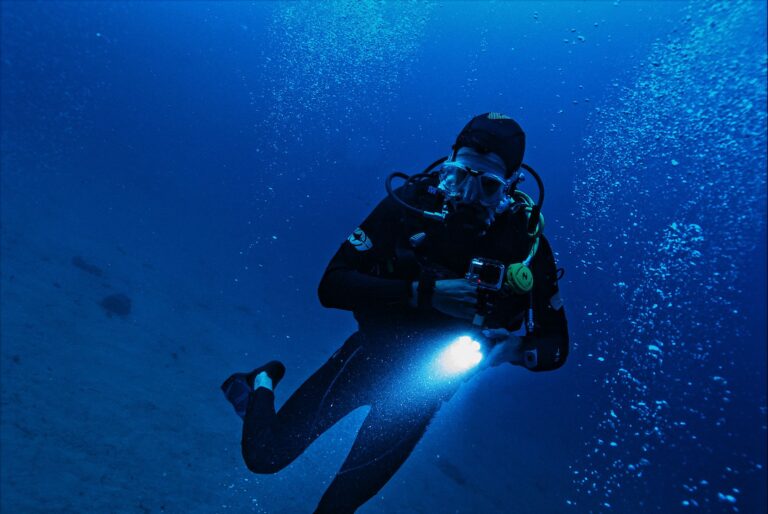
Diving solo changes the risk profile of every dive. Without a buddy from your group, you are the sole decision-maker, the first responder, and the one responsible for managing any incident until help arrives. Standard travel insurance policies rarely cover the specific liabilities of recreational diving, and many explicitly exclude coverage when you are diving without a buddy assigned by the operator. That is why finding the best dive insurance for solo divers means looking for policies that include specific benefits like solo-diver cover, higher medical evacuation limits, and real equipment protection. I spend a lot of my time talking to divers who assumed they were covered and only found out they weren’t when something went wrong. This guide is meant to change that.
[IMAGE_1]
Why Solo Divers Need Specialized Insurance
The fundamental difference between solo and buddy diving comes down to response time. In a group dive, your buddy is immediately available to help with an out-of-air situation, assist with entanglement, or signal for help. When you are solo, no one is there to assist. A minor issueâa leaking valve, a cramp, a moment of disorientationâcan escalate quickly. If you surface alone and need medical attention, no one is there to call for help or provide a surface marker to boat traffic.
Additionally, many standard dive insurance policies include a âbuddy requirementâ clause. They will not pay out if you were diving alone at the time of the incident, even if the dive operator allowed it. That is a nasty surprise a lot of solo divers discover only when they file a claim. The best dive insurance for solo divers explicitly removes that exclusion, or includes a rider that covers you when diving without a direct buddy. This isnât about fear-mongering. Itâs about matching coverage to reality. Solo divers need insurance that treats them as a primary risk bearer, not a secondary passenger.
What to Look For in a Policy for Solo Divers
Not all dive insurance is created equal, and solo divers have to be more critical about policy details. Here are the specific coverage areas I recommend checking before you buy:
- Solo-Diver Rider or Inclusion: This is non-negotiable. Some policies will cover you if you are diving solo, but only if you are leading a group or acting as a guide. Make sure the policy explicitly covers you when diving alone, by choice or circumstance.
- Medical Evacuation to a Recompression Chamber: Many remote dive locations do not have a chamber nearby. A medical evacuation to the nearest chamber can cost tens of thousands of dollars. Look for coverage that includes both evacuation and treatment, with a minimum limit of $100,000. I prefer policies that go higher, around $250,000 or more.
- High Medical Expense Limits: Chamber treatment is expensive. A single session can run $2,000â$5,000. A full course of recompression therapy can exceed $50,000. You want a policy that covers medical costs on-site and in a hyperbaric facility without a cap that leaves you liable.
- Equipment Loss or Damage: Your dive gear is expensive. A regulator set and BCD can be $1,500â$3,000 or more. If your bag goes missing or gets damaged in transit, standard travel insurance often has low sub-limits for âsports equipment.â A good dive insurance policy treats dive gear as a separate category with higher coverage. Solo divers who travel with their own gear may also want a dedicated dive bag to help protect equipment during transit.
- Trip Interruption Due to Diving Injury: If you get bent on day two of a ten-day trip, you will need to cancel the rest of the dives and possibly the travel itself. A policy that covers trip interruption specifically due to a diving-related injury is critical for solo divers, because you have no buddy to cover for you or adjust the schedule.
When comparing policies, start with these five areas. Everything else is secondary. If a policy misses any of these, skip it.
5 Best Dive Insurance for Solo Divers (Compared)
After evaluating dozens of policies against the criteria above, here are the five providers I consistently recommend for solo divers. I have structured this comparison around what matters most to a solo diver, not just general travel insurance.
| Provider | Best For | Solo Diver Coverage | Medical Evac Limit | Equipment Cover | Price Range (Annual) |
|---|---|---|---|---|---|
| DAN | Serious solo divers | Included by default | $500,000+ | Up to $10,000 | $100â$300 |
| DiveAssure | Frequent travel divers | Available via rider | $250,000 | Up to $5,000 | $80â$250 |
| World Nomads | Budget-conscious travelers | Check fine print | $150,000 | $1,000 (sublimit) | $50â$100 (per trip) |
| Allianz Travel | Comprehensive travelers | Often excluded | $75,000 | Up to $1,500 | $60â$200 (per trip) |
| Battleface | High-risk destinations | Customizable | $300,000 | Up to $3,000 | $70â$150 (per trip) |
Each provider has strengths and weaknesses. The table gives you a quick snapshot, but dive into the details below to see which one fits your personal situation.
[IMAGE_2]
DAN Dive Insurance: The Gold Standard for Solo Divers
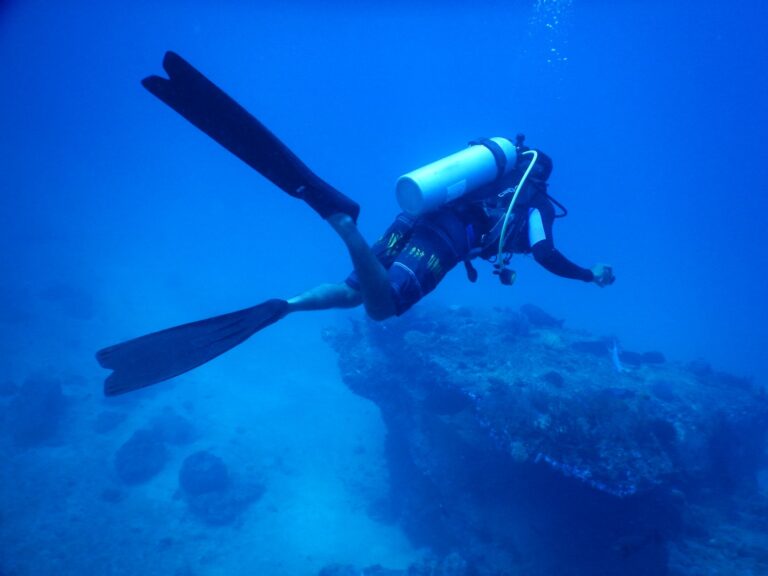
DAN is often called the gold standard for a reason. Their annual membership model includes dive accident coverage by default, and that coverage does not exclude solo diving. If you are a DAN member and you are diving aloneâwhether you are a divemaster, an instructor, or just a solo enthusiastâyou are covered. Their medical evacuation limit is among the highest in the industry, usually over $500,000 for recompression chamber evacuation. That matters when you are diving in places like the Maldives or Raja Ampat, where the nearest chamber might be hours away by boat or plane.
I remember a case from a few years back where a solo diver in Bonaire had a rapid ascent and ended up with a Type II DCS hit. The boat crew contacted DAN, and within two hours they had arranged a helicopter transfer to the chamber in Kralendijk. The diver needed multiple treatments over three days. DAN handled the evacuation and medical costs directly with the facility. The diver never saw a bill. That is the level of responsiveness you want when you are alone and in trouble.
For solo divers, the annual membership fee (usually $100â$300 depending on the level) is some of the best money you will spend. It covers you for unlimited dives in a year, including solo dives, and it includes equipment coverage up to $10,000 for loss or damage. If you dive more than a few times a year, the value is hard to beat. Get a quote from DAN and see what their solo diver coverage looks like for your specific diving profile.
DiveAssure: Flexible Plans for Frequent Solo Travelers
DiveAssure is a solid alternative, especially if you want a plan that blends dive-specific coverage with more traditional travel insurance elements. Their âDive & Travelâ plan includes a solo-diving rider if you choose the higher-tier option. One thing I like about DiveAssure is their annual multi-trip option. If you travel frequently, you can buy one policy that covers every trip for a year, including any solo dives you do during those trips.
The tradeoff is that DiveAssureâs medical evacuation limits are generally lower than DANâsâaround $250,000 for chamber evacuation. That is still very respectable, but if you regularly dive in extremely remote locations, you might want the higher limit DAN provides. On the plus side, DiveAssureâs equipment coverage is straightforward, usually up to $5,000 per item, and they cover loss, theft, and damage during transit.
I recommend DiveAssure for divers who do a mix of diving and non-diving travel. Their broader travel insurance componentsâlike trip cancellation, trip interruption, and baggage delayâare stronger than what DAN offers through its standard membership. If you want a policy that covers your camera gear and your non-diving day hikes, this is a good pick. Check DiveAssure plans and compare their solo rider options to see if they fit your needs.
World Nomads: For Budget-Conscious Solo Adventurers
World Nomads is popular among backpackers and budget travelers, and they do offer a dive add-on that covers diving up to 30 meters. For deeper diving, you need a rider that extends the depth limit. However, the key issue for solo divers is the âbuddy requirementâ clause in their standard policy wording. I have seen versions of their policy that state you must be diving with a buddy for coverage to apply. The fine print varies by country of issue and plan level.
If you are a newer solo diver who sticks to shallow, well-supervised sites, World Nomads can work. The cost is lowâoften under $100 for a two-week tripâand the purchase process is completely online. But the downsides are significant. Their equipment coverage is limited to $1,000 total, which will not replace a full set of gear. Their claims process is slower and often requires more paperwork than DAN or DiveAssure. For a solo diver, the lower medical evacuation limit ($150,000) is a concern if you travel to remote areas.
I would say World Nomads is best for the occasional solo diver who dives within their limits and on a tight budget. If you are doing multiple solo dives in a year or any technical or deep diving, skip World Nomads and go with a dedicated dive insurance provider. Explore World Nomads if you want a quick, cheap option for a single short trip, but read the fine print carefully.
Allianz Travel: A Comprehensive Travel Policy Option
Allianz Travel is a giant in the travel insurance space, but their dive-specific coverage is not their strong suit. Their standard policies often exclude diving as a âhazardous activityâ unless you buy a sports rider. Even with that rider, the limit for medical evacuation related to diving is typically lowerâaround $75,000. For a solo diver, that is not enough. A serious DCS event with chamber treatment and evacuation can easily exceed that number.
That said, Allianz is a solid choice if you are looking for a comprehensive travel policy that covers non-diving travel needsâlike trip cancellation, lost luggage, and medical expenses for non-diving injuries. If you are a solo diver who does a lot of non-diving activities and you want one policy to cover everything, you could pair an Allianz travel policy with a separate dive accident policy from DAN. That two-policy approach covers all your bases without forcing you to compromise on dive-specific coverage. I would not recommend Allianz as your primary dive insurance for solo divers, but it works as a backup for broader travel risks.
Common Mistakes Solo Divers Make When Buying Insurance
Over the years, I have seen the same mistakes made over and over. Some of them are expensive. Here are the most common ones to avoid:
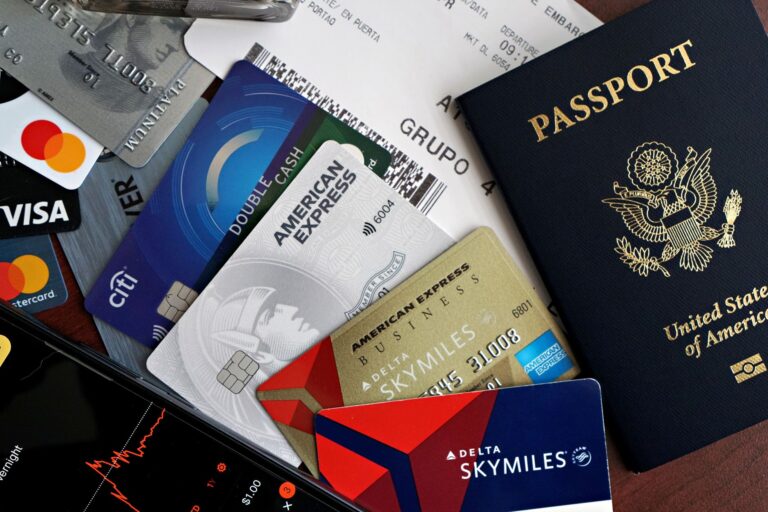
- Mistake 1: Assuming general travel insurance covers diving. Most standard travel insurance policies list diving as a âhazardous sportâ and either exclude it entirely or require a separate rider. Even if you buy a sports rider, check the depth limit and buddy requirement. I have seen policies that only cover diving up to 20 meters and require a dive master present. That does not work for a solo diver doing a boat dive to 25 meters with a local operator.
- Mistake 2: Not reading the solo diver exclusion clause. This is the big one. Some policies explicitly state that coverage only applies if you are diving with a buddy assigned by the dive operator. If you sign up as a solo diver and do a boat dive as a single, the policy may not pay out. The best dive insurance for solo divers either has no such clause or explicitly includes solo diving in the policy wording.
- Mistake 3: Ignoring equipment coverage limits. I have seen policies that cover dive gear up to $500 total. That is barely enough for a mask and fins. If you travel with a full set of gearâregulator, BCD, dive computer, wetsuit, and accessoriesâa $500 limit is insulting. Look for equipment coverage that matches the replacement value of your gear. Investing in a reliable dive computer can also be a smart move for solo divers who want to monitor their depth and time underwater more precisely.
- Mistake 4: Buying the cheapest policy without checking medical evacuation coverage. Cheap policies often have medical evacuation limits of $20,000â$50,000. That will not get you from a remote island to a chamber in a major city. For solo divers, medical evacuation is the most critical benefit. Do not skimp on it.
To avoid these mistakes, read the full policy wording before you buy. If you are unsure about a clause, contact the provider directly. Ask them specifically: âDoes this policy cover me if I am diving alone, without a buddy?â If they hesitate or give a vague answer, find another provider.
[IMAGE_3]
How to File a Claim as a Solo Diver
When something goes wrong on a solo dive trip, you will need to handle the claim process yourself. There is no dive leader or group coordinator to manage the paperwork. Here is a straightforward process to follow:
- Contact your insurance immediately. As soon as you realize you have a claimâwhether it is an injury, lost gear, or trip interruptionâcall their emergency hotline. Do not wait. They can guide you on next steps and pre-approve medical treatment if needed.
- Document everything thoroughly. Take photos of your injuries, the dive site, your equipment, and any damage. Keep copies of all receiptsâmedical bills, hotel receipts if you need extended stay, and dive operator invoices. Get written reports from the dive operator, the boat captain, and any medical personnel who treated you.
- Keep all medical records. If you had a DCS hit, the chamber facility will provide a treatment report. Get a copy. Also keep records of any follow-up care. Insurance companies will ask for these later.
- Understand the timeline and reimbursement process. Most dive insurance providers work on a reimbursement basis, meaning you pay upfront and get reimbursed later. Some have direct billing arrangements with certain facilities, but solo divers should be prepared to pay and then file a claim. Know the time limits for filing (usually 30â90 days) and submit your claim as soon as you return home.
Solo divers often have to be more proactive about claims because there is no group leader to follow up. Keep a dedicated folderâphysical or digitalâfor all claim-related documents. It makes the process much smoother.
Real Solo Diver Scenarios: Which Policy Wins?
Let me walk you through two realistic scenarios to show how different policies stack up in practice.
Scenario 1: The Cozumel Chamber Visit
You are a solo diver in Cozumel, doing a second dive of the day. You surface with a tingling in your left arm and mild joint pain. The dive operator suspects DCS and recommends immediate chamber treatment at the Hyperbaric Center in Cozumel. You go to the chamber and receive two treatments. The bill comes to $4,500. You also need to cancel the remaining two days of diving and your hotel stay.
How each policy covers it:
– DAN: Covers the full chamber treatment cost directly with the facility. No out-of-pocket. Also covers the trip interruption costs for the cancelled dives and hotel. Your medical evacuation limit is more than enough.
– DiveAssure: Also covers the chamber treatment, but you may need to pay upfront and submit for reimbursement. Trip interruption is covered under their travel plan. Works well if you have the annual multi-trip plan.
– World Nomads: Covers treatment up to $150,000, but the buddy requirement clause could be a problem if the dive operator says you were diving alone. Trip interruption may have a low limit ($500â$1,000).
– Allianz: Likely covers the treatment but only up to $75,000. If you have a longer course of treatment, you might hit that limit. Buddy clause may apply. Trip interruption coverage is better than World Nomads.
Scenario 2: Lost Gear at a Hostel
You stay at a budget hostel in a Southeast Asian dive town. Your gear bag is stolen from the common area while you are at dinner. Inside is your regulator set, BCD, dive computer, and wetsuitâtotal replacement value of $3,500.
How each policy covers it:
– DAN: Equipment coverage up to $10,000. You file a police report and submit receipts. DAN will typically reimburse within 4â6 weeks.
– DiveAssure: Up to $5,000 per item. You need to prove the loss with a police report and account for serial numbers. Good coverage but lower overall limit than DAN.
– World Nomads: Only $1,000 total for sports equipment. You will be severely under-insured for a $3,500 loss. Not a good option for gear-heavy travelers.
– Allianz: Up to $1,500 for sports equipment, but the sub-limit for âhazardous sports equipmentâ may be even lower. Check the policy wording.
Final Recommendation: The Best Dive Insurance for Solo Divers
After comparing policies and considering real-world scenarios, my top recommendation for most solo divers is DAN. Their coverage is the most comprehensive for solo diving, their medical evacuation limits are industry-leading, and their equipment protection is generous. If you dive regularly, the annual membership pays for itself in peace of mind alone.
That said, your personal situation matters. If you are a budget traveler who only dives occasionally on short trips, World Nomads can work, but be aware of the buddy clause and low equipment limits. If you travel frequently and want a combined dive and travel policy, DiveAssure is a strong alternative. For those who want a comprehensive travel policy alongside dive-specific coverage, consider pairing Allianz with a DAN annual membership.
Ultimately, the best dive insurance for solo divers is the one that covers your specific risks without hidden exclusions. Read the fine print, ask the right questions, and choose based on your diving profile. Protect your next solo dive tripâget a quote from DAN and make sure you are covered.