The Best Dive Computer Wrist Mount for Safer, Easier Tracking
Why a Good Wrist Mount Matters for Dive Safety
Every dive computer is only as reliable as the mount that keeps it in place. Over the years, I have seen divers lose computers over the side of a boat because a worn-out strap gave way. I have also watched someone miss their safety stop because their wrist mount rotated, making the screen unreadable. These are not just gear failuresâthey are safety failures. A solid wrist mount secures your computer so you can read depth, time, and no-deco limits at a glance. You do not want to be fumbling to reposition it while managing buoyancy or watching your air. That split-second distraction can throw off your focus or cause you to miss a critical reading. Whether you choose a strap, bungee, or retainer, the mount must stay put from the moment you giant-stride until you climb back onto the deck. A poor mount, one that slips or shifts, reduces your tracking accuracy and can lead to missed decompression stops or unsafe ascents. I consider a reliable wrist mount a piece of dive safety gear, not a convenience item. The best dive computer wrist mount is the one that disappears from your awareness and simply holds your computer where you need itâno fuss, no worry, no second guessing.
[IMAGE_1]
What to Look for in a Dive Computer Wrist Mount
Not all mounts are created equal. The material matters far more than the color or brand logo. Silicone straps feel soft and grip well against skin, but they also attract lint and can degrade in direct sunlight if you leave your gear on a boat deck. Nylon webbing straps are tougher and hold up better to saltwater, but they can chafe against bare wrists if worn too tight. Rubber hybrid straps often strike a good balance between flexibility and durability, but they may not breathe well in warm conditions. Fit adjustability is another make-or-break detail. A mount that only fits a narrow wrist range will either be too loose for small wrists or too tight over a drysuit seal. Look for mounts that offer multiple adjustment points or come in several lengths. One-handed operation matters more than you thinkâyou need to tighten or loosen the mount while holding a camera, a reel, or a buddy’s hand. Avoid mounts that require both hands or tools to adjust. Compatibility with your computer model is obvious but often overlooked. A mount that blocks the screen, covers the buttons, or sits at an awkward angle defeats its purpose entirely. Divers who need a simple solution for warm-water conditions might find a silicone strap comfortable and easy to handle. Also, avoid mounts that slip on wet skin or cause pressure points under a drysuit seal. I have seen divers buy the cheapest mount and then complain about chafing or screen read errors. Know what you are trying to solve: are you diving tropical warm water, cold-water tech dives, or just logging easy reef dives? That answer drives the choice far more than any spec sheet.
The Best Dive Computer Wrist Mounts at a Glance
Here is a quick overview of the top mounts I have used and tested across different conditions. Each entry has a specific strength, so use this as your starting point for further reading.
- Shearwater Quick Release Strap â Best overall for security and comfort on tech dives.
- Suunto Silicone Strap â Best budget option for travel divers who want a no-hassle strap.
- Zeagle Bungee Mount â Best for drysuit diving or thick gloves, offers easy one-hand adjustment.
- Aqualung Strap Set â A solid mid-range pick for recreational divers who want a strap that lasts.
Each of these has been tested in real conditions, not just on a desk. The next sections break down what makes each one workâand where they fall short.
1. Shearwater Quick Release Strap â Best Overall for Security and Comfort
The Shearwater Quick Release Strap is a favorite among technical and recreational divers alike. It uses a combination of robust nylon webbing and a secure buckle that feels positive even with thick gloves. The strap adjusts in small increments, so you can fine-tune the fit over a bare wrist or a drysuit seal without having to guess. I have used this mount on dives down to 40 meters in strong currents, and the computer never moved. The quick-release mechanism is simple and tactileâyou can open it with one hand, which matters when you need to take off your gear at the surface after a long dive. The downsides are few: the nylon webbing can be a little stiff when new, but it breaks in after a few dives. Also, the strap is not the lightest option if you are packing for a liveaboard trip. However, the security and comfort make up for the slight weight. This is the mount I recommend to any diver who prioritizes reliability over grams. It pairs well with most Perdix and Teric models, but also works with other computers that accept a standard strap width. If you need one mount that handles everything from warm-water reef dives to cold-water technical dives, this is it.
Check the latest price on Amazon: Shearwater Quick Release Strap.
2. Suunto Silicone Strap â Best Budget Option for Travel Divers
If you are looking for a lightweight, packable mount that won’t break the bank, the Suunto Silicone Strap is a solid choice. This strap is made from soft silicone that feels comfortable against the skin even on long dive days. It does not hold water the way nylon does, so it dries quickly and does not add weight to your travel bag. The buckle is simple but functionalâit clicks into place and stays there. I have used this strap on multiple dive trips to tropical locations, and it has held up well. The main tradeoff is durability. Silicone degrades over time, especially if you leave it in direct sunlight or store it while wet. I replace mine every season as a precaution. Also, the strap is not ideal for cold-water diving because it can slip under a drysuit seal if not cinched tight enough. That said, for a recreational diver doing mostly warm-water trips, this mount offers great value. It is easy to clean, lightweight, and gets the job done without fuss. If you dive infrequently or travel light, this is the pick.
Check the latest price on Amazon: Suunto Silicone Strap.
3. Zeagle Bungee Mount â Best for Dry Suit Diving or Thick Gloves
The Zeagle Bungee Mount is designed for divers who need to access their computer while wearing thick neoprene gloves or working with a drysuit seal. Instead of a traditional strap, this mount uses a bungee cord system that you can slide over your wrist. The bungee holds the computer securely in place, but it also gives you a little flex to adjust its position. This is a huge advantage when your hands are cold and your fine motor skills are compromised. I have used this mount in water temperatures below 10°C, and it performed better than any strap I have tried. The main drawback is that bungee mounts can cause chafing on the inside of the wrist if not positioned correctly. You need to make sure the cord is not pressing directly on a pressure point. Also, the bungee can loosen over time, so check the tension before each dive. This mount is best for technical divers, cold-water divers, or anyone who dives with thick gloves. It is not the best choice for a bare wrist in warm water because it can feel a little bulky.
Check the latest price on Amazon: Zeagle Bungee Mount.
[IMAGE_2]
Bungee vs. Strap vs. Retainer Mounts: Which Is Right for You?
Understanding the tradeoffs between mount types will save you money and frustration. Here is a tactical breakdown based on dive style and environment.
Bungee mounts are lightweight and flexible. They allow you to slide your computer on and off quickly, and they work well over thick gloves or drysuit seals. The downside is that bungee can chafe against bare skin, and the tension changes over time. They are best for cold-water or technical divers. Do not buy bungee mounts if you dive mostly in warm water with bare armsâthe chafing will annoy you.
Strap mounts are the most common. They come in silicone, nylon, and rubber. Silicone straps are soft and comfortable but degrade faster. Nylon straps are durable but can be stiff. Straps are best for recreational divers who want a secure fit without fuss. The main mistake divers make is buying a strap that is too short for a drysuit seal or too long for a bare wrist. Measure your wrist circumference before ordering.
Retainer mounts are essentially a plastic or metal enclosure that holds the computer in place. They are usually paired with a standard strap. Retainers add bulk but prevent the computer from sliding off even if the strap breaks. They are popular for tech diving where a lost computer could mean losing decompression data. The tradeoff is that retainers can make it harder to operate buttons and they add weight. I only recommend retainers for divers who are doing deep decompression dives or who have had a strap failure in the past.
Your choice should be driven by your dive style, not by what looks cool. If you dive mostly in warm water with bare arms, a simple dive computer strap is fine. If you dive cold water with gloves, a bungee mount is better. If you want maximum security for tech dives, go with a retainer.
Common Mistakes When Choosing a Wrist Mount
I have seen divers make the same errors over and over. Here are four mistakes to avoid.
Mistake 1: Buying a mount incompatible with your computer. Check the strap width and attachment points. Some computers have proprietary mounts that only accept straps from the same brand. Using a universal strap may not fit or could block the screen.
Mistake 2: Ignoring strap length for dry suits. A strap that fits perfectly over a bare wrist will be too short over a drysuit seal and neoprene glove. Always measure your wrist circumference with the exposure suit you plan to wear and add a few centimeters for the seal.
Mistake 3: Sacrificing security for style. Fashionable mounts with tiny buckles or thin material look good in photos but often fail during a dive. Stick with mounts that have proven durability over looks.
Mistake 4: Skipping adjustable models for a one-size-fits-all approach. One-size mounts rarely fit everyone well. If you are between sizes, the mount will either be too loose (risk of loss) or too tight (discomfort). Look for mounts with multiple adjustment points.
How to Properly Fit and Maintain Your Wrist Mount
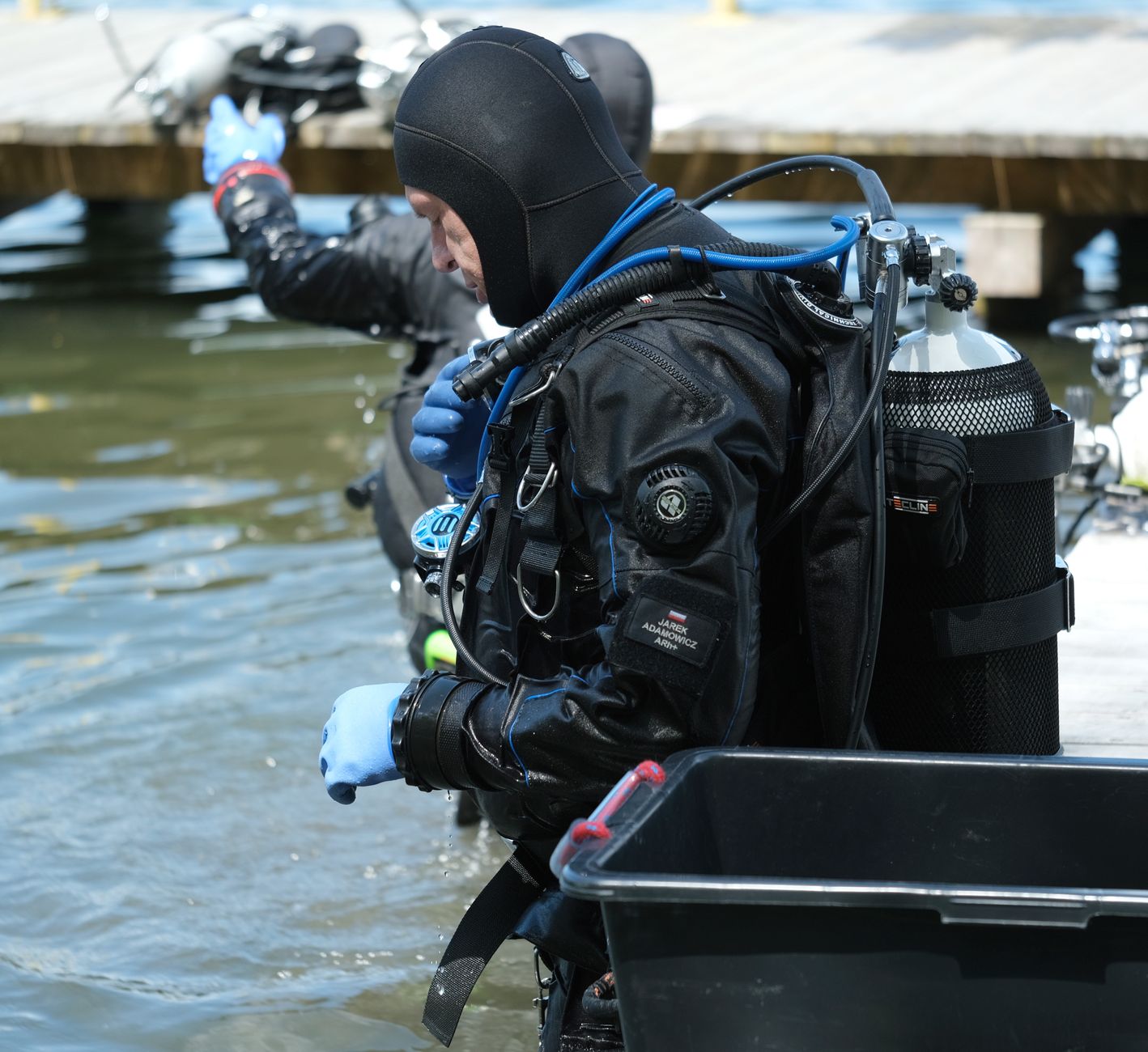
Even the best mount will fail if not fitted and cared for properly. Here is what I do with my own gear. First, fit the mount snug but not restrictive. You should be able to slide a finger between the mount and your wrist. If it leaves marks after five minutes, it is too tight. If it rotates easily, it is too loose. Check the fit while wearing your exposure suit because thickness changes everything. Second, inspect the mount after every dive trip. Look for frayed edges, cracking silicone, or rust on metal buckles. If you see any of these, replace the mount before your next dive. Saltwater is harsh on materials, so rinse your mount with fresh water after every dive day and let it air dry away from direct sun. I replace my straps every season as a rule, even if they look fine. A strap that snaps at depth is not something you want to gamble on. Lastly, test the mount at the surface before a trip. Do not wait until you are on the boat to discover the buckle is stiff or the bungee is too loose.
[IMAGE_3]
Our Verdict: Which Dive Computer Wrist Mount Should You Buy?
There is no single mount that works for every diver. For the typical recreational diver doing warm-water reef dives, the Suunto Silicone Strap offers the best balance of cost and comfort. If you travel frequently and want something lightweight, it is a good pick. For technical divers or anyone diving cold water, the Shearwater Quick Release Strap provides unmatched security and adjustability. It is worth the extra money because it lasts longer and feels more reliable on deep dives. For drysuit divers or anyone who wears thick gloves, the Zeagle Bungee Mount is the best choice for ease of use and accessibility. No matter which mount you choose, prioritize fit and durability over price. A mount that fails costs you more than the price of a replacementâit costs you peace of mind underwater. For most divers, I recommend starting with the Shearwater Quick Release Strap because it covers the widest range of conditions and gives you the most reliable tracking.
Check the latest price on Amazon: Shearwater Quick Release Strap.