Diving After Gallbladder Surgery: Recovery and Clearance Guide
Introduction
Returning to scuba diving after gallbladder surgery is something dive doctors get asked about often. Recovery tends to be straightforward, but diving puts different stresses on the body than everyday activities. This guide covers the recovery timeline, what medical clearance looks like, and the practical steps for getting back in the water after gallbladder surgery. Whether you had laparoscopic or open surgery, the main things to consider are the same: complete healing, proper clearance, and taking it easy on your first dives back.
[IMAGE_1]
Understanding Gallbladder Surgery and Recovery Basics
Gallbladder removal, also called cholecystectomy, is done one of two ways. Laparoscopic surgery uses several small incisions and a camera. Recovery is faster, with most people back to light activity within a week or two. Open surgery means a larger incision and longer recoveryâusually four to six weeks before getting back to normal activities.
Here’s what matters for diving: internal healing takes longer than the outside healing. The small incisions from laparoscopic surgery close up quickly on the surface, but the deeper layersâmuscle, fascia, connective tissueâneed more time to regain strength. Open surgery cuts through abdominal muscle, which needs months of careful healing. Your surgeon will clear you for daily stuff before your body is actually ready for the physical demands of diving: lifting tanks, climbing ladders, managing buoyancy under pressure.
Typical milestones are discharge from hospital within 24 hours for laparoscopic cases, return to desk work within one to two weeks, and full unrestricted activity after six to eight weeks. Those are general guidelines, not dive-specific timelines.
Why Diving Requires Extra Caution After Gallbladder Surgery
Diving after abdominal surgery comes with specific risks that aren’t obvious at first. The most immediate concern is gas trapping. During laparoscopic surgery, carbon dioxide is used to inflate the abdominal cavity. Most of this gas gets removed before they close you up, but small pockets can stay behind. These can expand during ascent and cause significant pain that can mimic decompression sickness.
Incisional hernia is a real possibility. The sudden strain of lifting a tank, climbing a ladder, or even adjusting your trim underwater puts pressure on healing abdominal tissues. If the muscle layers haven’t fully knit together, a hernia can develop at the incision site. This is more common with open surgery but can happen with laparoscopic incisions too.
Infection is another thing to watch for. Wounds that aren’t fully sealed can pick up seawater, bacteria from rental gear, or dirt from equipment. Even minor infections can slow healing or, in worse cases, become systemic. Pressure changes also affect healing tissues. Blood flow to healing wounds is important, and the pressure variations during diving can disrupt this, especially on deeper or repeated dives.
These aren’t meant to scare youâthey’re genuine things to consider. Understanding them helps you make informed decisions about timing and preparation. Divers who want to plan ahead may find it useful to review scuba diving medical references and planning tools to stay informed.
Recovery Timeline: When Can You Dive?
The timeline depends a lot on the surgical approach and how you personally heal. Here are the minimum recommendations based on what dive medicine specialists generally agree on:
- Laparoscopic surgery: Minimum of 4 weeks before returning to diving, provided you have no pain, full wound closure, normal bowel function, and clearance from your physician. Many divers benefit from waiting 6â8 weeks to make sure internal healing is adequate.
- Open surgery: Minimum of 8â12 weeks. The larger incision and muscle involvement need more time for tissue strength to return. Rushing this really increases hernia risk.
- Any complications: If you had infection, bleeding, or bowel injury during surgery, add another 4â6 weeks minimum to the timeline.
These timelines assume normal healing. You shouldn’t dive until you can do all normal activities without pain, your wounds are fully healed and closed, and you’ve been cleared by both your general physician and a dive medical examiner. Pain, fatigue, or any limitation during daily activity means you’re not ready.
Medical Clearance: What You Need from Your Doctor
Medical clearance for diving after gallbladder surgery isn’t just a formality. You need a letter from your surgeon or general practitioner stating:
- No restrictions on physical activity
- Complete wound healing confirmed by examination
- No ongoing complications such as infection, bile leak, or bowel issues
- Clearance to return to diving specifically
Take this letter to a dive medical examiner, who will assess your fitness for diving considering the surgery. The examiner needs to know the date of surgery, approach used, any complications, and your current medications.
Before your appointment, ask your doctor these questions:
- Are my internal tissues fully healed?
- Is there any residual gas in my abdomen?
- Am I at increased risk for hernia or other complications?
- Should I avoid heavy lifting or straining for a specific period?
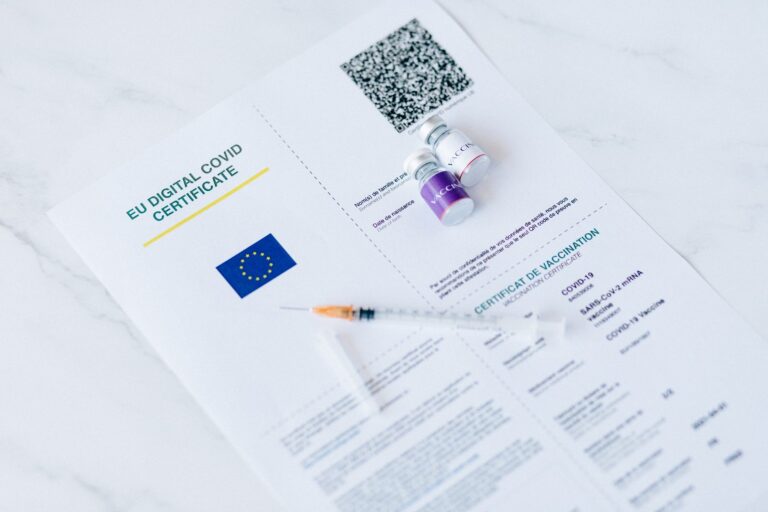
Don’t rely on a simple verbal clearance. A written letter is essential, especially if you’re diving abroad where operators may ask to see it. Many dive operators and liveaboard boats require a dive medical certificate, and having clear documentation avoids delays or cancellations. For those preparing for clearance appointments abroad, an organized dive travel wallet can help keep paperwork accessible.
Common Mistakes Divers Make After Gallbladder Surgery
After seeing dozens of divers in my clinic, some patterns keep coming up:
Returning too soon. This is the most common one. You feel fine on land, so you assume diving is safe. Internal tissues don’t feel pain the same way external wounds do. By the time you feel pain underwater, you’ve already put stress on healing structures. The result can be delayed healing, hernia, or more serious complications.
Not disclosing surgery on the medical form. Some divers think gallbladder removal is too minor to mention. It’s not. Any abdominal surgery within the last six months requires clearance. Leaving it off invalidates your medical questionnaire and puts you at risk if something goes wrong.
Ignoring abdominal discomfort during or after a dive. Residual gas pockets can cause pain that mimics other conditions. Some divers push through hoping it will pass. If you feel abdominal pain while diving, stop and assess. It could be harmless, or it could be a sign of something more serious.
Using heavy weights too early. Carrying heavy weight belts or integrated weights strains the abdominal wall. Reduce your weight by two to four kilograms initially to minimize loading. You can adjust after the first few dives.
Failing to allow for residual gas. Even small pockets of retained CO2 can expand during ascent. The pain can be significant and mimic decompression sickness. If you feel bloating or gas pain after diving, don’t ignore it. Report any symptoms to your dive medical examiner.
[IMAGE_2]
Laparoscopic vs. Open Surgery: Does It Change the Dive Plan?
Yes, the surgical approach affects your return to diving. Laparoscopic surgery uses smaller incisions, typically three to four, each about one centimeter long. Recovery is faster, and the risk of hernia is lower. Most divers can return within four to eight weeks after laparoscopic surgery, assuming normal healing.
Open surgery requires a five- to seven-inch incision in the upper right abdomen. This cuts through muscle and fascia, which need much longer to heal. Returning within eight weeks is risky. Most dive medical specialists recommend waiting at least twelve weeks, and many divers benefit from waiting four to six months to restore full abdominal core strength.
The scar itself can also affect your dive plan. An open surgery scar may be tender for months and can rub against wetsuit material. Consider a soft front-zip wetsuit for scuba to minimize irritation. Laparoscopic scars are smaller but still need protection. Avoid tight-fitting gear over the incision sites, and wash the area thoroughly after diving to prevent infection.
Both approaches require the same mindset: patience over eagerness. The laparoscopic advantage is recovery time, not immunity to complications. Open recovery is slower but equally safe when handled correctly.
Returning to the Water: First Dives After Recovery
Your first dives back should be carefully planned:
Choose calm conditions. Pick a shallow reef or sheltered bay with minimal current. The goal is to control your entry and exit, not to fight conditions. Avoid strong currents, surge, or boat entries where you have to climb a ladder immediately after diving.
Reduce your weight. You don’t need a full weight belt for your first dives back. Drop two to four kilograms from your normal load. This reduces strain on your abdominal wall during entry, descent, and ascent. You can add weight back on subsequent dives as you feel comfortable.
Monitor for pain. Any abdominal pain during the dive is a reason to abort. Not discomfort from the equipment, but actual pain. If you feel a pulling sensation or sharp pain, ascend slowly and end the dive.
Keep dives shallow. Stay above 15 meters for your first few dives. This minimizes pressure changes on your healing tissues. You can move to deeper profiles once you’ve completed several uneventful dives.
Take breaks between dives. Give your body time to recover. Two dives a day is plenty. Three dives is pushing it. Listen to how you feel, not to what the dive schedule says.
A lightweight travel BCD with integrated weight pockets can make entries and exits easier. A comfortable wetsuit that doesn’t restrict your abdomen is also helpful. Consider renting gear for the first few dives to avoid the expense of purchasing equipment you might not need long-term.
Recommended Gear for Post-Surgery Diving Comfort
Comfort matters when you’re returning to diving after abdominal surgery:
Adjustable weight system. A traditional weight belt puts all the weight directly over your abdomen. Integrated weight systems on a BCD spread the load more evenly. Look for a BCD with removable weight pockets that allow fine adjustment. This lets you start light and add weight gradually.
Soft wetsuit with front zipper. Standard back-zip wetsuits require twisting and pulling to put on and take off, which can strain healing incisions. Front-zip suits are easier to get in and out of and put less pressure on the abdominal area. Look for a suit made from softer neoprene, like Yamamoto, which is more flexible and forgiving.
Low-cut booties. Putting on high-cut booties requires bending and pulling. Low-cut booties with wide openings are easier. This seems minor, but when you’re recovering from surgery, every little bit helps.
Comfortable surface support. A dive platform, boat, or shore with easy entry and exit. If you’re buying gear, a lightweight aluminum tank (80 cubic feet) is easier to carry than a steel tank. A rolling scuba gear bag saves your back and abdomen from heavy lifting.
These aren’t must-have items, but they make the transition smoother. If you’re renting, ask for similar features from your dive operator.
Travel Considerations for Your First Dive Trip After Surgery
Planning your first dive trip after recovery takes some extra thought:
Choose a location with easy access. Soft sand beaches, calm water entries, and dive operators that use small boats with low step-overs are ideal. Avoid places known for strong currents, deep walls, or challenging entries. The Maldives and the Red Sea are popular for their calm conditions and easy boat entries. The Caribbean, particularly the Cayman Islands or Bonaire, also offers gentle environments.
Check medical facilities nearby. Make sure your destination has access to appropriate medical care if something goes wrong. This isn’t about being paranoidâit’s about being prepared. Local clinics should be able to handle routine post-operative issues. For more serious complications, know the nearest hospital with surgical capabilities.
Book travel insurance covering pre-existing conditions. Gallbladder surgery counts as a pre-existing condition. Make sure your policy covers it. Some policies exclude coverage for complications from recent surgery. Read the terms carefully. Diving-specific insurance from providers like Divers Alert Network (DAN) often covers this, but verify in advance.
Allow flexibility. Book a trip that lets you change plans without penalty. If you’re not feeling ready, you want the option to postpone or cancel. Liveaboards are harder to adjust, so start with a day-boat operation or a resort with on-site diving.
Travel insurance and medical clearance documentation are non-negotiable. Keep copies of both with you.
[IMAGE_3]
When to Postpone Your Dive: Red Flags to Watch For
No matter how much you’ve planned, sometimes the right decision is to stay out of the water. Postpone your dive if you experience any of the following:
- Persistent pain at the incision site or in the abdomen, especially during movement or straining
- Fever or chills, which can indicate infection
- Wound discharge or redness that worsens or doesn’t improve
- Nausea or vomiting after eating, which can indicate bile irritation or other post-surgical issues
- Abdominal bloating or distension, which can signal retained gas or bowel dysfunction
These symptoms are your body telling you something is wrong. Don’t ignore them. Even if they seem mild, if any of these are present, the dive isn’t worth the risk. Always err on the side of cautionâyou can reschedule a dive, but you can’t reverse a complication.
Final Steps Before Diving After Gallbladder Surgery
Getting back in the water after gallbladder surgery is achievable, but it takes patience and planning. To sum it up: confirm complete healing with your surgeon, get written clearance, visit a dive medical examiner, then plan a conservative first dive. Listen to your body throughoutânot just the first dive, but for several weeks afterward. If you follow these steps, your return to diving should be safe, comfortable, and rewarding. If you’re ready to start the clearance process, book a dive medical appointment with 1st Contact Travel Clinic to make sure you’re fully prepared.