The Dive Boat Safety Checklist for Safer Trips
Introduction
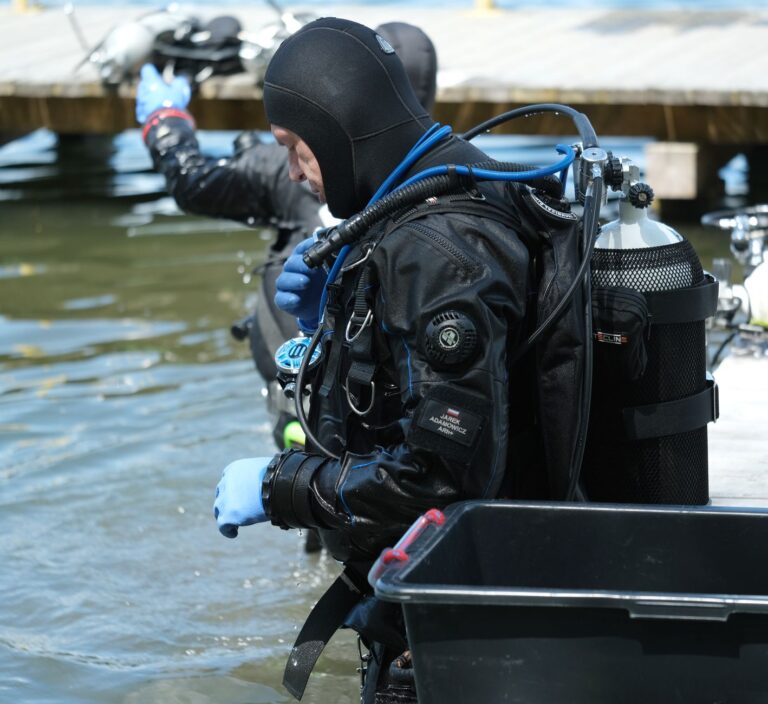
A dive boat safety checklist is more than just a formality. It’s a way to cut down on the variables that can turn a good dive day into a bad one. When you’re getting ready for a boat dive, the checklist acts like a pre-flight routineâa methodical review of your gear, your planning, and your headspace before the boat leaves the dock.
This article gives you a practical, dive-ready checklist covering pre-trip planning, gear setup, boarding procedures, weather checks, and emergency protocols. Whether you’re new to diving or have hundreds of dives under your belt, a reliable list helps catch the small things before they become real issues. The point is simple: show up prepared, dive safe, and actually enjoy the trip.
[IMAGE_1]
Why You Need a Dive Boat Checklist
Every diver has a story. Maybe it’s showing up without a mask. Maybe you forgot to turn on your dive computer. Or you realize halfway to the site that the tank feels light because you skipped the pre-dive air check. These are common, avoidable mistakes. A checklist helps prevent them.
The real advantage of a checklist goes beyond memory. It cuts down on cognitive load. When you’re on a rocking boat, talking to your buddy, listening to a briefing, and dealing with the excitement of a new site, your brain has a lot to handle. A checklist automates the repetitive safety steps so you can focus on the dive itself.
I’ve seen divers forget to close their BCD inflator, leave their SMB in the bag, or step off the boat with a computer still showing yesterday’s dive. None of these are life-threatening on their own, but they add up. A checklist creates a pattern of reliability. It builds confidence because you know you’ve already covered the basics.
Before You Book: Selecting a Safe Operator
Not all dive boats are run the same way. Choosing the right operator is the first step in your safety checklist, and it starts before you book. Look for a dive center with a solid reputation. Read recent reviews, but pay attention to what they actually say. Look for comments about crew professionalism, equipment condition, and whether safety briefings were thorough.
A good operator will have clear policies. They will check certifications before letting anyone on the boat. They will maintain their compressors and tanks. The crew-to-diver ratio matters too. On a full boat with a single divemaster, your safety margins shrink. A responsible operator will not overcrowd the boat or rush through safety briefings.
Before you book, ask about their emergency response plan. Do they carry oxygen? Do they have a first aid kit? Is there a diver recall procedure? If the operator hesitates on these questions, that’s a red flag. A different boat is worth the extra search. For divers who want to be better prepared, an emergency first aid kit designed for diving is a practical item to bring along.
In contrast, a problematic operator might skip the safety briefing, let divers jump in without checking gear, or downsize the crew to save money. If you see signs of disorganization or complacency, move on.
Pre-Trip Gear Preparation
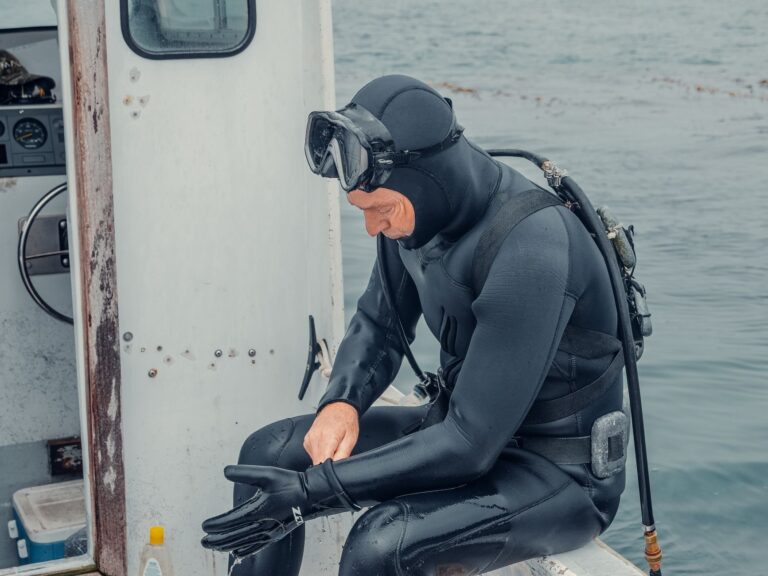
Your gear list starts at home, not at the dock. Pack systematically. Use a large mesh bag for gear that needs rinsing after the trip and a smaller dry bag for items like your mask, computer, and sunscreen. This separation makes packing and unpacking a lot easier.
Essential dive gear checklist:
- Regulator with octopus and pressure gauge
- BCD with inflator and dump valves checked
- Dive computer with fresh battery
- Mask, fins, and snorkel
- Wetsuit (appropriate thickness for water temperature)
- Weight system (belt or integrated)
- Dive knife or line cutter
- Surface marker buoy (SMB) and reel
- Whistle or signaling device
Before packing, check your O-rings on the regulator and tank valve. A worn O-ring can cause a free-flow or leak. Check your cylinder valve for debris or damage. Make sure your tank has been filled within the last 24 hours and that the fill matches your planned depth profile.
If you use a dive computer, put it in your carry-on or a small bag where it won’t get crushed. Pack your mask in a hard case if you have one. A cracked lens or a lost O-ring on a remote boat can end a trip.
Consider carrying a spare mask and a small repair kit (extra O-rings, fin strap, mouthpiece). These weigh almost nothing and can save a dive day. Travelers who need to streamline their carry-on may find a dedicated dive travel bag helpful for keeping everything organized.
Essential Documents and Medical Readiness
Paperwork matters. Before you book, check that your certification card (C-card) is current. Many operators require a physical card or a digital copy. Have your dive insurance information ready, too. DAN membership is the standard for a reasonâit covers evacuation and chamber costs if things go wrong.
Medical clearance is another often-overlooked step. If you’ve developed a new condition since your last diveâasthma, heart issues, ear infections, or chronic sinus problemsâyou need medical clearance from a dive physician before getting on the boat. Don’t assume your old clearance still applies. The boat crew cannot make that call for you.
Fill out the boat’s medical and emergency contact forms honestly and completely. If you have a condition that requires medication (like an inhaler), keep it in a dry bag and let the crew know where it is. A simple conversation with the divemaster can prevent a lot of confusion.
Weather and Sea Conditions: What to Check
Marine forecasts aren’t optional. Check the forecast at least 12 to 24 hours before your trip. Look at wind speed, wave height, and swell direction. A forecast of 15â20 knot winds with 3â4 foot seas is comfortable for some boats but uncomfortable for others. The boat’s size and hull design matter.
Beyond comfort, rough conditions affect safety. Strong winds make it harder for the captain to hold position over a reef or wreck. Bigger waves increase the risk of falling on the deck during entry or exit. Currents can pick up unexpectedly if a storm system moves through.
Use reliable marine weather apps or websites. Many are free and give specific offshore forecasts. Some also show wave period, which tells you how closely spaced the waves are. Short-period, steep waves make for a rough ride and poor surface conditions.
If the forecast looks borderline, talk to the dive operator. They might have local knowledge about sheltered sites or better times of day. But trust your judgment. If the conditions look unsafe, reschedule. No dive is worth the risk of a rough sea entry in questionable weather.
[IMAGE_2]
Boarding and Boat Safety Briefing
Show up early. That simple act gives you time to secure gear, find a seat, and settle in before the briefing starts. Stow your gear securely. Heavy tanks should be in tank racks or tied down. Mesh bags go in dry storage or under seats. Loose items on a moving boat are a tripping hazard.
If the deck is wet and the boat is rocking, wear a life jacket until you’re seated. Many boats require this for the first few minutes offshore. Listen carefully during the safety briefing. The crew will cover:
- Location of emergency exits (if it’s a cabin boat)
- Location of oxygen and first aid kit
- Emergency radio channel and crew roles
- Boat entry and exit procedures
- Buddy system and recall signal
Divers often zone out during briefings. Don’t. If the briefing is unclear, ask questions. If you’re the one diving with an unfamiliar buddy, clarify the dive plan before you gear up. A good briefing covers diver limits, expected conditions, and emergency procedures.
Your Personal On-Boat Gear Checklist
Once onboard, some items need to be accessible immediately, not buried in your bag. Keep these in a small mesh bag or clip them to your BCD:
- Mask defog: a few drops before each dive makes a big difference
- Spare mask: if your primary mask gets knocked off or fogs up, a backup is invaluable
- Whistle or signaling device: to get the crew’s attention if you surface far from the boat
- Cutting tool: a line cutter or dive knife for entanglement situations
- Dive computer: wear it or keep it in a dry case until ready
- Surface marker buoy and reel: deploy at safety stop or if drifting
Each item serves a purpose. A line cutter might never be used, but if you get tangled in fishing line or netting, it’s the only way out. An SMB signals the boat of your location, especially in current or low visibility.
Don’t forget sunscreen (reef-safe, applied at least 15 minutes before entering water) and a hat for the surface interval. Staying comfortable on the surface helps your body recover between dives.
The Dive Flow: Entry, Descent, and Buddy Checks
With your gear on and your buddy confirmed, run through a pre-dive safety check. This is the moment to verify everything before you leave the boat. Common checkpoints include:
- Tank valve open (check by looking at your pressure gauge)
- BCD inflator functional (test a quick burst)
- Weight system secure (no loose buckles)
- Computer turned on and set to the correct depth profile
- Octopus accessible and not tangled
Enter the water calmly. A giant stride entry is standard on many boats, but make sure your mask is on and your regulator is in your mouth. Hold your BCD inflation button as you land to stay buoyant on the surface. Use the tag line or anchor line to descend if current is present, or if you need a reference point.
Common mistake: rushing the entry because you’re excited. This is when people forget to close their BCD exhaust valve or leave their computer on the boat. Take the extra ten seconds to check. It never hurts to wait for the crew’s signal.
Descend with your buddy. Use a descent line for reference if the bottom is deep or current is present. Do a bubble check once you’re on the bottom: confirm air supply, depth, and time on both computers. Then enjoy the dive.
Post-Dive Considerations: Surface Interval and Debrief
Back on the boat, your checklist continues. Rehydrate first. Drink water or an electrolyte drinkâavoid caffeine and alcohol for a few hours. Change into dry clothes if you’re cold. Coldness can increase the risk of decompression sickness by reducing blood flow to tissues.
Monitor yourself and your buddy for signs of DCS: joint pain, rash, fatigue, dizziness, or numbness. If anything seems off, tell the crew immediately. They can administer emergency oxygen if needed. Don’t ignore mild symptomsâthey can escalate. For divers who want to keep basic monitoring supplies handy, a dive safety monitoring kit can support post-dive checks.
Record your dive data. Most dive computers log the information automatically, but writing down max depth, bottom time, and tank pressure helps with future planning. Some divers use a dive log app or a simple notebook.
Rinse your gear after the trip if you can. Saltwater damage is cumulative. Rinsing your regulator, BCD, and wetsuit extends their life and reliability. Do this before packing everything away.
[IMAGE_3]
Common Dive Boat Safety Mistakes and How to Avoid Them
Here are three real-world mistakes I see regularly, along with the simple fix.
1. Not listening to the safety briefing.
Divers assume they know the boat’s layout and procedures. Then they can’t find the oxygen kit when someone surfaces with DCS symptoms. Fix: pay attention from the first word. Ask questions if something is unclear.
2. Overweighing.
Adding too much weight to compensate for a thick wetsuit or unfamiliar gear seems safe. In reality, it makes you work harder to maintain buoyancy, increases air consumption, and can cause uncontrolled descents. Fix: do a buoyancy check at the surface. Add or remove weight in small increments.
3. Ignoring weather changes.
The forecast looked fine when you booked, but by the second dive the wind has picked up and the sea is confused. Many divers push through because they want to get their money’s worth. Fix: have a pre-agreed limit with your buddy and crew. If conditions degrade beyond that limit, sit out the dive. No dive is worth the risk.
Run through your checklist before every dive day. It only takes two minutes and catches nearly all of these mistakes.
Final Pre-Trip Checklist (Summary List)
Print this list or save it on your phone. Check each item before you head to the boat.
- Certification card and dive insurance (digital or physical)
- Medical clearance if applicable
- Gear packed and functional (regulator, BCD, computer, mask, fins, wetsuit, weights)
- Pre-dive air fill check (full tank, correct gas mixture)
- Marine weather forecast confirmed
- On-boat gear bag with defog, spare mask, whistle, cutting tool, SMB
- Pre-dive buddy check (valve, inflator, computer, weight, octopus)
- Post-dive rehydration and symptom monitoring
- Gear rinse and inspection after the trip
Plan Your Dive, Dive Your Plan
A dive boat safety checklist is just part of a good diving routine. It’s not about being paranoid; it’s about being reliable. When you consistently check your gear, your medical readiness, the weather, and your pre-dive sequence, you free up mental space to enjoy the dive. That’s the real payoff.
Save this list for your next trip. Share it with your dive buddies. If you want to go deeper into dive travel health or gear maintenance, there’s plenty more to cover. For now, just follow the list and dive safely.