DAN Dive Insurance vs. DiveAssure: Which Is Better for Divers
Why Divers Need Specialized Insurance (Not Just General Travel Insurance)
Standard travel insurance rarely covers scuba diving. Most policies outright exclude dive-related incidents, especially decompression illness (DCI) and medical evacuation. If you get diagnosed with DCI on a small Pacific island, you have a real problem without proper coverage. A single hyperbaric chamber treatment can run several thousand dollars, and evacuation to a recompression facility often adds tens of thousands more. Specialized dive insurance from DAN and DiveAssure fills this gap. These policies cover hyperbaric treatment, evacuation from dive sites, and sometimes trip interruption for canceled dives. Without it, a treatable injury becomes a financial mess. This is not a luxuryâit is basic safety for anyone getting in the water with scuba gear.
[IMAGE_1]
DAN Dive Insurance: Coverage Overview and Key Strengths
DAN Dive Insurance centers on medical and evacuation coverage. Their core offering is the annual membershipâDAN World and DAN Explorer plans. DAN World covers unlimited recreational diving to 130 feet (40 meters) and includes primary medical evacuation, hyperbaric chamber access, and a 24/7 hotline staffed by dive medics. DAN Explorer extends this to deeper recreational and technical diving. The main strength is their direct payment model. DAN coordinates directly with recompression chambers worldwide and often pays the facility upfront. You do not need to front thousands of dollars out of pocket. Their assistance network runs deep, especially in remote dive spots where chamber access is limited. They also offer a DAN Guardian add-on for non-diving travel companions. DAN is a non-profit with decades of diver safety experience. Their coverage is mostly medical and evacuation focused, not big on trip cancellation. If you want solid medical evacuation and chamber access, this is the industry standard.
DiveAssure Insurance: Coverage Overview and Key Strengths
DiveAssure positions itself as the more complete travel package. Their plansâDive & Travel Asia, Dive & Travel Worldwide, and annual multi-trip optionsâput more emphasis on trip cancellation, trip interruption, and gear protection. One key strength is coverage for lost or damaged dive equipment, often up to $1,500 or more per item. This matters for divers who own expensive regulators, computers, or cameras. Divers who want to keep their gear organized and protected during travel may also find value in a dedicated dive gear bag that makes packing and transit easier. DiveAssure also covers trip interruption for dive site closures, weather issues, and operator bankruptcy. That makes them appealing for divers who book expensive liveaboards or extended dive trips where a cancellation could mean losing a big deposit. They offer a standalone DCI insurance add-on, useful for divers who already have separate trip insurance. Their 24/7 assistance line exists, but their medical network is not as deep in remote regions as DAN’s. For acute medical response in a far-off location, DAN is generally more reliable. But for overall trip protection and gear replacement, DiveAssure is the stronger pick.
Cost Comparison: Which Offers Better Value for Different Divers?
Pricing varies by plan and diver profile. Here is a practical breakdown for common scenarios:
- Weekend Diver (2â3 local dive trips per year, renting gear): DAN World annual membership runs roughly $50â100. Solid medical and evacuation coverage for a low price. DiveAssure annual multi-trip plans start around $100â150 but climb to $200â250 with gear coverage added.
- Vacation Diver (one liveaboard trip per year, owns some gear): DAN World plus the travel insurance add-on totals around $125â175. DiveAssure Dive & Travel Worldwide for a single trip costs about $75â125, but an annual plan is $150â250.
- Frequent Diver (3â4 international dive trips per year, owns high-value gear): DAN World plus travel add-on is still around $125â175. DiveAssure annual multi-trip with gear coverage is $200â300.
Key takeaway: if you only want DCI evacuation and chamber coverage, DAN is cheaper. If you want bundled trip cancellation, gear protection, and travel benefits, DiveAssure offers better value for the premium.
[IMAGE_2]
Medical Evacuation and Chamber Access: The Critical Comparison
This is the most important factor for any diver. DAN’s direct payment model with recompression chambers is a significant advantage. When a diver is diagnosed with DCI, DAN coordinates with the facility and pays them directly. The diver focuses on recovery, not payment. This matters because many chambers, especially in developing countries, require upfront payment before treatment. Real-world stories from the dive community confirm this. One diver reported that DAN had a chamber bill paid within 48 hours after a remote island incident. DiveAssure generally operates on a reimbursement model for medical expenses. The diver pays the chamber upfront, submits a claim, and waits for reimbursement. While DiveAssure offers some direct pay options in specific plans, it is not as consistent or as fast as DAN’s system. For a serious injury, waiting for reimbursement when you need cash on hand can be extremely stressful. If medical evacuation and immediate chamber access are your top priority, DAN is the clear winner.
Trip Interruption and Cancellation: Who Pays When Plans Change?
DAN’s travel insurance add-on covers trip cancellation for medical reasonsâyours, a dive buddy’s, or a family member’s. It also covers interruption due to a diving accident. However, it is less flexible for non-medical events like airline strikes, dive operator closures due to weather, or operator bankruptcy. DiveAssure’s trip cancellation coverage is broader. They cover cancellation for weather that prevents your departure or access to the dive site, operator closure, travel delays, and your own injury or illness. Consider a real scenario: you book a $3,000 liveaboard in the Caribbean. A hurricane forces the operator to cancel the trip. With DAN’s travel add-on, you may not be covered because the cancellation was weather-related, not a medical issue. With DiveAssure, you would be covered for that type of operator closure. For expensive, non-refundable trips, DiveAssure provides more robust protection.
Equipment and Gear Coverage: Who Protects Your Investment?
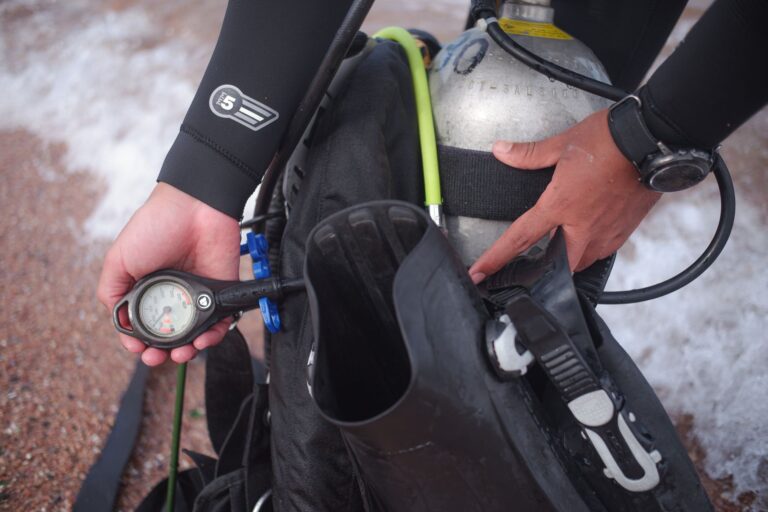
Dive gear is expensive. A full set of regulators, a dive computer, BCD, and wetsuit can easily exceed $3,000. DAN’s equipment coverage is minimal unless you purchase a separate add-on, and even then, limits are lower. DiveAssure includes gear protection in many of their plans, with typical limits of $1,000â$2,000 per item and a deductible. This covers theft, damage in transit, or loss by the airline. A practical tip: check your homeowner’s or renter’s insurance policy first. Some of these policies cover expensive items like dive gear even while traveling. But if not, DiveAssure’s built-in coverage is a clear advantage for divers who own their equipment. If you only rent gear on vacation, this factor is less important. But for equipment-heavy divers, especially underwater photographers, DiveAssure wins here. For divers who travel frequently, a dive computer watch is a practical investment that adds a layer of safety and convenience, and it is worth insuring.
Real-World Claim Experience: What Divers Report About Both
Dive forums and Reddit’s r/scuba community offer useful feedback on both providers. DAN is widely praised for quick, hassle-free claims related to DCI and chamber treatments. Multiple divers report that DAN handled the entire process with the chamber and they never saw a bill. However, some users note slower customer service for non-medical claims like trip cancellation. DiveAssure receives frequent praise for smooth trip cancellation claims. For example, one diver reported getting a full refund for a cancelled liveaboard deposit within two weeks. But there are occasional complaints about reimbursement delays for medical expenses, particularly if the diver had to front the payment. One user shared a story where DiveAssure took several weeks to reimburse a DCI treatment bill. Neither appears better or worse overallâthey are optimized for different claim types. DAN is faster for medical, DiveAssure is faster for trip issues.
Exclusions and Fine Print: What Might Surprise You
Common exclusions can catch divers off guard. For DAN: pre-existing medical conditions are typically excluded. Diving beyond 130 feet (40 meters) may not be covered under standard plans (DAN Explorer is needed). Diving while intoxicated or against medical advice voids coverage. For DiveAssure: diving beyond 40 meters without proper training or certification is excluded. Rebreather diving may require a specific add-on. Alcohol-related incidents are not covered. Both policies require you to dive within your training limits and have valid certifications. A critical practical tip: always be completely truthful during the application process about your health, dive history, and certifications. Lying or omitting information can void the entire policy. Read the fine print for your specific plan. If you plan to do deep technical dives, rebreather dives, or have a chronic health condition, verify coverage with the provider before purchasing.
[IMAGE_3]
DAN Dive Insurance vs DiveAssure: Side-by-Side Summary Table
- Medical Evacuation Payment Model: DAN (Direct pay to chamber) vs DiveAssure (Primarily reimbursement, limited direct pay)
- Trip Cancellation Limits: DAN (Moderate, medical-focused) vs DiveAssure (Higher, broader coverage for weather/closure)
- Gear Coverage: DAN (Minimal, add-on only) vs DiveAssure (Included in many plans, up to $1,500+)
- Annual Cost Range: DAN ($50â175) vs DiveAssure ($100â300)
- Best For: DAN (Medical safety, remote travel, instructors) vs DiveAssure (Expensive trips, gear owners, broader cancellation)
Who Should Choose DAN Dive Insurance?
DAN is the right choice for divers who prioritize medical safety and want the highest level of chamber network access. This includes frequent travelers to remote areas, liveaboard crew members, dive instructors, and anyone who dives in locations where hyperbaric facilities are scarce. If your primary concern is being medically evacuated or treated for DCI without having to pay upfront, DAN is the best option. It is also a good fit for budget-conscious divers who only want core medical coverage without trip cancellation add-ons. DAN has a long-standing reputation in the dive community as the default choice for safety. If this sounds like you, consider purchasing DAN insurance directly from their site.
Who Should Choose DiveAssure?
DiveAssure is best for divers who book expensive, multi-day dive trips such as liveaboards and want comprehensive protection for their financial investment. It is also ideal for divers who own significant dive gearâespecially underwater photographers and equipment-heavy diversâwho need protection against theft or damage. DiveAssure’s broader trip cancellation coverage makes it the stronger choice for anyone booking non-refundable trips where weather or operator closure is a risk. Divers based in Asia or the Pacific may find their regional plans particularly well-suited. If this fits your dive profile, check DiveAssure’s current plans for your next trip.
Final Verdict: Which Insurance Should You Buy?
Both DAN and DiveAssure provide excellent specialized dive insurance, but they serve different primary needs. DAN is the leader for medical evacuation and immediate chamber access. DiveAssure excels at trip cancellation and gear coverage. For many experienced divers, the most practical solution is to hold both. Use DAN for your core medical and evacuation safety net, and add DiveAssure for trip and gear protection when you book expensive trips. The best insurance is the one you have when you need it. Evaluate your diving habits, pick the top priorityâmedical safety or trip financial protectionâand purchase before your next descent. This decision is about protecting both your life and your investment underwater. For your next dive trip, a waterproof dive log book can help you keep track of your dives and ensure your records are in order.